eBay Tracking Says Delivered but Not Received: What It Can Mean and What to Check
 Import Export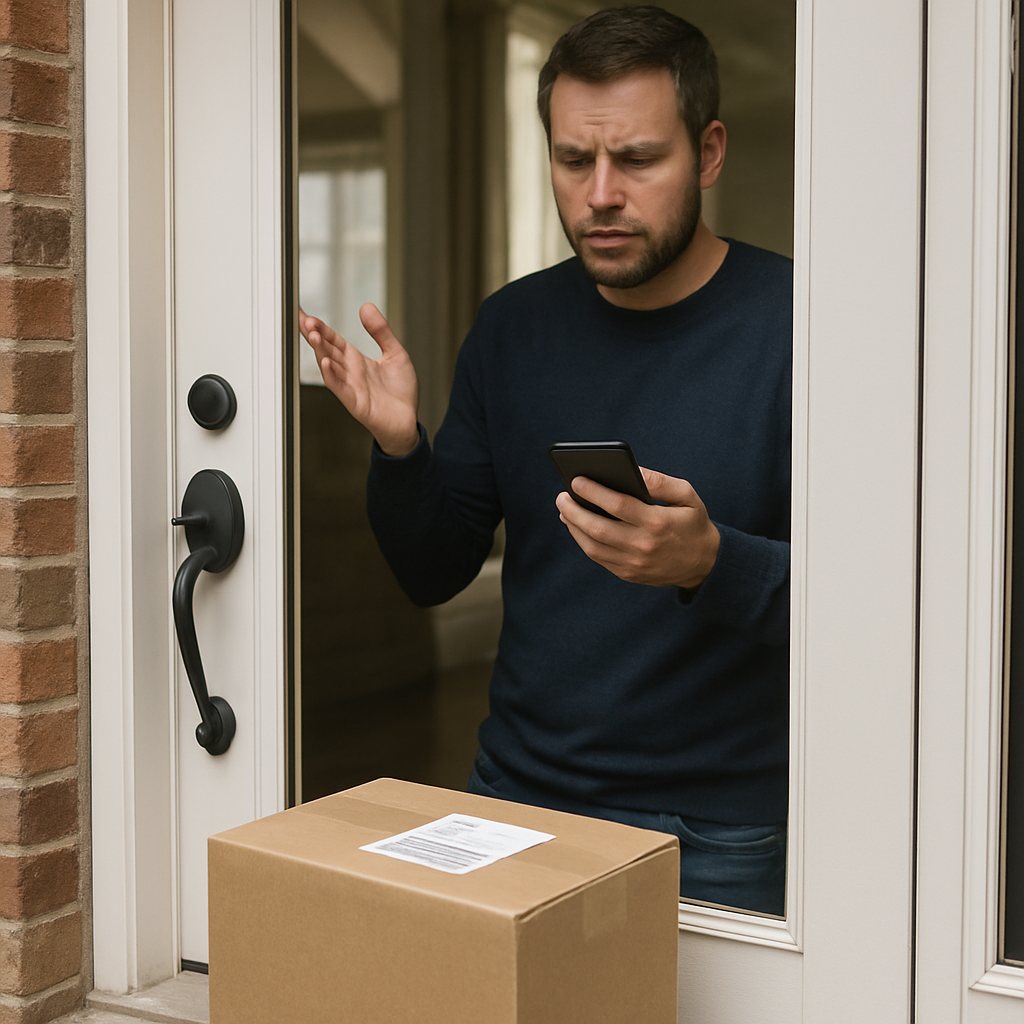
If eBay tracking says delivered but not received, the carrier’s delivered scan and your report that you do not have the item can both exist at the same time. The status alone does not explain the discrepancy or establish what happened to a particular parcel. It records a tracking event; it is not the same thing as confirmed physical receipt by the intended buyer.
Keep the matter neutral until the records have been compared. A delivered scan may be consistent with delivery somewhere other than where you expected, a tracking record that does not match the order, an inconsistency in the shipment timeline, or loss after a delivery event. It may also have another explanation. On the information available, none of those possibilities can be assumed from the status alone.
eBay Tracking Says Delivered, but You Did Not Receive the Package: What That Status Can Mean
An eBay order page can display carrier tracking, while the carrier’s own tracking record can show a delivered event. Those records are important, but they answer a narrower question than many buyers expect: they show what has been entered in the tracking history. They do not, by themselves, identify the person who physically took possession of the item or explain a conflict between the record and the buyer’s experience.
A useful way to assess the situation is to separate three things that are often treated as one:
| Information | What it may show | What it does not settle on its own |
|---|---|---|
| eBay order record | The order, seller, delivery details shown in the transaction, and tracking number associated with it | Whether the intended buyer physically received the parcel |
| Carrier tracking record | A sequence of tracking events, including a delivered scan where shown | Why a buyer reports non-receipt or whether the tracking number belongs to the expected shipment |
| Physical receipt | That the intended buyer has the item | How the carrier or marketplace will assess a disagreement about the order |
This distinction matters when tracking shows delivered but not received. A surprising delivery event is not, without more evidence, proof that the seller shipped late, that the carrier scanned incorrectly, that the order went to a wrong address, or that anybody acted dishonestly.
A Reported Example of a Timeline Conflict
The supplied research includes an eBay Community shipping discussion in which a buyer reported that USPS tracking showed delivered while the seller reportedly said the item had not yet been sent because it was delayed. That is an example of a reported mismatch between a tracking status and the described shipment timeline. It is not official eBay or USPS evidence, and it does not establish that a scan was wrong in any other order.
Likewise, community and search discussions raise possibilities such as a different delivery location, a mismatched tracking number, or a parcel that was no longer present after a delivery event. These are categories to verify, not conclusions to draw. A tracking number that looks unexpected is not, by itself, evidence of fraud.
What to Compare Before Reaching a Conclusion
Preserve the information already attached to the transaction and compare the eBay order record with the carrier’s tracking history. This is sensible record-keeping, not a statement of an eBay claim procedure or an outcome.
- The eBay order number, listing details, and tracking number shown on the order.
- The carrier name and the full sequence of statuses, dates, and times displayed in its tracking record.
- The delivery address information visible in your eBay order record, without publishing personal details unnecessarily.
- The apparent shipment timeline—for example, whether the delivered event appears consistent with the order’s other tracking events.
- Messages and updates connected with the transaction, retained in their original form.
Comparing the original records is more useful than relying on a single status label or a recollection of it. For general context on reading tracking histories, see our guide on how to track and trace a package’s delivery status.
If the carrier is UPS and the available facts specifically point to a possible delivery at the wrong address, our separate guide explains what to do if UPS delivered a package to the wrong address. That is a conditional scenario, not an explanation for every eBay order marked delivered.
What Not to Assume
- Do not assume the seller definitely shipped late.
- Do not assume the carrier definitely made a scanning error.
- Do not assume a wrong-address delivery occurred.
- Do not assume the seller, buyer, carrier, or eBay committed fraud.
- Do not assume eBay will automatically decide the matter for either side because tracking shows delivered.
These cautions protect both buyers and sellers. A delivered scan can be relevant evidence, but the supplied material does not allow a reader to determine the underlying cause in an individual case.
Why the Tracking Record Matters—and What It Cannot Settle by Itself
There is an important difference between having no tracking record and having a tracking record that reports delivery. Tracking creates a record that may be relevant when an item is reported as not received. It does not follow that every delivered scan conclusively proves receipt or that every non-receipt report defeats the record.
The available evidence supports only a narrow point about the no-tracking situation. In an eBay Community mentor discussion about shipping without a tracking number, a contributor stated that a seller who ships outside eBay without tracking would have no seller protection against an item-not-received claim. This is a community-source statement about a no-tracking scenario. It is not an official eBay policy, and it does not establish that delivered tracking automatically gives a seller protection or automatically defeats a buyer’s claim.
In practical terms, the presence of a tracking number means there is a record to examine. The supplied sources do not establish how eBay weighs a delivered scan against other information, which additional evidence it accepts, or which party ultimately prevails in a particular disagreement.
Will eBay Refund a Buyer When Tracking Shows Delivered?
The supplied research does not support a reliable yes-or-no answer. It contains community discussions rather than current official eBay buyer-protection, Money Back Guarantee, refund, appeal, or item-not-received policy. A delivered scan should therefore not be represented as automatically deciding every dispute, but neither should a refund be promised.
For an order that may require formal action, check the current official eBay information available in your account and the current carrier information for that shipment. Rules, evidence requirements, available options, and deadlines can change. This article deliberately does not give a case-opening deadline, escalation path, appeal route, carrier-investigation timeframe, or proof-of-delivery rule because none is established by the supplied official evidence.
Delivered Status and Estimated Delivery Are Different Things
An estimated delivery date and a delivered tracking event are different concepts. An estimate concerns when an order may arrive; a delivered scan is an event recorded in tracking. A conflict involving a delivered status should not be treated as a measure of the accuracy of eBay’s estimated-delivery feature.
No source supplied for this article explains how eBay calculates estimated delivery, gives an accuracy rate, or states a guarantee. It would therefore be unsafe to quantify how accurate eBay estimates are or to infer a policy outcome from the estimate.
Bottom Line
When an eBay tracking number says delivered but the item was not received, start by treating it as a discrepancy to document and verify. Preserve the order and tracking details, compare the eBay and carrier records, and distinguish the delivered scan from confirmed possession by the intended buyer. The available evidence supports that careful distinction, but it does not establish a universal cause, a guaranteed refund, or an automatic outcome for either party.