How to Track and Trace Delivery Status for USPS, International, and DHL Packages
 Import Export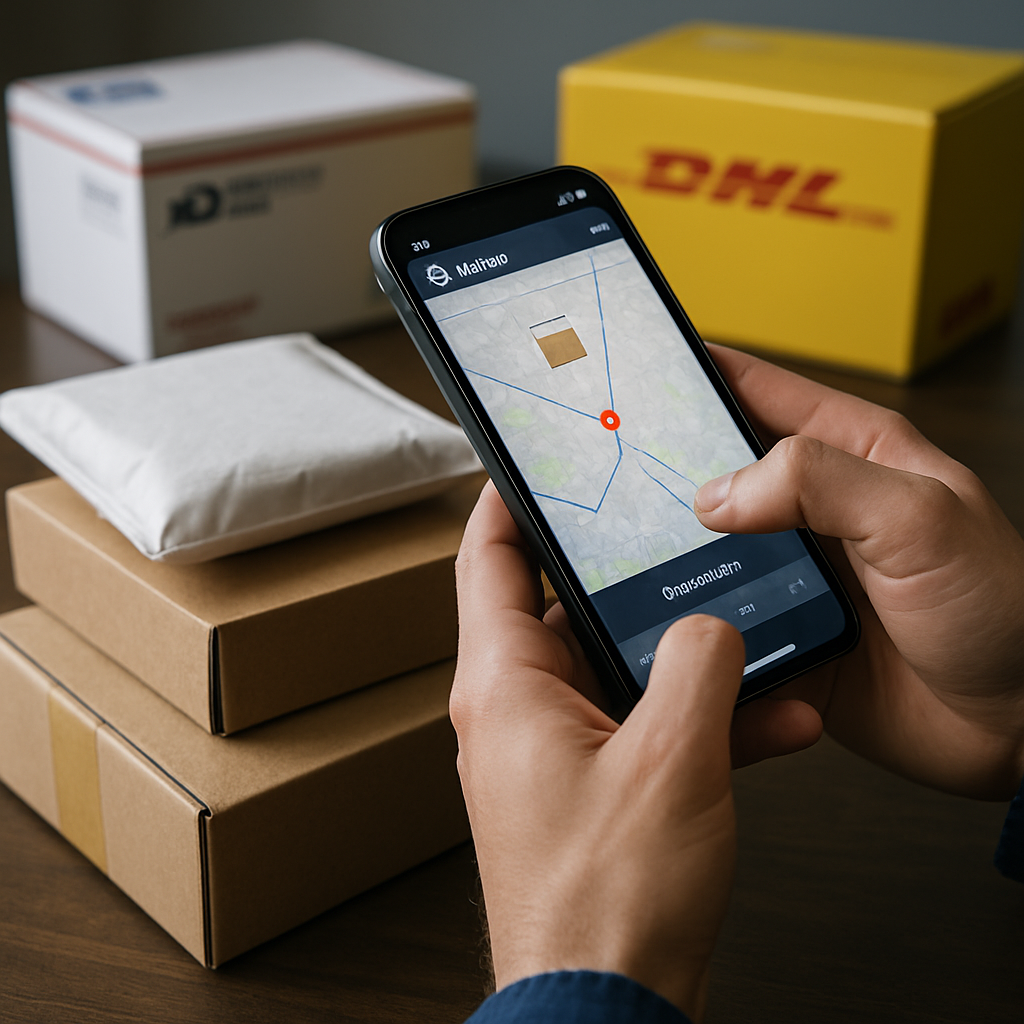
Want to know where your package is right now? Tracking and tracing delivery status is simple when you know which tools to use and what information you'll need. Whether you're shipping locally with USPS, awaiting an international delivery, or sending parcels with DHL, you can monitor every step—from origin to destination—using reliable online systems and live tracking maps. Here’s how you can find your package’s current status, discover which carrier is handling your shipment, and see real-time progress updates with just a tracking number or order ID.
How Do You Track and Trace Delivery Status for USPS, DHL, and International Carriers?
To track and trace delivery status for shipments from USPS, DHL, and most international carriers, simply enter your tracking number into the official or a reputable third-party tracking website. These services instantly display your package’s current location, status updates, estimated delivery, and any shipping exceptions.
USPS provides an online tracking tool where you can view comprehensive shipping updates for domestic and international shipments. You need your tracking number, which you’ll find in the shipping confirmation or receipt.
For DHL shipments, using their dedicated tracking page allows you to input one or multiple tracking numbers at once. You’ll get real-time info on when your parcel is received, in transit, out for delivery, or delivered.
If your package is being handled internationally or by a carrier you’re unsure about, use a consolidated service such as AfterShip or ParcelsApp. These tools automatically detect the carrier based on your tracking number and fetch all available status updates across USPS, DHL, and hundreds of global logistics companies.
How Can You Find the Carrier Just by Entering a Tracking Number?
You can identify which shipping company is responsible for your package by entering your tracking number into a universal tracking portal. These websites recognize unique number formats linked to each carrier and will show you who is handling your shipment.
Sites such as AfterShip intelligently analyze your tracking number’s sequence and match it to the correct logistics provider automatically. That eliminates the hassle of guessing whether USPS, DHL, or another courier is delivering your package.
This process works seamlessly for both domestic and international shipments, making it easy to know exactly which company is accountable for transporting your parcel at any given moment. If you want links back to the official tracking page, ParcelsApp not only identifies the carrier but also gives you direct access to their official tracking updates.
Once you know the carrier, you can sign up for update alerts, see transit locations, and anticipate possible delivery delays right from the carrier’s main dashboard.
What Are the Steps for Monitoring International Package Status Updates?
Tracking international shipments follows a similar process but sometimes requires a bit more patience, especially during customs clearance. Start by copying your Air Waybill or tracking number from your shipping receipt or email notification. Enter it into a global tracking tool like AfterShip or the carrier's own website.
Your first update will usually show when the carrier received your package in the country of origin. As it moves through customs and transfer points, each step—"in transit," "customs clearance," and "out for delivery"—generates new status updates you can monitor online.
Many international tracking services also email you automatically when status changes, including attempted deliveries or customs issues, ensuring you never miss an important update. According to ParcelsApp, you also receive detailed event histories and delivery time estimates to improve your planning and give you peace of mind about your package's journey worldwide.
If any complications arise (like delays in customs), reaching out directly to the carrier using their official tracking platform with your reference number speeds up resolution.
How Do Live Package Tracking Maps Work, and What Do They Show?
Live package tracking maps use GPS and carrier data to show your package's current location and recent journey in real time. When you input a tracking number into supported services, you’ll see visual indicators for checkpoints, routes, and delivery progress.
While not every carrier provides a literal "live" map, many platforms like AfterShip supplement standard status updates with a visual timeline, plotted route, or at-a-glance progress line so you know when your shipment was dispatched, cleared customs, or went out for local delivery.
DHL and other major couriers may provide a unique "live tracking" view for high-value or time-sensitive shipments. This can display the driver’s location and estimated arrival time when your package is out for delivery in the USA.
The result? You get an up-to-date understanding of exactly where your package is—and when it should reach your doorstep—without uncertainty or repeated manual checks.
Can You Track Shipments Using Just an Order Number?
In many cases, you can track your shipment using your order number, but most carriers and tracking services still require the official tracking number for the most accurate, detailed results. Some online retailers, such as Amazon or eBay, link your order number directly to all active shipments, allowing you to follow the parcel’s progress within your customer dashboard.
If you don’t have the tracking number handy, try logging into your account with the merchant or contacting their customer service for tracking details specific to your order. Retailers often include carrier and tracking info in order confirmation or shipping emails.
Once you’ve obtained the tracking number associated with your order, you can enter it into comprehensive platforms such as DHL's official tracking page or worldwide aggregators like ParcelsApp to get the most accurate, real-time updates on your delivery’s location and status.
Remember, your order number is your starting point. But for full logistical transparency, always fetch the tracking ID from the seller or retailer.
With the right tools, tracking and tracing delivery status for any USPS, international, or DHL shipment is straightforward—just grab your tracking number, choose a reliable platform, and stay updated as your package travels from sender to doorstep.

One thought on “How to Track and Trace Delivery Status for USPS, International, and DHL Packages”