What Drives Australian Beef Imports to the US? Prices, Tariffs, and Appetite for Exports
 Import Export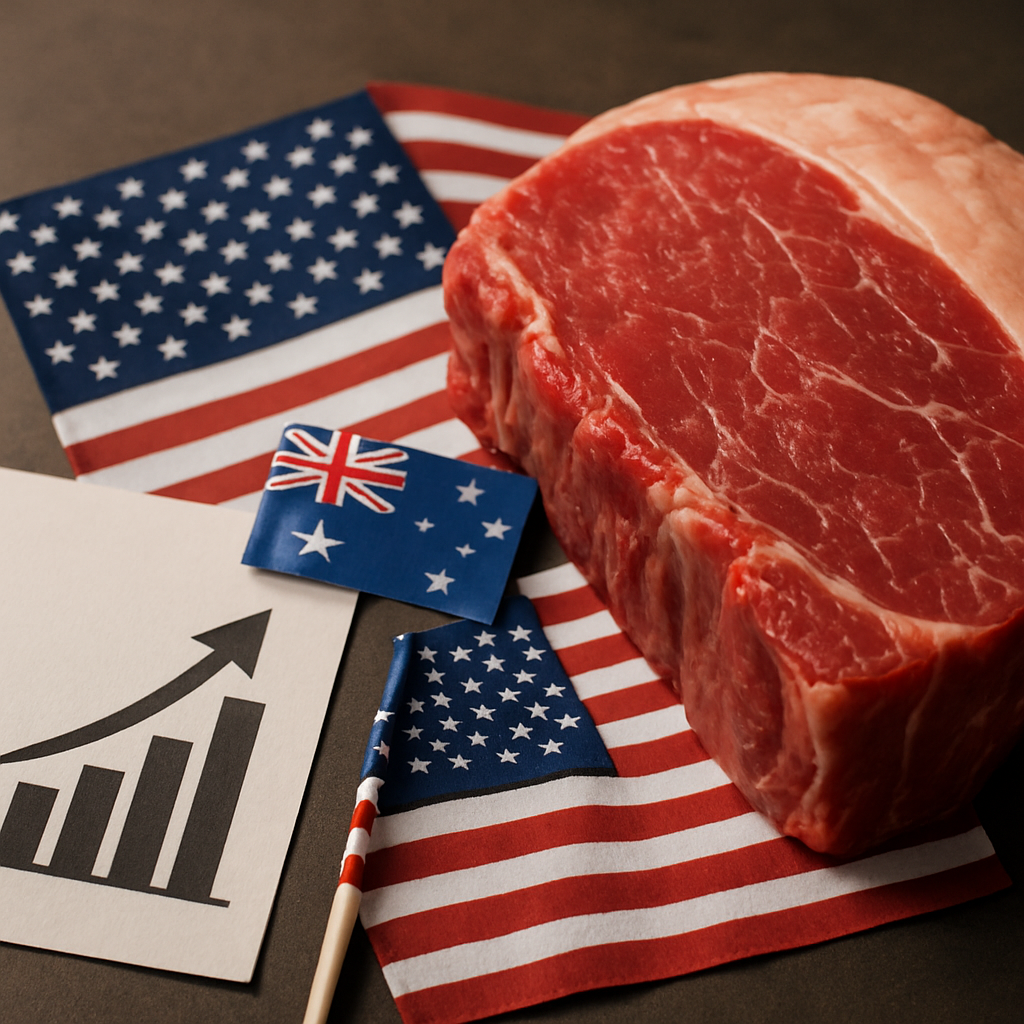
If you have noticed more Australian beef options at your local grocery store or on restaurant menus, you are not alone. The United States relies on Australian beef imports to balance domestic supply and demand, respond to price pressures, and diversify choices for American consumers. Driven by trade policy, tariffs, and shifting global markets, this trend impacts not only what you pay for steak or burgers but also the ranchers and exporters on both sides of the Pacific.
Why Does the US Import So Much Australian Beef?
America brings in large quantities of beef from Australia to support consumer demand, ensure product variety, and stabilize prices when domestic supplies tighten. Australia ranks as one of the world's top beef exporters, and its grass-fed cattle meet specific preferences in the American foodservice sector.
Events such as droughts, disease outbreaks, or trade restrictions can quickly alter the supply of U.S.-produced beef. For example, Australia helps fill gaps when American producers struggle to meet demand. Additionally, many U.S. consumers favor leaner, grass-fed beef from Australia for both taste and perceived health benefits. The economic relationship between the two countries ensures steady trade even through market turbulence.
Australian exporters also take advantage of the large U.S. market, especially during periods when other countries like China enact restrictions on Australian beef. This symbiotic relationship helps moderate retail price swings and supports menu variety.
How Do Tariffs and Trade Agreements Affect Australian Beef Prices in America?
Tariffs and quotas significantly shape the volume and cost of beef imported from Australia. While the U.S. maintains some tariffs to protect its cattle industry, trade agreements often give Australia an advantage compared to other beef-exporting nations.
Australia benefits from lower tariff rates than competitors like Brazil, especially when new restrictions are imposed on other countries. These preferential rates are negotiated in bilateral trade agreements and have a direct impact on supermarket and restaurant prices in America. For instance, with Brazilian beef facing steep tariffs, Australian product can enter the market affordably, often keeping consumer costs in check even when domestic prices rise.
However, the tariff system is updated frequently. Changes can occur when one country feels its meat industry is threatened or when international policy shifts. Australian exporters need to remain agile in response to these evolving obstacles and opportunities.
For American consumers, the complex web of tariffs, quotas, and free trade agreements can mean more budget-friendly beef one month and higher prices the next, depending on the global policy landscape.
How Do U.S. and Australian Beef Taste and Compare in Quality?
People often notice that Australian and U.S. beef offer different flavor profiles and textures. Australian beef is largely grass-fed, which yields a leaner cut and a more pronounced, earthy taste. U.S. beef is mostly grain-fed, giving it higher marbling, richer flavor, and extra tenderness that American consumers typically expect.
Some chefs and retailers choose Australian beef for menu items that highlight lean, clean flavors, while others stick with American beef for classic steaks and burgers. This diversity lets consumers pick what suits their palate best.
The different feeding and production systems also impact cost, as grass-fed operations have different overheads than feedlots. Ultimately, both countries produce excellent, safe beef—but each offers something distinct for the American diner.
How Have Recent Trade Developments Changed the Australian Beef Export Landscape?
Australian beef exports to the U.S. have grown sharply in percentage terms. In 2024, the U.S. received over 30% of all Australian beef exports, up from 17% in 2022. This surge comes as exporters look to diversify after China imposed restrictions in 2020, forcing Australia to seek new or expanded markets quickly.
This export pivot was not accidental. Australia and the U.S. have negotiated improved market access, with notable changes following lobbying and tariff policy reforms. For two decades, Australia exported large quantities of beef to the U.S. without much reciprocal access for American beef exporters, a point of political friction until recent years. Following action by the U.S. government, 2025 marked a shift as Australia agreed to accept more American beef, restoring a measure of trade balance. You can read more about these developments in the policy achievements secured by U.S. negotiators.
Trade disputes and health restrictions, such as concerns about disease outbreaks, still occasionally disrupt this flow, but the general trend is toward increased, diversified exports from Australia to the United States. For a detailed look at export statistics, the United States Studies Centre offers insight into recent numbers.
What Does the Future Hold for Australian Beef in the U.S. Market?
The American appetite for Australian beef is expected to keep rising, particularly as long as tariff advantages are in place and consumer demand for diverse beef products grows. Both countries are working to strengthen the consistency and traceability of supply, with Australia well-positioned to fill any domestic shortfall for American processors and retailers. Ongoing market access negotiations could further shape upcoming trends.
With evolving food preferences—such as increased interest in grass-fed and leaner choices—and the potential for more two-way trade, Australia's foothold in the U.S. beef market is likely to expand. Tariffs and trade policies, however, can shift abruptly, keeping the industry watchful for changes in either direction.
For those invested in beef prices, whether as a retailer, chef, or everyday shopper, keeping an eye on global policy changes and evolving market dynamics will remain essential as Australian beef continues to play a bigger role on U.S. plates.
Australian beef imports will keep shaping American options, tastes, and prices—offering both challenges and opportunities on both sides of the export equation.


One thought on “What Drives Australian Beef Imports to the US? Prices, Tariffs, and Appetite for Exports”