Can You Buy Directly from Chinese Manufacturers? How It Works, Costs, and Tariffs
 Import Export
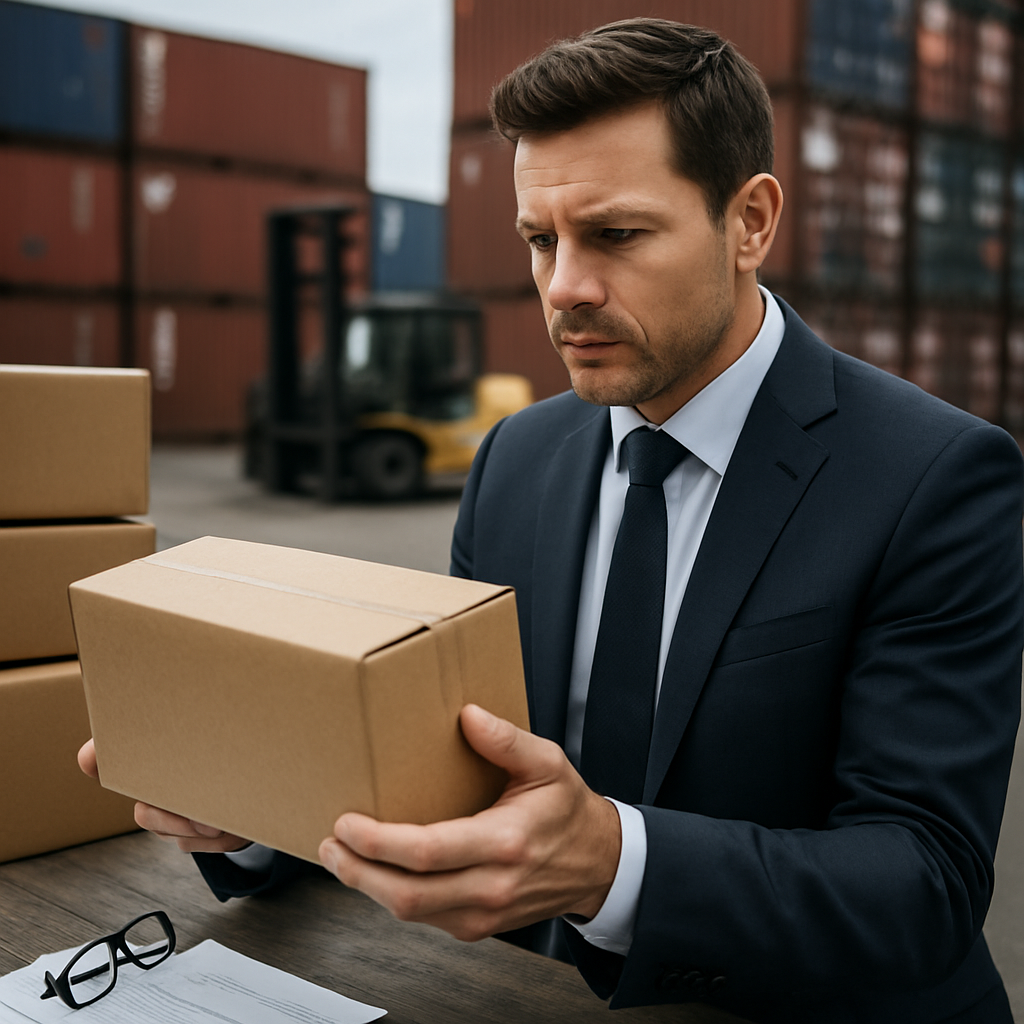
Yes — you can buy directly from Chinese manufacturers, but in practice that can mean a few different things: contacting a factory yourself, buying through a B2B marketplace that lists manufacturers and suppliers, or using a sourcing agent to place the order on your behalf. It is usually easier for wholesale or business purchases than for one-off consumer buying, and it does not automatically remove duties, VAT/GST, or compliance checks.
If you are trying to reduce costs or source products at factory pricing, the key is to understand what “direct” actually means, which platform or route you are using, and what import charges and documentation may still apply.
Can You Buy Directly from Chinese Manufacturers?
Yes, you can buy directly from Chinese manufacturers, but “directly” is often used loosely. A buyer might mean one of three things:
- Direct factory contact: You find the manufacturer yourself, negotiate terms, and buy from the factory without a middleman.
- Platform-assisted buying: You use a marketplace or supplier directory to find a manufacturer or seller, then place the order through that platform.
- Sourcing-agent buying: A sourcing agent in China finds the supplier, negotiates, pays locally, and arranges shipping in your name.
That distinction matters because a listing on a marketplace does not automatically prove that you are buying from a true factory. Some sellers are manufacturers, some are traders, and some are simply platform sellers acting as intermediaries. A useful overview of this practical buying model is covered in this guide to buying directly from Chinese factories, which explains why factory-direct sourcing can reduce costs in some cases but also requires more careful supplier checking.
The main benefit of buying direct is that you may gain better pricing, more control over specifications, and a closer relationship with the source of production. The downside is that you also take on more responsibility: verifying the supplier, checking product quality, confirming payment terms, and handling shipping and customs correctly.
Where to Buy Direct from Chinese Manufacturers
Most buyers do not start with a random factory website. They usually begin with a B2B marketplace, supplier directory, or sourcing service and then work backwards to the actual manufacturer.
Alibaba
Alibaba is one of the best-known B2B marketplaces for finding Chinese suppliers. It is useful for discovering manufacturers, requesting quotes, comparing offers, and starting discussions about samples and production. However, being listed on Alibaba does not prove a supplier is a verified factory or that the listing is a guaranteed manufacturer-direct relationship. As one practical import guide notes, platform verification can be limited, so buyers should not assume a listed supplier is automatically trustworthy.
AliExpress
AliExpress is more consumer-facing. It allows buyers to purchase products from Chinese sellers online, often in smaller quantities, but it is not the same as buying directly from a factory. In other words, you can buy China-direct online through AliExpress, yet the seller may be a trader or reseller rather than the actual manufacturer. If you are comparing small-order convenience with landed cost, it is worth reading about AliExpress shipping costs and duties before assuming the advertised price is the final price.
DHgate
DHgate also appears in many searches about buying direct from China. Like other marketplaces, it belongs in the platform category rather than the “proof of factory-direct sourcing” category. It can be a useful place to compare listings, test product demand, or buy in smaller volumes, but buyers should still check who the seller is, what quantity they can supply, and whether the listing is from a manufacturer or a trading company.
China wholesale supplier lists and directories
Searches for a “China wholesale suppliers list” usually mean the buyer wants a practical starting point rather than theory. These lists can help you build a shortlist of suppliers, but they should be treated as starting leads, not proof of quality. The real work begins after you contact the supplier, request a quotation, and verify the business.
Buying from China as a U.S. buyer
If you are in the USA, you can absolutely buy from Chinese manufacturers online. The main difference is that you must account for customs clearance, import duties, shipping time, and product-specific compliance. Buying direct does not make those obligations disappear. For U.S.-bound imports, it is also sensible to check whether the product is subject to special duties or trade measures. A general reference on trade controls and customs implications is this overview of trade with China.
How to Purchase Directly from Chinese Manufacturers
The purchasing process is more structured than many first-time buyers expect. A direct order usually follows this sequence:
- Identify possible suppliers through Alibaba, AliExpress, DHgate, a supplier directory, a trade fair, or a sourcing agent.
- Contact the supplier and ask whether they are the manufacturer, a trading company, or a distributor.
- Request a quotation based on the exact product specification, quantity, packaging, and delivery terms.
- Check samples before committing to a larger order.
- Negotiate terms such as MOQ, lead time, price breaks, payment schedule, and shipping method.
- Place the order and confirm production details in writing.
- Arrange shipping and customs using the correct transport mode, HS code classification, and import paperwork.
If you are dealing with a factory for the first time, do not skip the sample stage. A sample lets you check product quality, packaging, finish, functionality, and consistency before you commit to a production run. It is also the right time to confirm whether the supplier can actually meet your specification, not just quote it.
What to ask before you order
To avoid misunderstandings, ask the supplier for the following before you pay:
- Minimum order quantity (MOQ)
- Unit price at different volumes
- Sample cost and sample lead time
- Production lead time
- Packaging options
- Shipping options
- Payment terms
- Quality-control process
- Whether they can provide documentation you need for customs or compliance
These are the practical questions that separate a workable supply relationship from a risky one. In many cases, direct buying succeeds or fails at this stage, not on the checkout page.
How to verify a supplier
Supplier verification is essential. Platform verification alone is not enough, because a marketplace may confirm that a business exists without confirming that the seller is reliable or that every listing is genuine. A practical import guide from ChineseCheck on importing from China notes that Alibaba verification is minimal and should not be treated as a full trust signal.
Useful checks include:
- Confirming the company registration details
- Checking whether the supplier actually manufactures the product
- Asking for product photos, videos, and factory information
- Requesting samples
- Reviewing whether the supplier can meet your packaging and labelling requirements
- Checking whether the supplier responds clearly and consistently
If the supplier is vague about production capability, avoids sample requests, or changes the quotation repeatedly, treat that as a warning sign.
Using a sourcing agent
A sourcing agent can be useful if you want help finding suppliers, paying in local currency, communicating with factories, or arranging consolidation and shipping. This is still a form of direct buying in commercial terms, but it reduces the friction of dealing with language, payment, and logistics issues. A sourcing-agency model is described in this explanation of buying products from China through a sourcing agent, where the agent places orders in the buyer’s name and handles RMB payment and shipment arrangements.
That can be especially helpful if you are sourcing multiple products from different factories or if you want someone on the ground to coordinate quality control and export paperwork.
Do You Have to Pay Tariffs If You Order Something from China?
Usually, yes — buying direct from a Chinese manufacturer does not automatically avoid tariffs or import taxes. The amount you pay depends on your destination country, the product’s classification, the customs value, and any extra trade measures that apply to that product.
In practical terms, your landed cost may include:
- Import duty or tariff
- VAT, GST, or sales tax
- Brokerage or clearance charges
- Freight and insurance
- Special duties or trade remedies in some cases
Duty is typically calculated using the customs value of the goods, and that value is affected by the transaction details and the terms of sale. Country of origin also matters because it can affect whether special duties apply. For a deeper explanation of the difference between duty and tariff, see our guide to duty versus tariff.
For the United States in particular, special measures can apply to certain imports from China, so a low factory price does not necessarily mean a low landed cost. A product that looks cheap at source can become expensive after freight, customs charges, and duties are added.
Why the final cost can be higher than expected
Many first-time buyers compare only the factory price and then get caught by the total landed cost. That is a common mistake. Shipping, insurance, import duty, VAT or sales tax, and customs processing can materially change the final price. If you are buying through a marketplace, shipping costs can also vary a lot depending on item size, service level, and customs treatment.
What You Need to Check Before Importing from China
Not every product can be imported freely, even if a factory is willing to sell it. Some goods are prohibited, some are restricted, and some require extra documentation, certification, inspection, or labelling before they can be cleared.
Before you buy, check whether your product needs any of the following:
- Import licence or permit
- Product certification
- Safety testing
- Inspection or quarantine clearance
- Special labelling or mark requirements
- End-use or end-user documentation
Official guidance on prohibited and restricted imports into China is available from Trade.gov’s country commercial guide, and general China export-control developments are discussed in this 2026 regulatory update. Those sources are useful reminders that trade rules can affect what can be shipped, what paperwork is needed, and how much scrutiny a shipment may face.
For some goods, compliance is the deciding factor in whether direct buying is even practical. A supplier may be willing to sell, but your shipment can still be delayed, examined, or refused if the paperwork is incomplete or the product is not compliant in the destination market.
U.S. buyers should pay special attention
If you are importing into the United States, be aware that some product categories face additional scrutiny, duties, or restrictions. The relevant issue is not just whether the item is made in China; it is whether it is allowed into the U.S. market, whether it is correctly classified, and whether it meets the applicable product rules.
That is why direct sourcing should always be paired with customs and compliance planning. In practice, the supplier, freight forwarder, and customs broker may all need to work together to keep the shipment moving.
Can You Buy Products Directly from China Without a Middleman?
Yes, you can, but the answer depends on how much work you want to handle yourself. Buying without a middleman is possible if you can identify the manufacturer, communicate effectively, verify the business, negotiate terms, and manage shipment and customs. For larger or more complex orders, many buyers still use a sourcing agent or freight forwarder because the operational burden is lower and the risk of mistakes is reduced.
That said, “without a middleman” does not always mean “without help”. You may still use a customs broker, freight forwarder, inspection service, or factory paperwork agent. The key difference is that you are trying to source closer to the factory rather than relying on a retail reseller.
Practical Tips to Reduce Risk When Buying Direct
- Do not rely on price alone. The cheapest quote is not always the best deal if quality, packaging, or delivery are unreliable.
- Always compare landed cost. Include freight, duty, taxes, and clearance charges.
- Use samples early. Do not place a large order before checking the product.
- Get everything in writing. Product specs, quantity, packaging, lead time, and payment terms should be clear.
- Check compliance first. Make sure the product can be imported into your country.
- Confirm origin and labels. If product origin or packaging matters, do not guess — ask for the right documentation.
If you are dealing with cartons, outer packaging, or warehouse handling, it can also help to understand shipping mark requirements, because the markings on the goods can matter for identification and customs handling.
When Direct Buying Makes the Most Sense
Buying directly from Chinese manufacturers tends to make the most sense when you are:
- Ordering wholesale quantities
- Customising product specifications
- Trying to reduce unit cost on repeat orders
- Willing to spend time verifying suppliers
- Prepared to handle customs, shipping, and compliance properly
It makes less sense if you only want one small item quickly and do not want to deal with import paperwork, duties, or shipping delays. In those cases, a marketplace purchase may be easier, even if it is not truly factory-direct.
If you are comparing shipping options into the U.S., it may also help to read about shipping routes from China to the USA, because transit time and cost can change the economics of a direct purchase quite a lot.
Bottom Line
So, can you buy directly from Chinese manufacturers? Yes — but the practical answer is more nuanced than a simple yes or no. You can buy directly through factory contact, B2B platforms, or sourcing agents, but you still need to verify the supplier, compare landed cost, and check import rules before you order.
Direct buying can reduce costs and improve control, but it does not remove duties, taxes, or compliance obligations. If you approach it as a sourcing project rather than a quick online checkout, it can work very well. If you treat it like ordinary retail shopping, it can become expensive and risky very quickly.