What Is the List of Canadian Tariffs on US Goods and How Does It Impact Online Makers?
 Import Export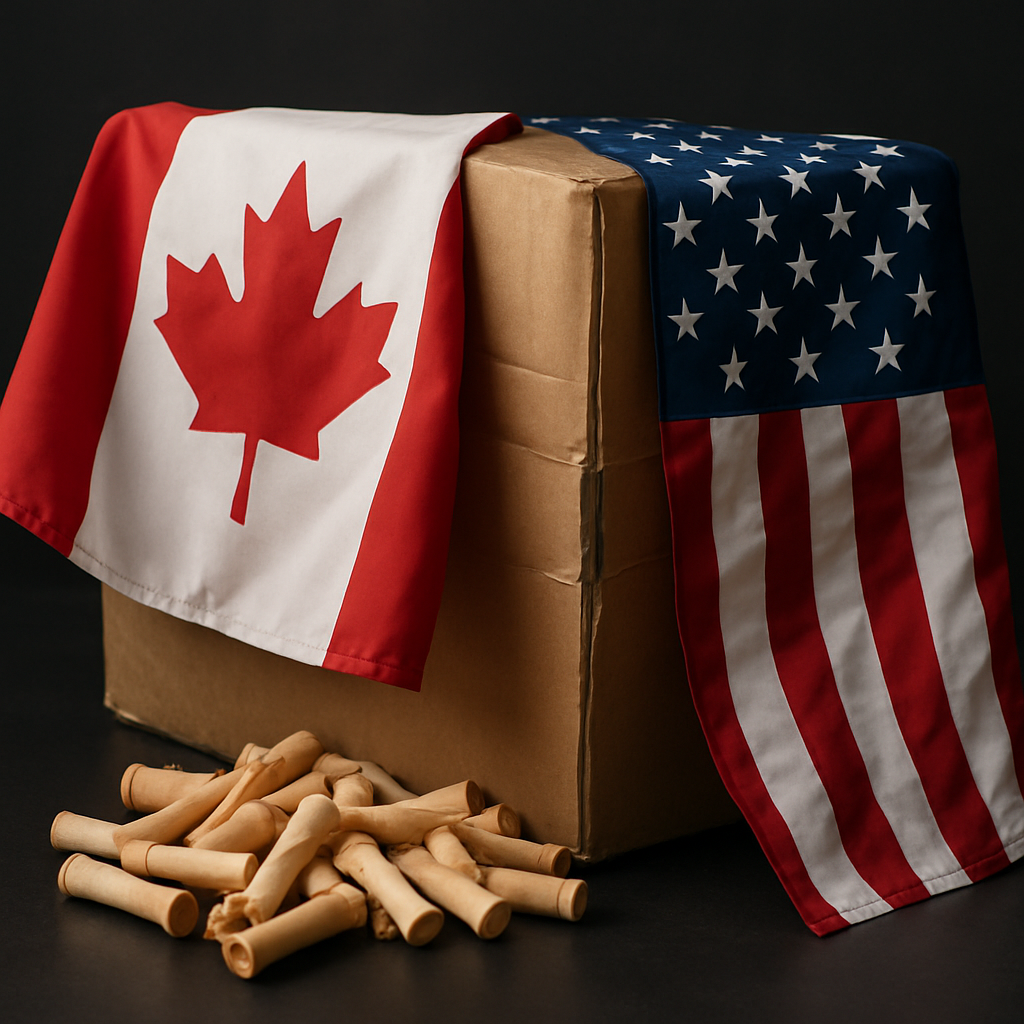
Canada has imposed a strategic set of tariffs on a variety of United States goods in direct response to ongoing trade disputes. These tariffs, ranging from 15% to 50% based on product category, specifically impact industries such as steel, dairy, electronics, and appliances. If you trade with or source materials from the US, you need to understand these tariffs—they directly affect pricing, availability, and supply chain decisions from top manufacturers to individual online makers.
How Does the Tariff List Affect Online Tools and Services?
For entrepreneurs and businesses using platforms such as list makers or online list apps, the Canadian tariffs mainly impact your hardware and equipment sourcing rather than digital services. Devices like laptops, tablets, and monitors imported from the US can be subject to up to 15% tariffs, which raises the cost of operating an online business from Canada. However, most cloud-based services—including Microsoft and Google productivity suites—aren't directly affected, as these are primarily digital goods delivered over the internet, often taxed differently than physical imports.
That said, if you import physical servers or networking hardware from the US for your app or website, those products could fall under electronics tariffs. For tool creators and software developers, keeping an eye on these categories is smart business. According to statements from the Canadian Department of Finance, tariffs are carefully targeted to both match US rates and impact politically sensitive industries. For a recent breakdown of specific goods and their rates, review the list of affected products published by the Finance Ministry.
Beyond hardware, be aware that some prepared foods, plastics, and even clothing are included—so if your side business sells custom-branded swag or edible treats sourced from the US, these tariffs may affect your costs.
What Are the Main Categories of US Goods Hit by Canadian Tariffs?
The tariffs cover a wide range of US exports entering Canada. Major product groups include steel and aluminum products (like pipes, sheets, and wire), appliances (such as refrigerators and washing machines), electronics (including televisions and computer components), some prepared foods, dairy items, and pulp and paper products. For example, a US-made refrigerator could face a 25% duty, while smartphones or other small electronics might see 15% added to their landed cost.
Canada also added highly targeted tariffs on copper wire, wood charcoal, and certain furniture and clothing items, with some categories seeing duties as high as 50%. The goal is to apply economic pressure while minimizing disruption for Canadian consumers. This move comes after the US applied its own tariffs to Canadian products such as wine and honey, as reported in recent coverage on seafood exemptions.
While digital goods generally avoid these listings, any physical products needed for list making—like branded notebooks, pens, or display boards—could see increased import duties depending on their US origin.
Industries most affected range from industrial manufacturing and agriculture, to consumer goods and electronics. Some US states and businesses are hit harder, as the targeted lists are designed to cause political and economic impact.
Why Did Canada Implement Tariffs on US Imports?
The tariffs didn’t appear overnight. Canada introduced these retaliatory tariffs after the United States imposed restrictions and duties on various Canadian items, including aluminum, steel, and other consumer goods. Canada’s response was to mirror US measures dollar-for-dollar and rate-for-rate, aiming to keep the playing field even.
These countermeasures were focused to defend Canadian trade interests and encourage negotiations. According to Canadian officials, the tariffs are specifically aimed at products and industries that hold significant weight in select US states, leveraging economic influence to bring the US to the discussion table. Coverage of how Canada crafted its approach to maximize pressure while respecting supply chain needs can be found in reports such as Canada's announcement of its $20 billion retaliatory package.
Canada has occasionally modified its list of tariffed goods in response to changes in US trade policy, removing or adding products to maximize strategic effect—for example, seafood was recently exempted after sector lobbying and revised US measures.
Can You Access an Official List of These Tariffs for Reference or Planning?
Absolutely, formal documentation from the Canadian Department of Finance details the exact items, including tariff codes and rates. These resources help businesses, online makers, and app developers quickly identify which imported goods will cost more due to these measures. For anyone working on cross-border sourcing or just curious about which products are targeted, the Finance Ministry keeps an updated list accessible to the public by publishing product codes and rates directly online. Consult these records before making large inventory or equipment purchases.
If you're seeking a digital or app-based approach to tracking tariffs, some list makers or spreadsheet platforms can import this data for easier inventory and cost control. Tools like Google Sheets or Microsoft Excel—combined with official tariff lists—let you categorize and filter affected items for your business decisions.
What Strategies Help Online Makers and App Developers Minimize Tariff Impact?
Smart sourcing and detailed planning are your allies. If you're an online list maker or operate an e-commerce business, consider diversifying your supply chain to include Canadian-made or third-country alternatives, protecting your margins from sudden cost spikes due to tariffs. Before switching vendors, use tools such as Google Sheets to analyze landed costs for each supplier after tariffs. This provides clear insight before you move your business elsewhere.
Many entrepreneurs also work directly with manufacturers or wholesalers in countries unaffected by the Canada-US trade dispute. When physical imports are unavoidable, negotiate bulk shipping or look for local Canadian distributors who have already dealt with tariff clearance. For digital-focused companies, rely more heavily on cloud services and virtual tools, which bypass tariff complications altogether.
Staying updated with official communications and sector news is essential. Regularly consult the latest information from the Department of Finance to adapt quickly and keep your business profitable, whether you’re managing a simple inventory list or running a large Microsoft-powered web app.
Understanding how these tariffs work puts you ahead of costly surprises and keeps your business plans sharp in a shifting trade climate.