What Do Trump's Duty Free Beef Imports Mean for Affordable American Ground Prices?
 Import Export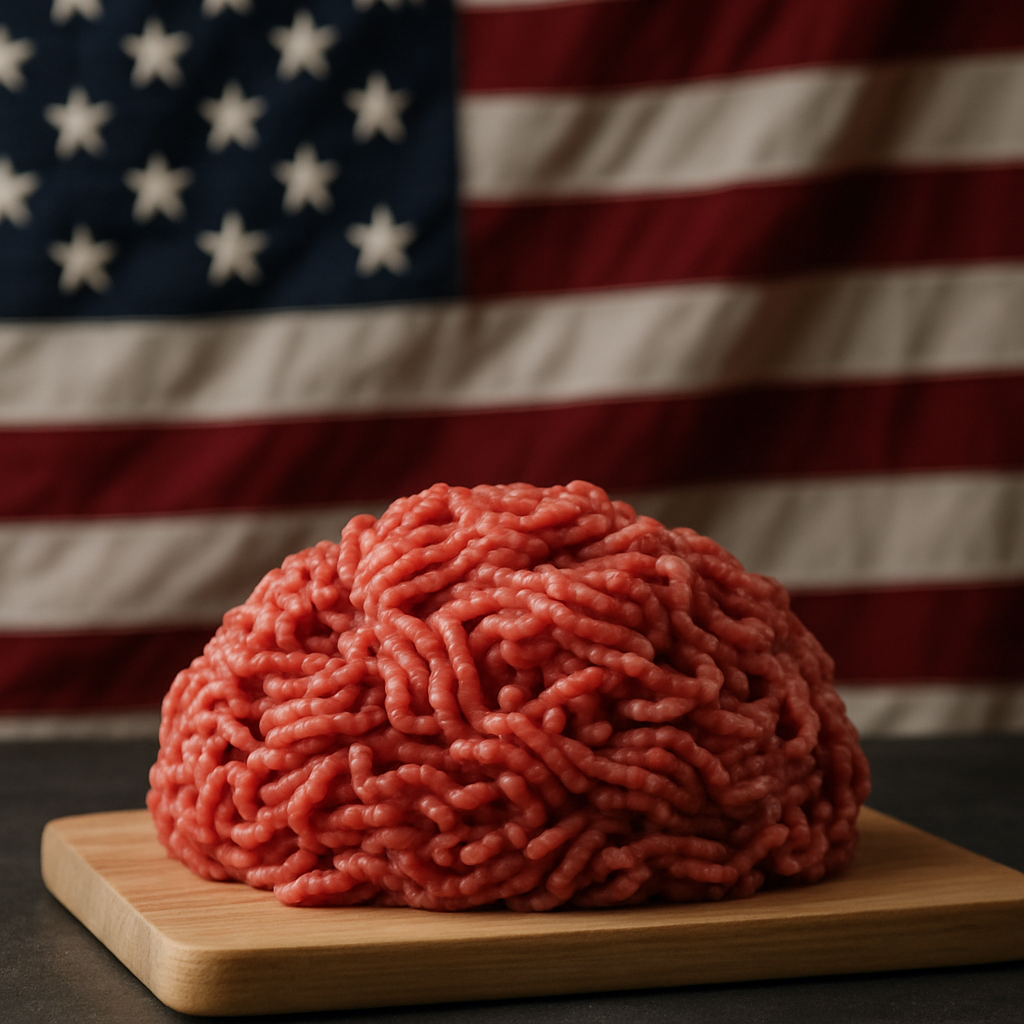
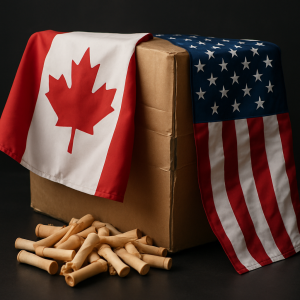
Trump's 90-day suspension of beef tariffs lets up to 300,000 metric tons of foreign lean beef enter the US duty-free, promising retail beef prices up to 25% below current market rates. In theory, that's designed to lower costs for American families battling soaring grocery bills. But the real-world effects are more complicated, and the move has ignited fierce debate among ranchers, consumers, and industry leaders alike.
Which Beef Products Are Covered by the Tariff-Free Import Policy?
The executive order targets primarily lean ground beef trimmings—components most often blended into grocery store ground beef. These imports, largely from countries like Australia and New Zealand, avoid the previous 26.4% tariff, which would normally make imported beef less competitive on US shelves. While this 90-day exemption is substantial in quantity, it applies only to specified beef cuts, especially those used to make affordably priced ground beef for retail.
By focusing on lean trimmings, the administration aims to fill a shortfall in the domestic supply and relieve upward pressure on prices. Major steak and roast cuts are not part of this exemption and continue to be subject to standard import tariffs. The selection is designed to benefit consumers but also exposes domestic beef producers to new competition.
Despite the targeted nature of the imports, ranchers nationwide remain concerned about the effect on the value of their cattle, since excessive foreign supply—even of trimmings—can influence the pricing structure for the entire industry.
Will Duty-Free Beef Imports Actually Lower Grocery Bills?
While the policy's stated goal is reduced costs for shoppers, industry experts are skeptical that it will significantly move the needle at your local supermarket. Imported beef is required to be offered at 25% below present market rates, but that discount could evaporate by the time it reaches store shelves, thanks to markup, distribution, and retailer strategies. A recent analysis from CNN casts doubt on the likelihood of dramatic savings, suggesting price drops may be less noticeable than advertised.
Prices on the ground have been stubbornly high—hitting around $6.89 per pound for ground beef, according to the latest Bureau of Labor Statistics data. Some administration estimates put potential retail prices as low as $1.60 to $2.25 per pound, but these numbers rely on perfect implementation throughout a complex supply chain. Most watchdogs agree: even with a flood of cheaper imports, the savings for everyday Americans could be modest at best, and short-lived.
COVID-era disruptions, lingering inflation, and logistical snags all play a role in muting the downward effect on consumer costs. It's a classic case of economic intention meeting marketplace complexity—big promises, but uncertain returns.
How Much Meat Sold Domestically Originates From Foreign Countries?
Approximately 10% to 15% of all beef consumed across the United States is imported from foreign suppliers, primarily as lean trimmings blended into ground beef. Most fresh whole muscle cuts remain American-raised, but international shipments bridge critical supply gaps when domestic herd numbers drop.
While American ranchers produce roughly 25 billion pounds of beef annually, domestic cattle herds recently hit historic lows. That shortage pushes commercial processors toward overseas suppliers in Australia, Canada, Mexico, and Brazil for lean manufacturing trimmings. These lean imported cuts get mixed with fatter domestic cattle trimmings to achieve standard 80/20 or 90/10 lean-to-fat ground beef ratios. Under recent federal policy shifts, such as the duty-free foreign beef tariff waivers, temporary import quotas were opened to cool down soaring ground meat prices. If you buy pre-packaged steaks, you are almost certainly eating domestic cattle. Buy cheap bulk hamburger patties, however, and you are likely eating a global blend.
Where Do Large Supermarket Chains Obtain Their Beef Stocks?
Major grocery retailers source their beef through massive meatpacking conglomerates like Tyson, Cargill, JBS, and National Beef, alongside specific regional suppliers. While premium steak cuts are overwhelmingly American-born and processed, ground beef mixes routinely incorporate imported trimmings from South America and Australasia.
Walmart relies heavily on its dedicated supply network, taking domestic cattle from Angus producers across the Midwest while sourcing lean ground beef components abroad. Costco stocks domestic USDA Choice and Prime cuts, though their Kirkland Signature frozen patties and bulk ground meat frequently blend domestic beef with foreign imports. Meanwhile, discount grocer Aldi keeps retail prices low by sourcing lean trimmings globally alongside domestic partners. Tracking exact origin requires scanning the mandatory country-of-origin label on the back of the package. As noted in a detailed Forbes guide on identifying American meat imports, packaging fine print explicitly states whether meat was born, raised, and harvested entirely within the United States or imported for processing.
Is Local Butcher Meat Superior To Supermarket Options?
Local butcher shop meat offers superior freshness, customization, and supply chain transparency compared to factory-packed grocery store trays. Independent neighborhood shops source whole animal carcasses directly from regional farms, giving consumers far better quality control than mass commercial distribution lines.
Supermarket meat often travels thousands of miles inside vacuum-sealed plastic bags before sitting under fluorescent display lights. Commercial processors routinely pump ground beef with inert nitrogen gas mixtures to preserve pink color during extended transit. Local butchers cut meat fresh daily right behind the counter. They dry-age steaks, custom-trim fat caps, and grind whole muscle cuts instead of random scrap trimmings. You pay a higher price per pound at an artisan butcher shop, absolutely. But you avoid central packing plant additives and get single-source accountability. Furthermore, when federal trade updates alter global tariff rules—as explained in CNN business reporting on beef import tariffs—supermarket meat prices fluctuate wildly, whereas local farm-direct butchers maintain steady, predictable regional pricing.
Which Retail Grocery Store Offers Premium Quality Steaks?
Costco, Whole Foods, and Wegmans consistently rank highest among national supermarket chains for steak quality, marbling, and freshness. These grocers stock high proportions of USDA Prime and upper-tier USDA Choice cuts rather than lower-grade Select meat.
Steak quality boils down to intramuscular fat marbling, aging techniques, and butchering precision. Costco earns top marks for bulk USDA Prime ribeyes and strip steaks cut thick daily in-store. Whole Foods leads in animal welfare standards, offering step-rated grass-fed and organic options free from added hormones or antibiotics. Regional powerhouse Wegmans stands out for offering dry-aged steaks right in the meat aisle, a rarity for commercial grocers. On the flip side, discount outlets like Walmart and Aldi focus on value. They sell solid USDA Choice steaks, but their thinner cuts and automated packaging can yield variable tenderness. If top-tier searing is your goal, stick to stores stocking genuine Prime ribbons.
How Are Domestic Cattle Producers Responding to the New Imports?
The plan to temporarily boost imports for 90 days has generated strong backlash from US ranchers and beef organizations, who argue that this timing could undermine their recovery just as herds begin to rebuild after years of drought and high feed costs. Groups representing cattle producers united quickly, urging the administration to reconsider or reverse the tariff suspension, warning that their livelihoods could be at risk if artificially cheap imports dominate the market during this critical rebuilding phase.
According to Drovers, ranchers believe the influx threatens to destabilize the entire domestic supply chain. Their core argument: if local operations can't earn enough to reinvest in cattle, future supply may dwindle, paradoxically making Americans even more reliant on international sources. That sort of dependence brings its own risk, particularly in a world where pandemic and trade disruptions can trigger unexpected shortages or price spikes.
Industry groups are also sounding the alarm about long-term impacts. While temporary relief is appealing, they fear months of low-cost imports could drive some businesses under, leaving the American beef supply chain more fragile and exposed in the years ahead.
What Is the Intended Impact on Soaring Ground Beef Costs?
The White House frames this move as a bold measure to slash stubbornly high grocery bills. Their message: with more affordable imported beef flowing in, families will feel real relief at the register.
But several variables affect whether these savings reach the consumer. Discounted imports must be efficiently distributed, retailers have to adopt lower wholesale prices, and consumers need clear visibility. The rule's design—even with its mandated price reduction—relies on voluntary compliance and honest tracking throughout the chain, as discussed in coverage from Washington ranchers. The agencies overseeing these imports face challenges verifying that ground beef truly enters stores at the intended discount.
Historically, such direct interventions offer unpredictable results in free-market economies. There is always risk that intermediary players absorb much of the margin, limiting how much benefit actually reaches the front of the grocery case.
For many families frustrated by rising costs, any relief would be welcome. But most analysts say this measure alone won't be enough to truly fix ground beef affordability or address the deeper issues at play.
Does the 90-Day Beef Tariff Suspension Really Ensure Long-Term Affordability?
The Trump beef duty-free imports policy is, at its heart, a short-term solution to a persistent problem. It promises a temporary price dip, but critics argue it does little to secure genuinely sustainable, affordable beef for American kitchens.
Long-term affordability, say industry experts, depends on supporting domestic producers so they're not squeezed out during times of global volatility. If the US supply chain is weakened by too much reliance on foreign imports, shoppers may face even sharper spikes during future crises. The joint letter from US cattle organizations emphasized that the country's best protection against high food prices isn't quick-fix import schemes but a robust, market-driven domestic industry capable of adapting to challenges over time.
For now, American families should expect only modest, temporary savings. The broader conversation about how to ensure resilient, affordable food systems will continue well beyond this 90-day window.
In summary, the policy's immediate impact is real but likely limited for most consumers—and its long-term effects on price and supply stability remain up for debate.