What Do Canadian Tariffs on US Goods Mean for Imports in 2026? Current History Explained
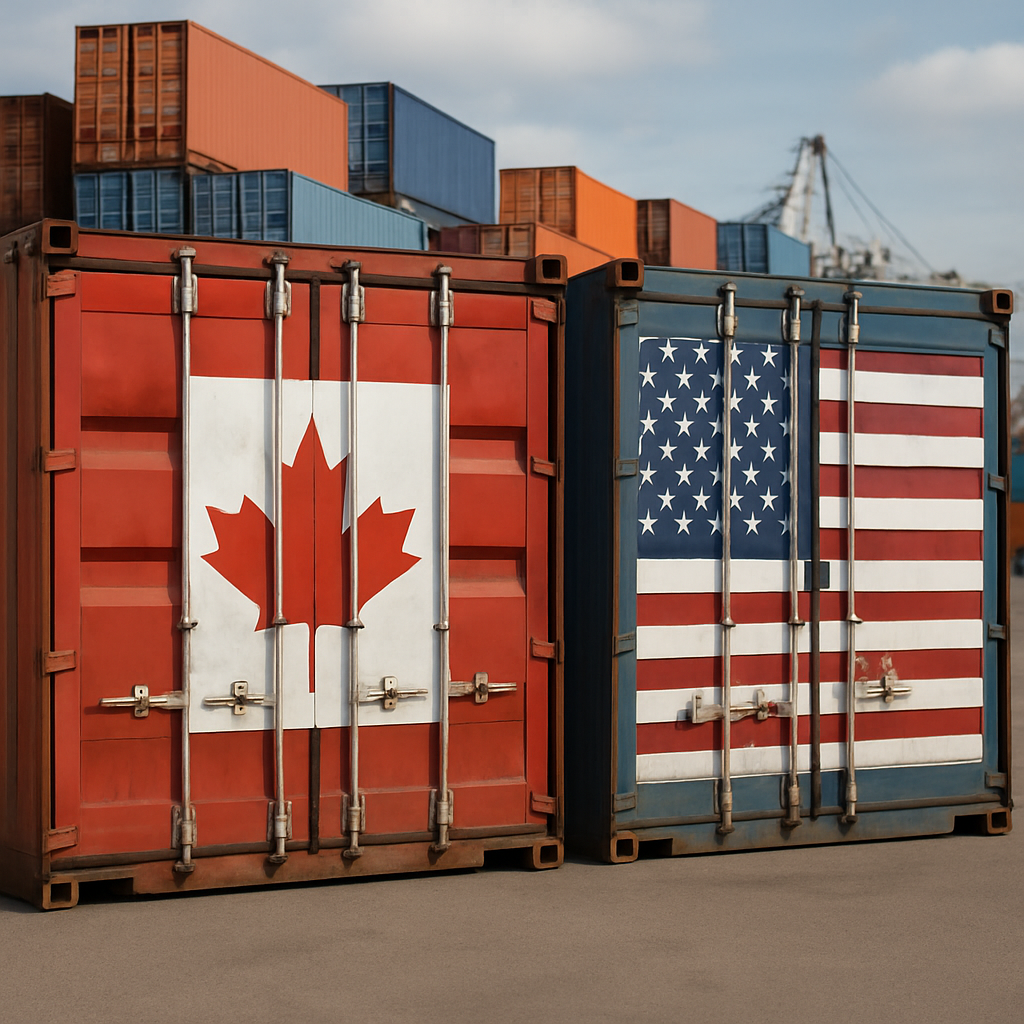
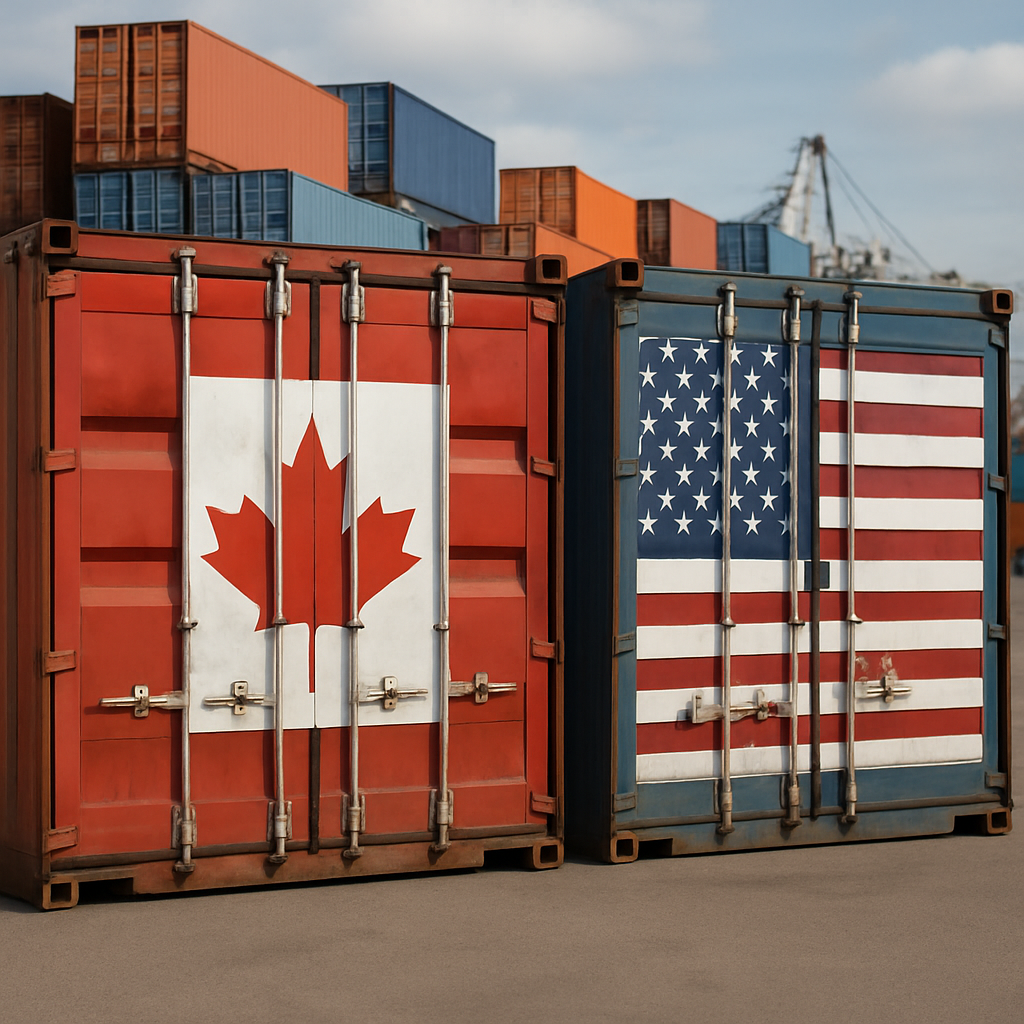
Canadian tariffs on US goods have become a pivotal issue for businesses, consumers, and policymakers in both countries. As of 2026, Canada imposes retaliatory tariffs on a wide range of American products, significantly affecting cross-border trade and raising costs for importers. New measures, some reaching up to 50%, target specific sectors in response to trade policies from the United States. Understanding the current tariffs, their historical roots, and their future implications is essential if you are involved in North American commerce or simply want to know how these changes might impact you.
How Have Canadian Tariffs on US Goods Changed in Recent Years?
Canadian tariffs on US goods have shifted dramatically over the past decade, often in response to changing policies from Washington. Following periodic trade disputes, Canada has repeatedly updated its list of targeted goods, focusing on products that are both politically sensitive and economically significant to the US.
For instance, after the re-imposition of US tariffs under President Trump, Canada responded with significant countermeasures. These changes are not static; they evolve based on diplomatic negotiations and domestic political priorities. New tariffs in 2026 broaden the list of affected products and raise rates to unprecedented levels, with some categories facing duties of up to 50% as detailed by sources like The Washington Post’s report on recent tariff hikes.
The scope of these tariffs reflects broader tensions and the shifting landscape of North American trade. These measures are carefully crafted to maximize political pressure while attempting to minimize self-inflicted damage. The affected sectors extend beyond the traditionally targeted steel and aluminum, now covering everything from vehicles to agricultural products.
To adapt, US exporters have had to re-evaluate their Canadian strategies, and Canadian importers have explored alternative international suppliers to avoid higher prices.
Which Products Are Currently Subject to Canadian Tariffs on American Imports?
As of 2026, Canada enforces tariffs on hundreds of US-made goods as a direct counter to US trade actions. The product list is extensive and includes items across multiple industries, ensuring pressure is felt in various American economic sectors.
Products currently impacted range from cars and automobile parts—where some rates hit the headline 50% mark—to foodstuffs like prepared meats, ketchup, certain dairy items, and household goods. According to recent coverage from CNN, these measures target industries with strong US export presence in Canada, reflecting an effort to influence US domestic politics by hurting key constituencies.
In practice, Canadian retailers and consumers see these tariffs reflected in higher prices on store shelves or fewer US-sourced items in stock. Businesses in both countries face increased paperwork and compliance costs due to evolving regulations.
For a comprehensive breakdown, official government releases and frequently updated media lists provide the best reference to see which goods are impacted in real time.
What Is the History of Tariffs Between Canada and the United States?
The tariff history between Canada and the US stretches back over a century and has swung from protectionism to free trade and back. While both countries once leaned heavily on tariffs to support local industry, the 1989 Canada-US Free Trade Agreement and, later, the North American Free Trade Agreement (NAFTA) progressively reduced barriers.
This era of lower tariffs was disrupted in recent years, with the reintroduction of US tariffs on Canadian steel and aluminum, quickly followed by Canadian counter-measures. Each escalation typically sparked a cycle of retaliation and negotiation, challenging the stability of North American trade relations.
Current tensions, such as those described by Reuters reporting on the $20 billion response, are part of this ongoing story. Political transitions, shifting economic priorities, and global events frequently influence tariff decisions. Trade agreements remain in place, but both governments have demonstrated a renewed willingness to use tariffs as bargaining tools.
How Do Canadian Tariffs Affect Imports and Trade from the United States?
Tariffs add direct costs to American products entering Canada, making them less price-competitive compared to domestic or international alternatives. This often leads to reduced US exports, changes in supply chains, and price adjustments for Canadian buyers.
Industries most affected include vehicles, agricultural goods, and manufacturing components. US businesses that rely heavily on Canadian markets—like producers of auto parts or processed foods—can see tangible reductions in sales and profitability when tariffs spike. Meanwhile, Canadian firms may quickly look to sources outside North America to maintain competitive inventory.
Retailers, wholesalers, and logistics companies are all impacted by the resulting uncertainty and administrative burden. Complex tariff rules and constant updates to product lists require ongoing vigilance and adaptability.
For the average Canadian consumer, the effects materialize in higher prices or less variety for certain imported products. In some industries, the tariffs serve as leverage, nudging companies to consider Canadian suppliers.
Where Can You Find Updated Lists and Official PDF Documents on Tariffs?
To track the most current information, government trade and customs websites regularly publish detailed lists—often as downloadable PDFs—detailing which US goods are subject to Canadian tariffs. Media coverage and business-focused outlets also provide accessible updates and background context.
For real-time analysis, resources like the Canadian federal trade portal or specialized news outlets break down new announcements, specific rates, and product codes. Keeping an eye on high-profile industry changes covered by CNN’s consumer updates is also smart for businesses and individuals needing to adjust quickly.
Industry associations, logistics advisers, and customs brokers can help interpret how updates apply to particular shipments or contracts. Always double-check the latest version of tariff lists before making major business decisions or international orders.
Tracking current changes, understanding historical trends, and preparing for future shifts will help you stay one step ahead in the complex world of Canadian tariffs on US goods.



One Comment