What Is the Donald Trump Beef Tariff Exemption and Are Any Countries Exempt Today?
 Import Export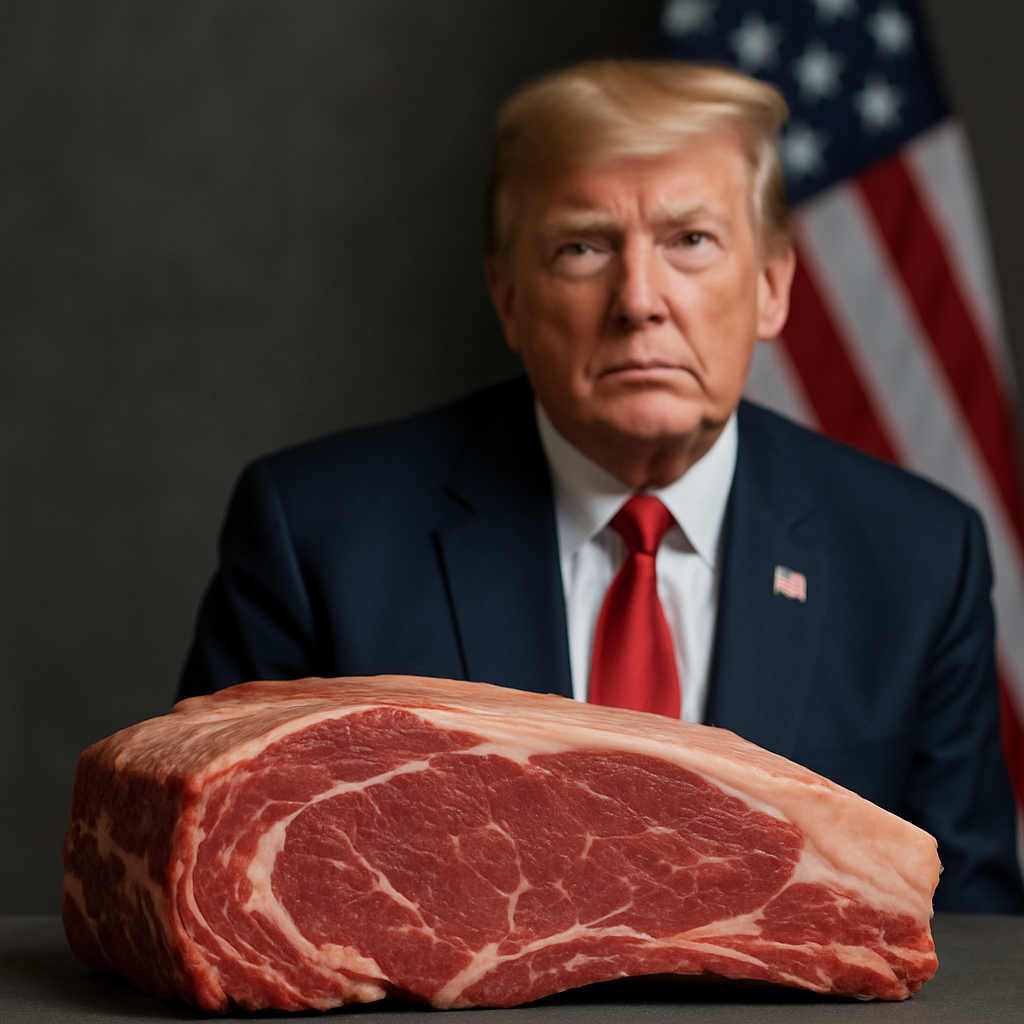
If you are wondering what the Donald Trump beef tariff exemption means for you, here’s the answer up front: In August 2026, Donald Trump announced a 90-day window during which up to 300,000 metric tons of ground beef can be imported into the U.S. entirely tariff-free, with beef promised to sell at 25% below the current market rate. This policy aims to lower prices for American consumers as beef supplies shrink, but it also raises big questions about which countries actually benefit and how legal or permanent these exemptions are. Let’s break down what’s happening, which nations are involved, and how this plays into the legality and broader tariff landscape today.
Understanding the Purpose of Trump’s Ground Beef Tariff Exemption
The main goal of the exemption is to help families deal with rising costs at the grocery store. Over recent years, the shrinking domestic cattle supply has sent beef prices soaring. The Trump administration responded by temporarily easing tariffs on ground beef imports to boost supply and—ideally—drop prices fast.
Unlike across-the-board tariff cuts, this exemption is sharply focused. It covers only ground beef (specifically product for ground beef) and is capped at 300,000 metric tons for 90 days. This targeted approach is designed to balance cost relief for consumers with protections for U.S. ranchers, who expressed concern about facing more competition from overseas producers.
According to reports such as Trump allows tariff-free ground beef imports to lower prices for Americans, the exemption comes with the stipulation that all imported beef must be sold at a significant discount relative to existing U.S. prices.
Which Countries Are Eligible for the Exemption?
This is where the details get interesting. Trump’s announcement did not single out specific countries for exemption, but instead established the exemption as "out of quota"—meaning any exporting country that can meet the strict requirements can take advantage of the program, if overall imports stay within the 300,000-ton cap.
Historically, countries like Australia, New Zealand, and some South American nations are top suppliers of beef trimmings and lean ground beef to the United States. There are already complex quota agreements and bilateral deals in play, but this exemption appears to open the door more widely for these countries—at least for this strictly limited period.
Earlier in the year, Trump signed an executive order raising quotas on certain Argentine beef as well, focused on lean beef trimmings. This indicates that major beef-exporting nations who fit specific quality and supply parameters stand to benefit the most, as supported in Trump Announces 90-Day Tariff Relief For Ground Beef Imports As Costs Soar.
No country is specifically permanently exempt; participation is subject to export logistics, quality standards, and, crucially, the total limit set by Washington.
Today’s Legal Framework: Is the Tariff Exemption Legal?
The authority to set, raise, lower, or waive tariffs rests with the executive branch, mainly through powers granted by Congress via trade law. Trump's temporary beef tariff exemption leans on this legal toolkit: by executive order, a president can create and shape tariff waivers during emergencies or to address domestic shortages.
However, such authority is not unlimited. Tariff changes are subject to trade agreements, World Trade Organization (WTO) rules, and existing U.S. law. In the current scenario, no major legal barriers have blocked the exemption’s rollout, though industry groups and some lawmakers have raised concerns about long-term impacts and fairness for American cattle producers.
This legal green light is part of what allows the rapid implementation of exemptions like this, but it also means modifications or extensions could be challenged if they are seen to run afoul of trade commitments or domestic protections.
So far, the exemption appears fully legal by present-day standards, provided it is temporary and clearly linked to consumer needs.
How Are Tariff Exemptions Used and Monitored in U.S. Trade Policy?
Short-term tariff exemptions are not new to U.S. trade policy. They are often used to address shortages (like in this situation), quickly curb inflation, or respond to foreign retaliatory tariffs. Such measures tend to target specific products, define quotas, and sometimes come with pricing provisions to ensure savings actually reach end consumers.
Tariff relief requires a balance: it’s meant to assist Americans—especially when market forces create price shocks—but it’s carefully limited so as not to devastate domestic producers. That’s why these programs nearly always have strict quotas, timeframes, and reporting requirements.
Government agencies monitor imports rigorously during exemption windows. If filings show that allowed quantities are being reached faster than predicted, the window can close early. Conversely, if demand isn’t as high, the exemption could be extended (though there’s no current sign this will happen beyond the 90-day frame).
Transparency and continual review are standard. The Office of the U.S. Trade Representative and customs authorities keep public records and release periodic updates on imports, pricing, and compliance by exporters.
Essentially, exemptions like Trump’s ground beef initiative are tactical tools rather than sweeping, structural reforms.
What Happens After the 90-Day Exemption Period Ends?
The exemption is a temporary measure—once the 90-day period ends, normal tariffs automatically snap back into place for all qualifying ground beef imports. Countries that benefitted from the exemption must readjust, and U.S. beef buyers will once again pay standard tariff-driven prices unless the policy is extended or modified.
Industry groups and politicians will almost certainly reassess the aftermath. If prices fall and stay stable, there may be little appetite to reopen the exemption. However, if beef shortages persist (or prices bounce back up), you may hear renewed debate about tariff exemptions or alternative market interventions.
This cycle is part of today’s broader discussion about food inflation, supply chains, and U.S. trade law powers. No country, product, or producer is permanently exempt from tariffs—each round of relief is managed based on market data and political negotiations.
In closing, the Trump beef tariff exemption is very much a creature of today’s legal framework: legal, temporary, closely monitored, and strictly limited both in terms of time and total imported quantity.
One thought on “What Is the Donald Trump Beef Tariff Exemption and Are Any Countries Exempt Today?”