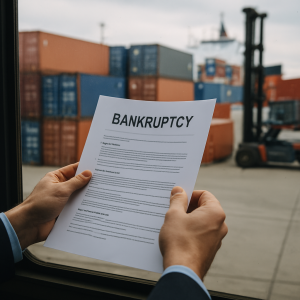
Stg Logistics Files Chapter 11: Impact on Port-to-Door Logistics and Third Party Providers
 Import Export
Stg Logistics has officially filed for Chapter 11 protection, marking a significant moment for the port-to-door logistics and third-party provider sectors. The company cites a challenging freight market, inflationary conditions, and the ripple effects of tariffs as the main catalysts behind this restructuring effort. With over $1 billion in both assets and liabilities, Stg Logistics is pursuing a balance sheet recapitalization designed to preserve operational integrity, stabilize relationships with critical vendors, and support customers across the integrated transportation chain. [source]
Strategic Recapitalization Drives Financial Restructuring
Stg Logistics' entry into Chapter 11 underscores the volatility gripping the logistics and import/export industry. The bankruptcy process stems from several quarters of revenue contraction, pressure from rising costs, and global trade headwinds.
As part of its comprehensive restructuring plan, Stg Logistics secured a $294 million delayed-draw priming DIP facility. This financing – including $150 million in new capital and a $144 million roll-up – enables continuity for vital logistics operations, payroll, and customer commitments. The DIP backers, a consortium of lenders, have agreed to further negotiate future equity positions or pursue a sale process, as outlined within an RSA (Restructuring Support Agreement).
By actively recapitalizing its balance sheet, Stg Logistics is attempting to avoid operational disruption, laying the groundwork for long-term viability in the competitive world of logistics and third-party provider services.
For more on the company's background and recent restructuring moves, reference the official court filing alert.
Implications for Integrated Port-to-Door Services
The Chapter 11 filing holds broad implications beyond Stg Logistics itself, especially for customers and suppliers relying on full-spectrum, integrated port-to-door solutions. These services, encompassing import management, container transport, warehousing, and last-mile delivery, are central to many global supply chains.
Given Stg’s acquisition of XPO’s intermodal unit in 2022, its reach expanded across containers, tractors, and the ability to reduce dependence on third parties in drayage and capacity. This vertical integration made Stg a vital partner for businesses operating in import/export trade, heightening sensitivity to any operational shifts resulting from bankruptcy.
With the DIP financing in place, Stg Logistics aims to reassure partners and maintain seamless performance in the movement of goods, even as long-term restructuring unfolds. Employees, vendors, and customers have been specifically cited as ongoing beneficiaries of recapitalization plans, underlining the interconnected, third-party-dependent nature of modern logistics. [source]
However, the company's warning that unsecured creditors will not be paid after administrative expenses introduces potential uncertainty in vendor and third party relationships going forward.
Precedents and Lessons for Third Party Providers
The Stg Logistics case offers instructive lessons for third-party logistics providers and businesses using import/export services. Market downturns and economic volatility can quickly erode liquidity, especially for asset-heavy companies with major debt loads.
Bankruptcy protection – particularly a pre-negotiated or "pre-packaged" process supported by major stakeholders – can help preserve value in the business. Securing strong DIP funding and negotiating clear RSAs are critical components for providers seeking to weather short-term crises while planning for future growth.
The current restructuring highlights the value of having solid contractual protections and consistent communication between logistics companies, their customers, and supporting lenders. This proactive approach can mitigate operational risk and foster the recovery of essential import/export and third party provider services.
Stg’s experience is a reminder to all companies in the global trade services ecosystem to continually review their partnerships, diversify risk, and maintain agility to adapt to new market realities.
Next Steps and Outlook for the Logistics Sector
With Stg Logistics aiming to emerge from Chapter 11 with a cleaner balance sheet, the company’s fate will hinge on continued execution under court oversight and the ongoing support from its secured creditors and partners.
The restructuring process, expected to equitize a substantial share of prepetition term loans and potential DIP claims, provides a path for Stg to restore operational momentum. There also remains an option for a sale process if creditor consensus shifts during proceedings.
For third party providers and customers throughout the integrated logistics spectrum, maintaining close watch on developments within Stg’s legal and financial restructuring is paramount. The company’s outcome may serve as a bellwether for others in the space confronting similar pressures from freight recessions, evolving tariffs, and the demand for reliable, vertically integrated import and export solutions.
For additional reference and continuing updates, review Stg Logistics' ongoing restructuring coverage at Bondoro and FreightWaves.