Customs Clearance Process: Key Steps, Documents, and Import Regulations for Global Trade
 Import Export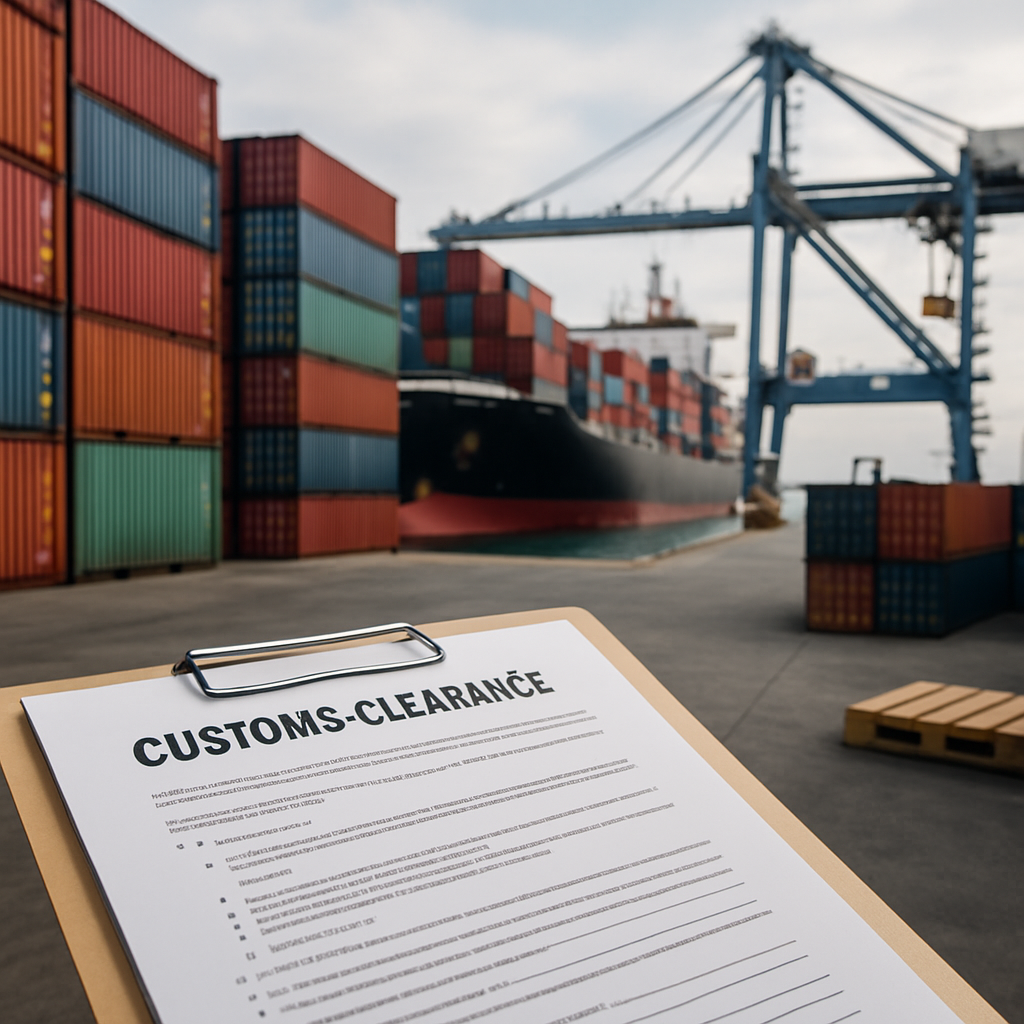
Understanding the Customs Clearance Process for International Trade
Customs clearance is the essential process that allows goods to legally enter or leave a country’s borders. Without proper customs clearance, shipments face costly delays, denied entry, or even confiscation. The process hinges on compliance with both import and export laws, including the accurate submission of paperwork and payment of duties. Anyone involved in importing materials into Canada, the United States, or any other country must prioritize understanding these customs procedures to guarantee successful, timely shipments. Whether your business is shipping bioplastic supply chain goods, hazardous materials, or simply wants to avoid major disruptions, the customs clearance process is the gatekeeper for global trade (source).
Key Customs Documents: Commercial Invoices, Packing Lists, and Certificates of Origin
Clearance officially begins with the submission of essential documents to border authorities. The commercial invoice serves as the foundation, outlining the value, origin, and type of goods. This information is not merely bureaucratic but is scrutinized for tariff classification, tax calculation, and import restrictions. Countries like the United States and Canada demand accuracy; any inconsistencies can result in customs delays or even fines.
The packing list complements the invoice by providing itemized detail about the shipment’s contents, dimensions, and weight. For the bioplastic supply chain or companies dealing with specialty items such as biological material, clarity in a packing slip is vital for cross-border compliance and safety. Likewise, a certificate of origin certifies where the goods were manufactured, which impacts trade agreements and preferential tariff rates.
These documents are not optional; customs brokers and freight forwarders rely on them to process declarations efficiently. Understanding their roles in overall compliance is outlined in expert guides on international sales and customs procedure flow charts (source).
Customs Clearance Regulations: Import Permits, Tariff Classification, and Duty Calculation
Each country enforces specific biohazard transportation regulations and waste import permit requirements, especially for potentially hazardous or regulated goods. In Canada and the US, importers must check if a waste import permit or other specialized approvals are necessary before shipment. Missing such details leads to holding or rejection of goods at the border.
Tariff classification is another critical step, requiring importers to assign a harmonized system (HS) code that dictates applicable duties and taxes. Finding the correct classification—whether for routine goods or biological samples for research—demands up-to-date regulatory knowledge. Errors can cause underpayment, overpayment, or conflicts with customs authorities.
Duty and tax calculations hinge on declared value, origin, and classification. For global biotechnology businesses moving biological material for cross border movement or biotrash, legal compliance also means providing certification of content and value at every stage. This regulatory rigor is echoed in guidelines from the US Small Business Administration’s official trade resources.
Common Challenges in Customs Clearance: Delays, Disruptions, and Regulatory Pitfalls
Customs clearance delays can seriously disrupt the bioplastic supply chain, delay the import of biotechnology equipment, or hamper the international movement of hazardous and recyclable materials. Delays often occur due to incomplete paperwork, missing customs declarations, or incorrect tariff codes. For example, businesses importing materials into Canada or exporting from the US can face setbacks if product documentation fails to meet strict local requirements.
Global supply chains must also contend with periodic regulatory changes or new inspection procedures. In 2021, the world saw some of the biggest disruptions in history, when pandemic controls and regulatory upheavals made cross-border movement more complicated and time-sensitive. Understanding the customs clearance process—right down to local declaration forms and the specific paperwork required—can mean the difference between on-time delivery and costly warehouse detention fees.
Some importers attempt to rush through or skip steps, especially for low-value shipments. However, customs authorities can place holds or require further verification even for samples, especially when handling items flagged as potential bioterrorism risks. Having a reliable freight forwarding partner and understanding regional requirements (as in Dubai, Kenya, or Tanzania) protects against surprises in the ever-changing regulatory landscape.
Role of Customs Brokers, Freight Forwarders, and Regulatory Advisors in Clearance
Customs brokers act as liaisons, helping importers and exporters navigate the ever-shifting maze of regulations. Their knowledge of local customs procedures, from tariff calculation to the declaration process, makes them indispensable—particularly for complex cargo like biological samples or regulated hazardous wastes. Brokers ensure accurate and timely submission of all paperwork, reducing the risk of shipment holds or penalty payments.
Freight forwarders coordinate the logistical steps, from ensuring goods fit bio importation standards to arranging transport with carriers equipped for biohazard or recyclable trash cans. For biotechnology, the secure and compliant transfer of research materials is often non-negotiable; one slip in customs documentation or packaging can lead to irreparable setback or even loss of critical samples.
Regulatory advisors and compliance experts further support global businesses, especially when navigating new market entry or complex supply channels like XBR (cross-border recyclable) materials. Their oversight helps importers plan for long-term regulatory shifts, minimizing the risk of both commercial losses and legal liabilities.
Practical Guidance: How to Prepare for Customs Clearance and Avoid Common Pitfalls
For any importer or exporter, advance planning and process familiarization are essential. Begin by mapping the required customs clearance documents for your specific shipment and destination. This could include a packing slip program that matches country-specific requirements or a custom procedure PDF for process tracking in markets such as Dubai or Kenya.
- Stay updated on law changes: Countries periodically update import rules—such as new waste import permit mandates or customs declaration forms. Checking authoritative sources such as national customs websites or industry-specific trade organizations ensures you always meet the latest requirements.
- Use process guides and flow charts: Step-by-step guides outline the paperwork and tracking needed to get started, show progress, and identify what happens after your package is cleared. Reference these visual aids for smoother clearance of sales classification items or hazardous shipments.
Finally, always track and communicate with your customs broker or freight forwarder. Items like the "processing complete—cleared US customs" status do not always mean the goods will be instantly released for delivery. Ongoing visibility and tracking prevent surprises and can help manage expectations regarding shipping, delivery times, and final receipt. Mastering the customs clearance process ensures that international shipments—whether for biotrash, biotechnology, or routine commercial goods—reach their destinations efficiently and in full compliance with global trade laws.