Automotive Industry Outlook 2026: Strategic Sourcing, Supply Chain Challenges, and Market Trends
 Import Export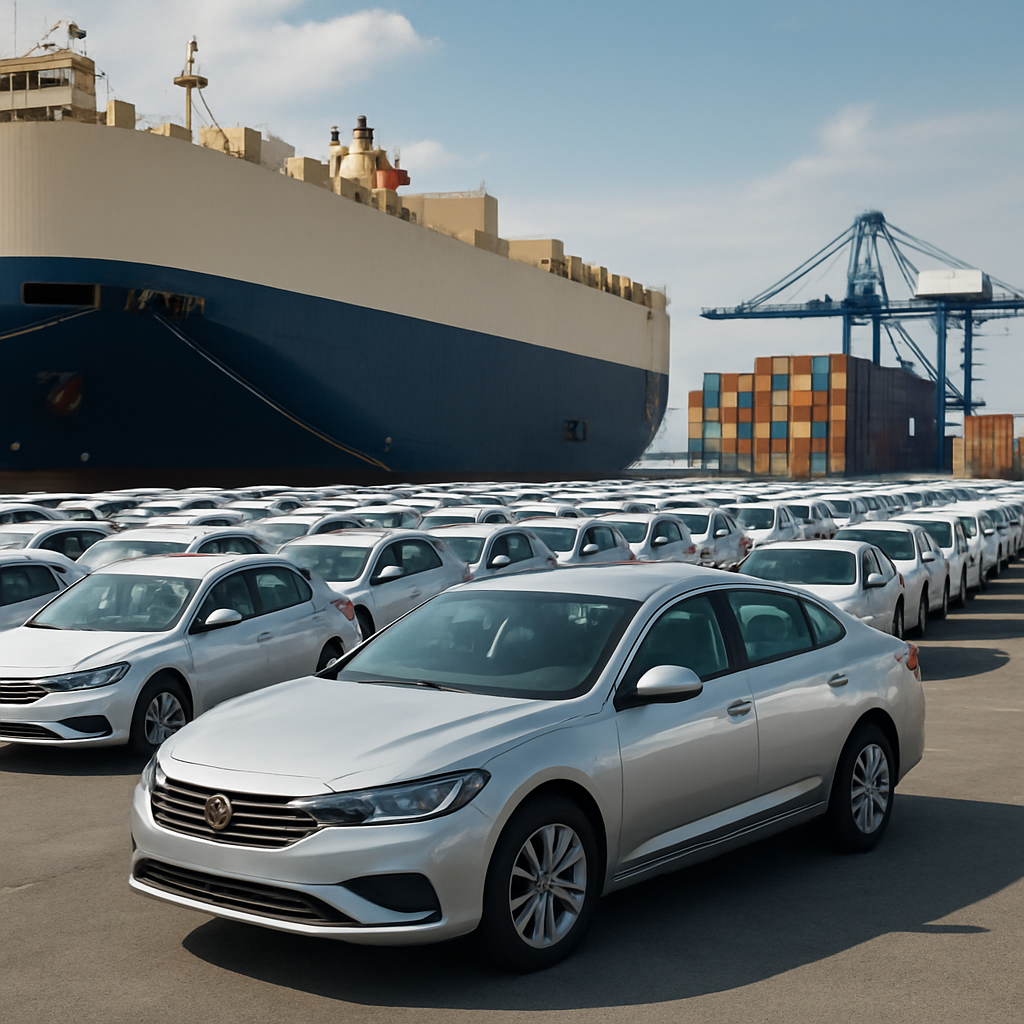
From Cost-Cutting to Value Creation: The New Strategic Sourcing Paradigm in Automotive Manufacturing
Between 2018 and 2025, the global automotive industry has rapidly transformed, shifting its sourcing priorities from simple cost minimization to an integrated focus on value creation—that means manufacturers are no longer satisfied with sourcing based solely on the lowest price. They now demand agility, quality, and sustainability from their suppliers to remain competitive, address evolving consumer behavior in 2025, and weather unpredictable global disruptions. This evolution has been shaped by technological advances, new market demands, and lessons learned from the unprecedented supply chain challenges of recent years. Strategic procurement and robust logistics have become fundamental for automotive industry survival and growth, as evidenced by ongoing changes in sourcing approaches, production strategies, and supplier relationships worldwide (read the full analysis here).
The Shift in Automotive Industry Sourcing: Responding to Consumer and Supply Chain Pressures
The traditional model dominating the automotive industry for decades was cost-oriented procurement: relentless negotiation with suppliers for the lowest possible prices on everything from vehicle color components to technological features and raw materials. This approach delivered short-term price advantages but often led to quality inconsistencies and supply chain vulnerability. Chinese, Indian, and Southeast Asian manufacturing hubs like Indonesia, Thailand, and Malaysia became key players in driving these cost efficiencies, supporting the rapid expansion of global brands.
However, starting in the late 2010s, the tide began to turn. More sophisticated consumers—demanding greater customization such as body types, suvs, trucks, sedans built on truck frames, and extra style options—required manufacturers to add flexibility to their sourcing models. On top of this, high-profile supply chain disruptions (including the pandemic, chip shortages, and shipping logjams) made "just-in-time" strategies risky. Global original equipment manufacturers (OEMs) such as General Motors and Tata re-evaluated their procurement strategies in the face of mounting tariffs and regulatory constraints, leading to a more balanced approach prioritizing resiliency and value over lowest possible cost.
Automotive production has always been complex, but the pivot to electric vehicles (EVs), the integration of advanced manufacturing technology, and heightened customer demands—especially across fast-growing markets like China and India—add further layers to a sector already known for its demanding supply chain structure. Today, successful procurement means monitoring a web of suppliers, logistics networks, and technology partners with real-time analytics, ensuring customer demands are met efficiently and at scale (learn about logistics complexities here).
Manufacturing Market Trends: 2023–2024 Sales Data, Growing Demand, and Technology
One of the most dramatic shifts in recent years has been the automotive market's necessity to serve highly specific and regionally distinct customer behaviors. In 2023, the popularity of SUVs—built traditionally on truck frames—continued to surge across both the US and global markets. In markets such as the United States, trucks and larger vehicles are frequently preferred, while compact cars and growing EV segments in China and Europe highlight broader market diversification.
Sales data by brand in 2023 and early 2024 points to a consumer increasingly motivated by technology, safety enhancements, and the option for personalization—everything from vehicle color to infotainment systems to extra features now shapes buying decisions. Brand loyalty is still strong, but flexibility in meeting customer requirements, such as quick deliveries and new body types, determines which automaker will stand out in the eyes of tech-savvy consumers. Toyota, Tesla, and Tata, for instance, have turned agile sourcing and rapid adaptation into competitive advantages in a crowded global market.
Meanwhile, production statistics reveal that automakers are also embracing automation and artificial intelligence to handle complex procurement operations and just-in-time manufacturing schedules. Manufacturing centers in Indonesia, Thailand, China, and India are not just low-cost providers but are increasingly sites of innovation, with advanced robotics and real-time supply chain management platforms enhancing operational resilience.
Global Supply Chain Disruption: Why Procurement and Logistics Matter More Than Ever
Global automotive supply chains are intricate webs, stretching across continents and involving thousands of suppliers, specialized logistics companies, and data-driven management platforms. The disruptions experienced in the wake of COVID-19, chip shortages, and port blockages cast a spotlight on the fragility of even the best-planned distribution networks. Automakers had to scramble, often relying on logistics partners in the US, UK, Europe, India, and China to reroute shipments, adapt to fluctuating tariffs, and manage inventory in innovative ways.
Supply chain structure has thus become a boardroom conversation for every large automaker. Detailed diagrams and process maps now outline not just the flow of parts, but also risk assessments, contingency planning, and supplier diversity strategies. Companies formerly focused on maximizing efficiency at every stage now also prioritize real-time monitoring, redundant supplier relationships, and local sourcing initiatives when possible to buffer against potential shocks.
This pivot is just as relevant for finished vehicle logistics—shipping cars from plants to dealerships or directly to end customers, especially as consumer patience for long waiting times hits a new low. Not only must automakers coordinate inside their own supply chains, but they must assess everything from local trucking and rail schedules to global shipping providers and transcontinental customs requirements. Resilience and flexibility are now inseparable from value creation in automotive procurement (see evolving supply chain strategies here).
Outlook 2026: Procurement, Market Growth, and the New Automotive Customer
Looking ahead to 2026, the automotive industry outlook points toward continued growth in global car analysis, even as competition intensifies and procurement definitions evolve. The move toward value-driven sourcing is expected to accelerate, especially as sustainability standards become a non-negotiable factor for customer trust and regulatory compliance in manufacturing markets like Europe, the US, and China.
New sales data, statistics, and production forecasts indicate that companies with the most responsive and integrated supply chains will capture the largest market share. Automakers will increasingly rely on sophisticated analytics to predict customer demands for new body types (trucks, SUVs, sedans), innovative features, and manufacturing technology investments, often informed by market reports and up-to-the-minute manufacturing statistics updated to 2024.
Expect procurement manager roles to expand as automakers build alliances for more durable sourcing networks and leverage logistics companies worldwide—not only in traditional strongholds like Massachusetts or California but also in overseas hubs—to ensure uninterrupted production. The pressure is on for jobs, specialists, and managers with expertise in procurement, logistics, and supply chain analytics, often commanding higher salaries and more influence than ever within automotive organizations.
The Road Ahead: Adapting Procurement and Supply Chain Structures for Automotive Growth
Automotive companies facing ongoing market and logistics challenges will continue to adapt their procurement strategies, further embedding digital management technologies, and building networks resilient to both expected and unforeseen disruptions. Whether sourcing new technology from suppliers in China, responding to fast-changing consumer tastes in vehicle body types, or negotiating the rising influence of EVs, agility and foresight will define future winners in the automotive industry space.
For those navigating this new procurement landscape, the evolution from cost-cutting to value creation represents more than a financial shift; it's a complete transformation of how automakers analyze risk, create products, and deliver to a global base of increasingly sophisticated consumers. The sector's ongoing resilience will hinge on a nuanced understanding of both production technology trends and the ever-shifting needs of international customers, as detailed in the latest automotive market analysis and logistics reports for 2023 and 2024.
As supply chain disruptions become the norm rather than the exception, successful companies will be those that not only embrace strategic sourcing but also foster transparency, collaboration, and technological integration from procurement through final delivery.