How Blockchain Is Transforming Supply Chain Transparency: Use Cases, Tracking Systems, and Innovations
 Import Export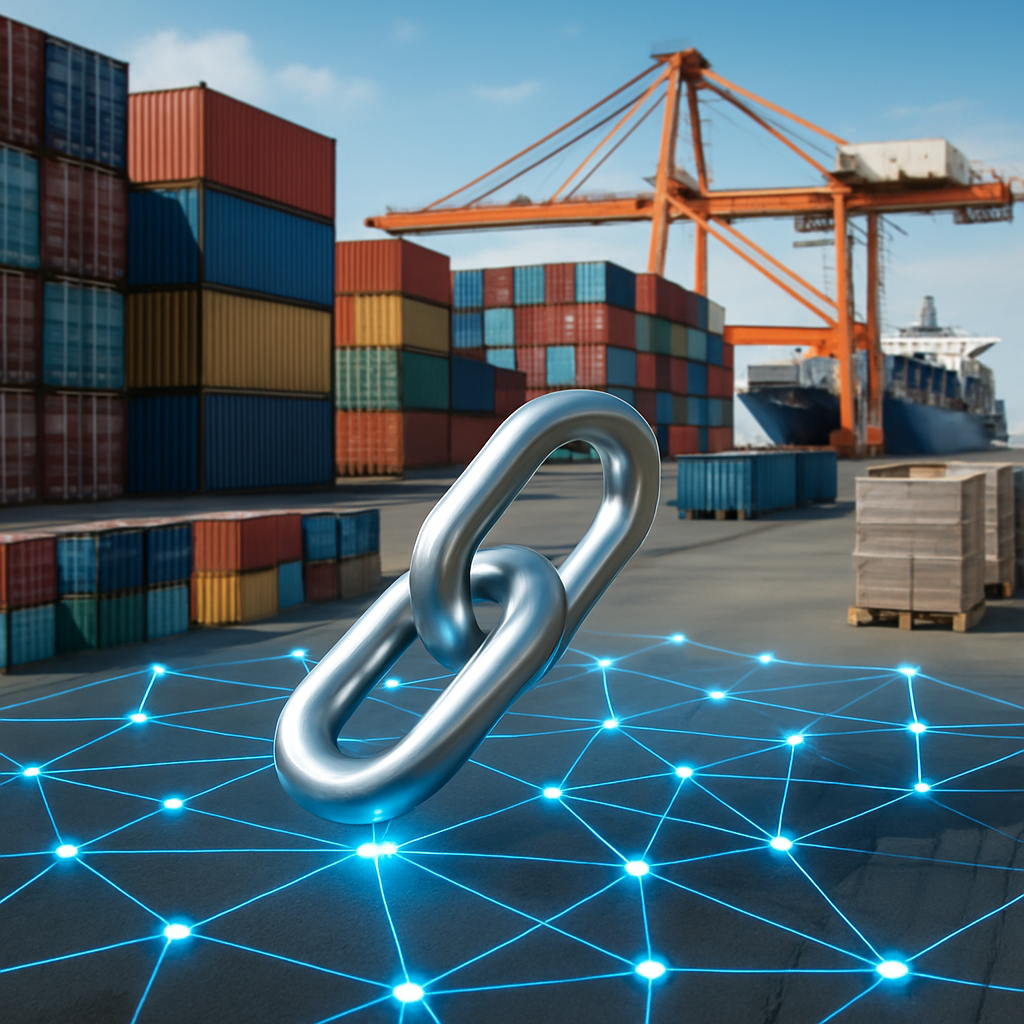
Understanding Blockchain in Supply Chain Management: Immediate Benefits and Core Meaning
Blockchain technology is rapidly changing what companies can achieve in supply chain management, especially when it comes to achieving transparency and track-and-trace capabilities. At its essence, blockchain enables organizations to record each transaction across their logistics network as a tamper-proof, synchronized ledger. This makes it significantly easier for participants—manufacturers, distributors, retailers, and even end consumers—to verify the source, journey, and authenticity of goods. As Deloitte explains, blockchain adoption is improving traceability, reducing administrative overhead, and giving rise to trustworthy, data-driven decision-making within global supply chains.
By focusing on use cases driven by technology, businesses are embracing blockchain-based solutions for everything from food traceability to validating luxury goods. Beyond mere cost savings, the largest industry impact is seen in enhanced trust and inventory control across logistics, especially where fraud or inefficiencies previously stagnated performance.
The primary function of blockchain in this space isn't just technical—it's about enabling better relationships between supply chain partners. Blockchain's distributed verification builds confidence and accountability, which leads to measurable improvements in compliance, efficiency, and innovation across all layers of the supply network.
How Blockchain-Based Tracking Systems Enable Supply Chain Transparency
Blockchain's role in tracking and traceability is one of its standout features within the industry. A blockchain-based tracking system means that every touchpoint—from farm to table in the food sector, or source to storefront in retail—is recorded immutably. Companies deploying these systems can pinpoint where a shipment is, who handled it, and whether any changes were made, all in real-time.
One concrete example of blockchain in supply chain management includes the dairy sector. By utilizing blockchain ledgers to authenticate and trace raw milk from producer to distributor, companies build consumer trust while minimizing the risk of contamination or fraud. Food industries, in particular, are embracing blockchain-based traceability to respond faster during recalls and improve sourcing transparency for the end customer.
In terms of how blockchain works for tracking, each asset is registered on the chain with unique identifiers, updated at each logistics checkpoint, and validated by independent network participants. This rigorous validation protocol prevents data tampering and makes blockchain a trusted solution for industries as varied as pharmaceuticals, agriculture, and cross-border trade.
Application and Implementation: Real-World Supply Chain Use Cases
The implementation of blockchain in supply chain management is well documented, with successful case studies found across the globe. Major logistics players, startups, and food companies alike are piloting and scaling blockchain platforms to increase efficiency, offer new customer experiences, and comply with evolving regulations.
For example, supply chains in the food industry rely on blockchain for tracing ingredient provenance, ensuring ethically sourced materials, and producing time-stamped proof of authenticity—all documented in immutable ledgers. Applications range from tracking coffee beans to dairy and even seafood, each with the shared goal of transparency and enhanced safety.
It's not limited to food. International trade sees blockchain supporting decentralized marketplaces and digital documentation systems for customs, contracts, and financial settlements. According to a European Parliamentary study, forthcoming blockchain-based solutions will refashion the movement of goods by automating validation and registration processes that historically required immense paperwork and manual reconciliation.
Challenges in Blockchain Adoption: Validation, Integration, and Trust
Despite the promise of blockchain for supply chain innovation, companies face notable challenges in implementation. Validation of data at the point of entry remains a potential weakness—while blockchain itself is secure, incorrect or fraudulent data inputted by trusted parties can still compromise output. Therefore, protocols around data entry, IoT integration, and accountability are critical for success.
The integration of blockchain into existing logistics frameworks is another practical hurdle. Legacy systems, siloed data, and a lack of industry standards have historically slowed widespread adoption. However, collaborative efforts between industry consortia and technology providers—often led by major consulting groups such as Deloitte—are helping companies identify best practices and accelerate platform deployment.
Finally, building trust among all participants is essential. Blockchain's primary advantage is in fostering transparent, decentralized relationships, but only if all stakeholders understand, accept, and reciprocate the visibility and accountability it enforces. Without broad buy-in across the supply chain, the system's benefits are diluted.
Looking Ahead: The Future of Blockchain Solutions in Industry and Trade by 2025
By 2025, blockchain is set to redefine not only logistics and supply chain operations, but also the broader world of international trade and regulatory compliance. As use cases expand into inventory management, last mile delivery, and omnichannel logistics, companies will have new opportunities to strengthen relationships, eliminate inefficiencies, and innovate their business models.
Advanced solutions are focusing on smart contracts to automate payments, blockchains for healthcare product authentication, and network-driven applications for sustainable trade. As early adopters demonstrate improved transparency and performance, mainstream deployment is likely to accelerate across sectors from mining to finance.
- Inventory Management: Blockchain-enabled systems help track inventory across multiple locations, updating records in real-time and minimizing manual errors. This allows organizations to forecast demand more accurately and optimize stock holding, which is especially valuable for global supply chains.
- Regulatory Compliance: With immutable transaction histories, companies can provide auditors and regulatory bodies instant access to verified data. This reduces the risk of non-compliance and accelerates cross-border trade by smoothing due diligence and customs clearance.
The blockchain supply chain revolution is underway—reshaping how goods, information, and trust flow through the world's most essential networks.