Why Kharg Island Remains Vital for Iran Oil Exports, Global Trade, and Military Strategy
 Import Export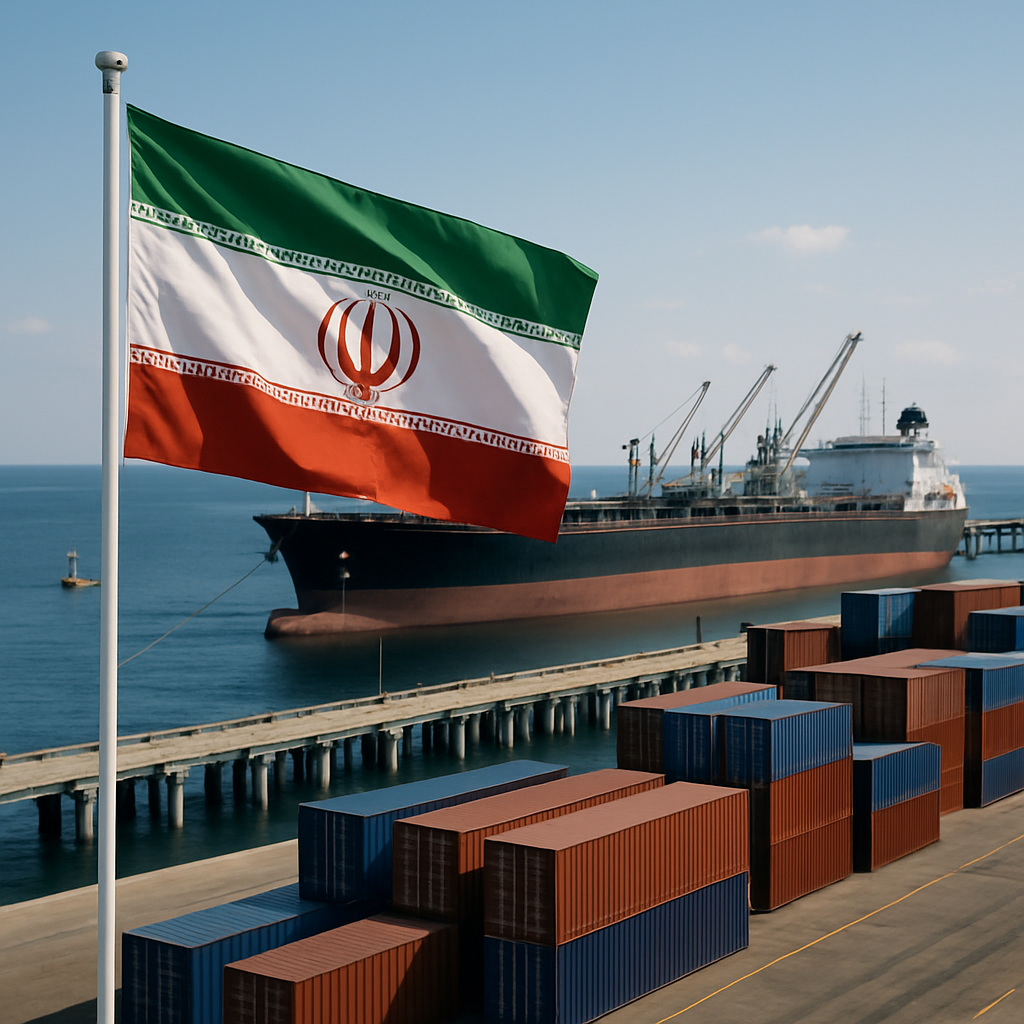
The Strategic Importance of Kharg Island in Iran’s Oil Export Network
Kharg Island is Iran's primary oil export terminal, responsible for loading and shipping approximately 90% of the country’s crude oil to international markets. Its significance lies not only in its vast oil capacity but also in its location near the Strait of Hormuz—a maritime chokepoint carrying a large share of global energy supplies. When U.S. forces recently struck military targets on Kharg, the world was reminded of how a single point on the map can influence oil prices, energy security, and international relations overnight. Any disruption to operations on Kharg Island can dramatically impact both Iran’s economy and the broader oil market, making its security and status major subjects of global attention [Reuters].
Understanding Kharg Island: Map Location, Area, and Oil Loading Operations
Located off Iran’s southern coast in the Persian Gulf, Kharg Island is strategically positioned less than 40 kilometers from the Iranian mainland. The island covers roughly 22 square kilometers (about 8.5 square miles) and features a complex infrastructure network of pipelines and oil terminals. Satellite images frequently used by global media and military analysts highlight how the island nestles within a busy shipping lane, amplifying its logistical and geopolitical weight.
The oil export process on Kharg relies on a sophisticated web of pipelines that transport Iranian crude from mainland refineries to massive storage tanks and export jetties. This setup enables Iran to load simultaneous tankers, ensuring steady supply regardless of demand fluctuations or security threats. The underwater pipelines, which run from Kharg to loading buoys offshore, provide a further buffer against sabotage and facilitate flexible tanker operations—a vital detail for both commercial interests and military planners tracking global oil flows.
The island’s total land area and facilities dwarf many other regional terminals, leading to comparisons with oil hubs around the world. Its size and tanker capacity also feed into online gaming culture, where locations such as Kharg Island feature in campaigns and missions in popular franchises like Battlefield and Call of Duty, blending virtual and real-world geopolitics.
Oil Exports, Tanker Traffic, and the Strait of Hormuz: Key Trade Routes Explained
Iran’s oil export network radiates from Kharg Island, which functions as a terminal where crude is supplied directly from fields and refineries via an intricate, secure pipeline system. From there, tankers—some capable of carrying more than 2 million barrels per load—navigate to world markets. The majority of these tankers pass through the Strait of Hormuz, a narrow passage visited frequently in global headlines for its vulnerability to disruption and its outsized role in the world economy.
Data from sources like TankerTracker.com and Kpler confirm that, even during military escalations and international sanctions, Kharg Island is instrumental in sustaining Iran’s export volumes, shipping between 1.1 and 1.5 million barrels per day as recently as 2026. These figures highlight why any attack or blockade against the island, whether by conventional warfare or sabotage, could trigger domino effects in energy markets worldwide [source].
The strategic location also means that trade partners—from Asia to Europe—must factor Kharg into risk calculations for oil deliveries, insurance, and pricing. The international significance of the route is so pronounced that global news outlets and defense experts routinely debate scenarios in which tanker traffic around Kharg and Hormuz faces disruption, using both real and simulated incident analyses.
Military Vulnerability and the Geopolitics of Kharg Island
Kharg Island’s unique role in Iran’s oil pipeline and export scheme makes it both a valuable asset and a prime target during periods of conflict. The island’s military installations are tasked with defending not just oil terminal infrastructure but also Iran’s strategic sovereignty in the Persian Gulf region. Historically, Kharg has withstood attacks, such as bombings during the Iran-Iraq War in the 1980s and recent threats from U.S. and Israeli operations. Each episode has underscored the potential for spillover into the global oil market and drawn statements from Iranian leaders concerning retaliation against would-be aggressors [Aawsat].
The timeline of attacks on Kharg reveals how the island’s exposure to military action has led to policy shifts both in Tehran and among oil-consuming nations. For example, the 1988 U.S. attack under Operation Praying Mantis and the recurring threats in more recent years have influenced the deployment of Iranian air defenses, the construction of reinforced oil storage, and the hardening of key pipeline connections. These steps are intended to ensure the island can continue supplying international oil markets, no matter the circumstances.
Military planners and analysts view Kharg not only as an energy hub, but as a crucial bellwether for regional escalation. Its presence on maps used by oil traders, naval strategists, and online gaming platforms reflects its status as a focal point for both civilian logistics and defense scenarios.
Civilian Life, Population, and the Environmental Stakes on Kharg
Beyond its oil terminals and military garrisons, Kharg Island is home to a small civilian population, primarily workers supporting the oil export infrastructure. The number fluctuates with operational demands, though permanent residents remain limited due to intense industrial activity and tight security protocols. However, the population’s presence brings additional stakes during military crises, leading to periodic evacuation orders and special protection measures.
One often-overlooked concern is environmental risk. Past oil spills and fires—whether caused by accidental leaks or deliberate attacks—have caused significant ecological harm, threatening marine life and affecting fishing communities along the Iranian coast. Responding to these incidents has led to international scrutiny and called for reviews of both pipeline safety and military practices by concerned organizations and watchdog agencies.
The combination of human, oil, and strategic interests means Kharg Island will remain a focus of news, policy analysis, and online debate for the foreseeable future. Whether in the context of world trade, environmental concerns, or geopolitical flashpoints, the island’s story continues to evolve, shaping discussions from Reddit forums to authoritative news platforms.
Global Oil Markets: The Ripple Effect of Disruption at Kharg Island
The connection between Kharg’s export flows and world oil prices remains a subject of urgent analysis for financial professionals and policy makers. Disruption at Kharg within any given week can produce upward spikes in benchmark crude prices, alter the strategies of OPEC members, and result in direct appeals from importing countries for rapid diplomatic intervention. The reverberations travel swiftly from tanker terminals to energy market dashboards and into media statements by both Western and Middle Eastern leaders.
In recent years, questions regarding the security of Kharg Island—especially following high-profile bombings or the specter of an embargo—have forced energy companies and shipping firms to rethink insurance terms, reroute tankers, and adopt new maritime risk practices. These ongoing adjustments reveal how even a relatively small patch of land in the Persian Gulf exerts outsized influence on the global economy, military decision-making, and the fate of millions dependent on stable oil deliveries.
Ultimately, as long as the world remains reliant on seaborne oil exports and the Strait of Hormuz endures as a strategic chokepoint, Kharg Island’s pipelines, terminals, and population will continue to play a pivotal role on the global stage.