How Blockchain Works in Logistics: Practical Examples of Supply Chain Traceability
 Import Export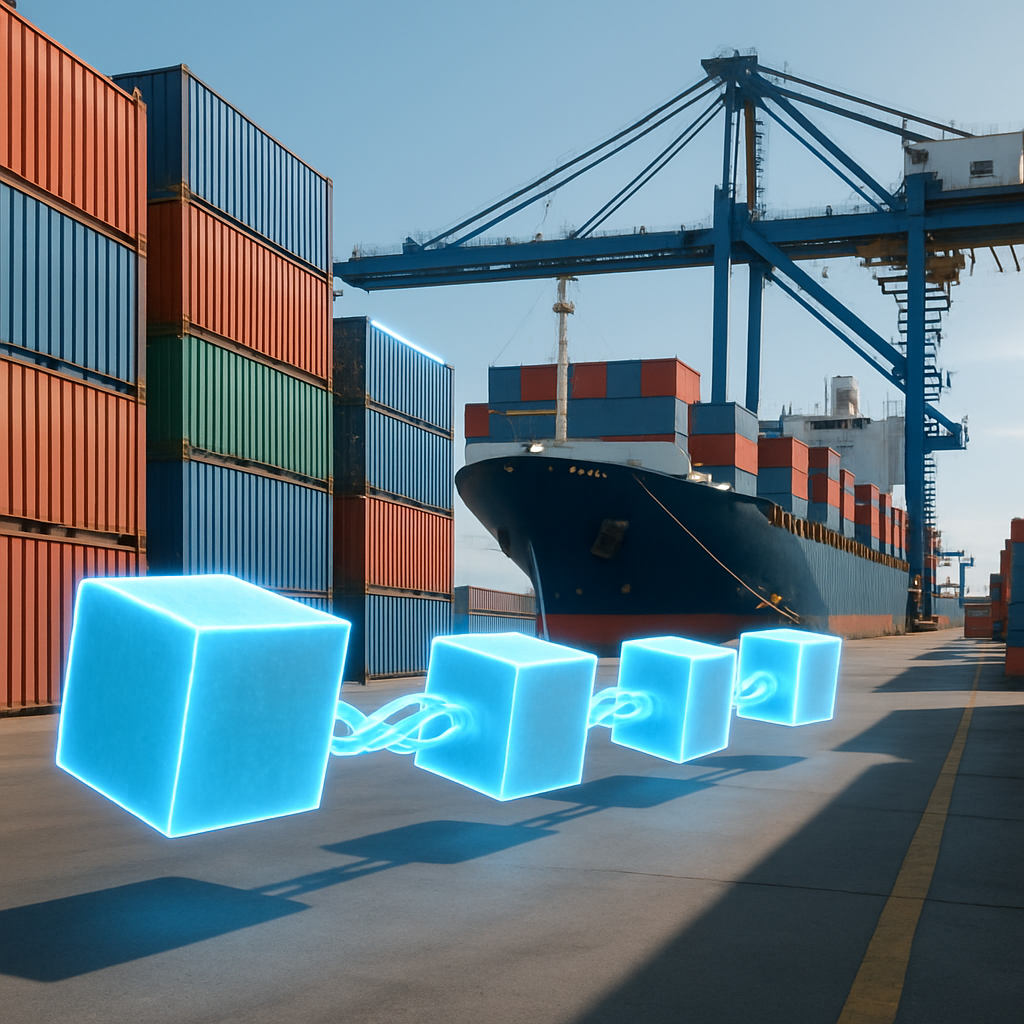
Transparency and efficiency: How blockchain is shaking up supply chain traceability
Blockchain technology has completely changed how we track and authenticate products moving through global supply chains. Right now, major corporations and organizations are leaning on blockchain to keep things transparent, secure, and running smoothly from the factory floor all the way to the end consumer. It acts as a rock-solid system to record crucial details—like where a product came from, how it was processed, and how it traveled. This wipes out a lot of the guesswork and makes end-to-end audits a breeze. It's no surprise that the market for blockchain traceability is blowing up, with estimates projecting it will hit over $55.31 billion by 2035. It’s quickly becoming the gold standard for digital transformation. [Source]
What exactly is blockchain in logistics, and how does it work?
At its core, a blockchain is just a decentralized digital ledger. It stores information in blocks that are linked together and validated by the network as a collective, which makes the data incredibly hard to alter or fake. When you apply this to logistics, every single event—whether a product is being shipped, received, or modified—gets logged as a transaction. It gets a clear timestamp and lists exactly who was involved, and everyone in the supply chain can see it in real time. The result? Much tighter, faster control over the whole process. You don't need as many middlemen, and you drastically cut down on human error and data tampering.
Because of this setup, both massive enterprises and smaller businesses can rely on a single, shared version of the truth for their day-to-day operations. They usually access this through cloud platforms, apps, or even their own internal servers. We’re already seeing it heavily used in the agribusiness, pharmaceutical, and tech sectors to double-check where raw materials come from, manage inventory, and guarantee a product is genuine before it ever hits the shelves.
Take Argentina's agricultural sector, for instance. Companies there have woven blockchain into their operations to provide a full history of their exports. It’s a great way to prove product quality and ensure they are meeting strict regulations, which is essentially a requirement if you want to compete globally today. Plus, doing this helps them cut costs, build trust, and speed up shipping times.
Real-world examples and use cases in the supply chain
You can see blockchain traceability at work every day across major industries. One of the most straightforward examples is using "smart contracts" to handle logistics movements. These are basically self-executing instructions written into the blockchain. For example, a smart contract might automatically release payment to a shipping company the second a delivery is confirmed. It stops arguments before they happen, gets people paid faster, and provides a clear, instant audit trail for both the buyer and the supplier.
Down in Latin America—specifically in places like Mexico, Chile, Colombia, and Brazil—we're seeing governments, universities, and private companies team up. They're using blockchain to certify the origin of agricultural goods, which streamlines exports and makes the products more valuable to international buyers. [See details] Another huge use case is in pharmaceutical logistics. Tracking medications from the manufacturing plant right to distribution helps keep dangerous counterfeit drugs out of the market and massively improves public health controls.
- Certification of origin: Exporters can use the blockchain's unchangeable records to prove to buyers that their goods meet international standards.
- Inventory management: Because every movement is logged the second it happens, it's much easier to keep tabs on stock, run preventive audits, and show partners or regulators exactly what's going on.
- Reduction of fraud and errors: Ditching paper trails in favor of digital validation prevents the kind of data manipulation and mix-ups that often plague international trade.
Advantages, challenges, and real-world business applications
The biggest win with blockchain is how it simplifies and digitizes logistics, even in industries that are famously bogged down by bureaucracy. This translates directly into smoother operations, lower administrative costs, and better relationships with international partners (who can just hop on a blockchain explorer to verify transactions for themselves).
That said, it’s not without its hurdles. Companies still have to figure out how to integrate this new tech, train their teams, and make sure it plays nice with their legacy platforms. Thankfully, solutions like mobile apps, Web3 platforms, corporate wallets, and custom APIs are making this transition smoother, opening the door for both SMEs and massive exporting organizations to get on board.
The most cutting-edge companies are taking things a step further by mixing blockchain with artificial intelligence. This combination can flag potential abnormalities before they happen, figure out the best shipping routes, and even use cryptocurrencies for fast, secure cross-border payments. It’s all about making global asset tracking smarter and less painful.
The future and trends of blockchain in global logistics
The market for blockchain traceability is on a serious hot streak, driven largely by consumer demands for sustainability and the overall need for transparency in international trade. Experts are looking at sustained growth rates of over 30% a year. We're also going to see more universal standards pop up, and the tech will likely expand into other areas like factory process automation and hyper-smart inventory systems.
Looking ahead, the focus will be on tying blockchain directly into accounting, tax management, and compliance systems. This will let businesses and governments handle audits in real time and spend way less time shuffling paperwork. Collaboration across international borders will be crucial here, especially for regions trying to boost their global manufacturing footprint.
At the end of the day, everyday consumers win out too. Thanks to tracking apps and intuitive online interfaces, buyers can easily look up the backstory of the things they purchase. It gives them peace of mind knowing their items are backed by state-of-the-art technological standards. [Market Analysis]
Breaking it down: Simple words and practical examples
If you want a dead-simple way to think about blockchain in logistics, picture a digital notebook. Every person touching the supply chain writes down what they did, but nobody is allowed to use an eraser to delete or modify a past entry. This naturally builds trust because anyone can flip through the notebook to see exactly what happened and when, tracing a product's journey from the factory right to your front door.
In the real world, you can see this in apps that track your morning coffee from a farm overseas right to the grocery store aisle, using smart contracts to verify every single batch. Companies are actively investing in blockchain developers to build custom tracking systems for everything from cars and clothes to food and electronics, ensuring they can actually back up their claims of "guaranteed traceability."
Compared to the old-school methods, blockchain takes a lot of the headache out of global logistics. It builds a transparent environment that actively fights off fraud, theft, and duplication, making businesses worldwide run far more efficiently.
Ultimately, using blockchain for traceability isn't just about modernizing logistics—it's about setting a new, rock-solid, and accessible standard for how we handle international trade and business management.