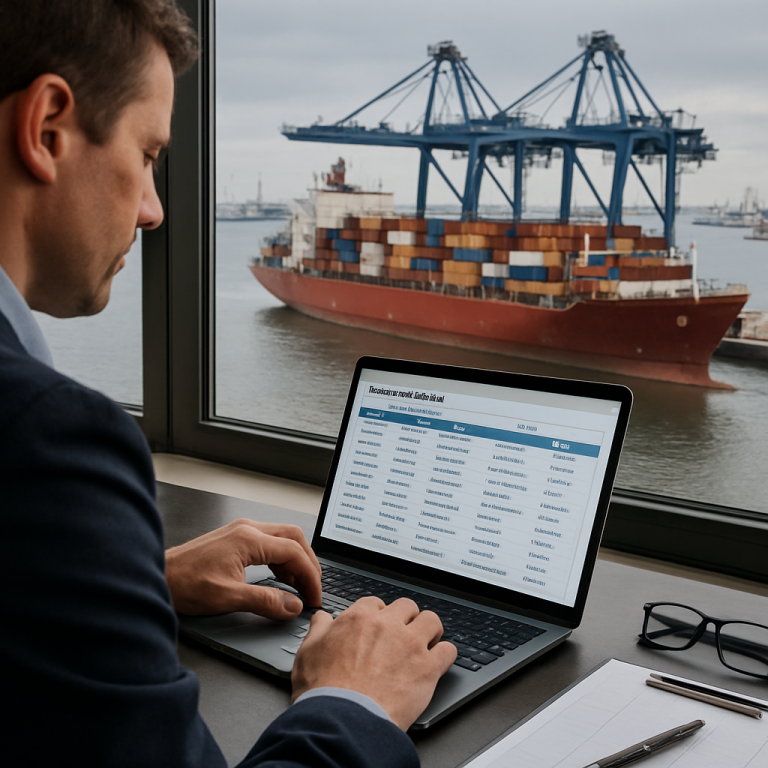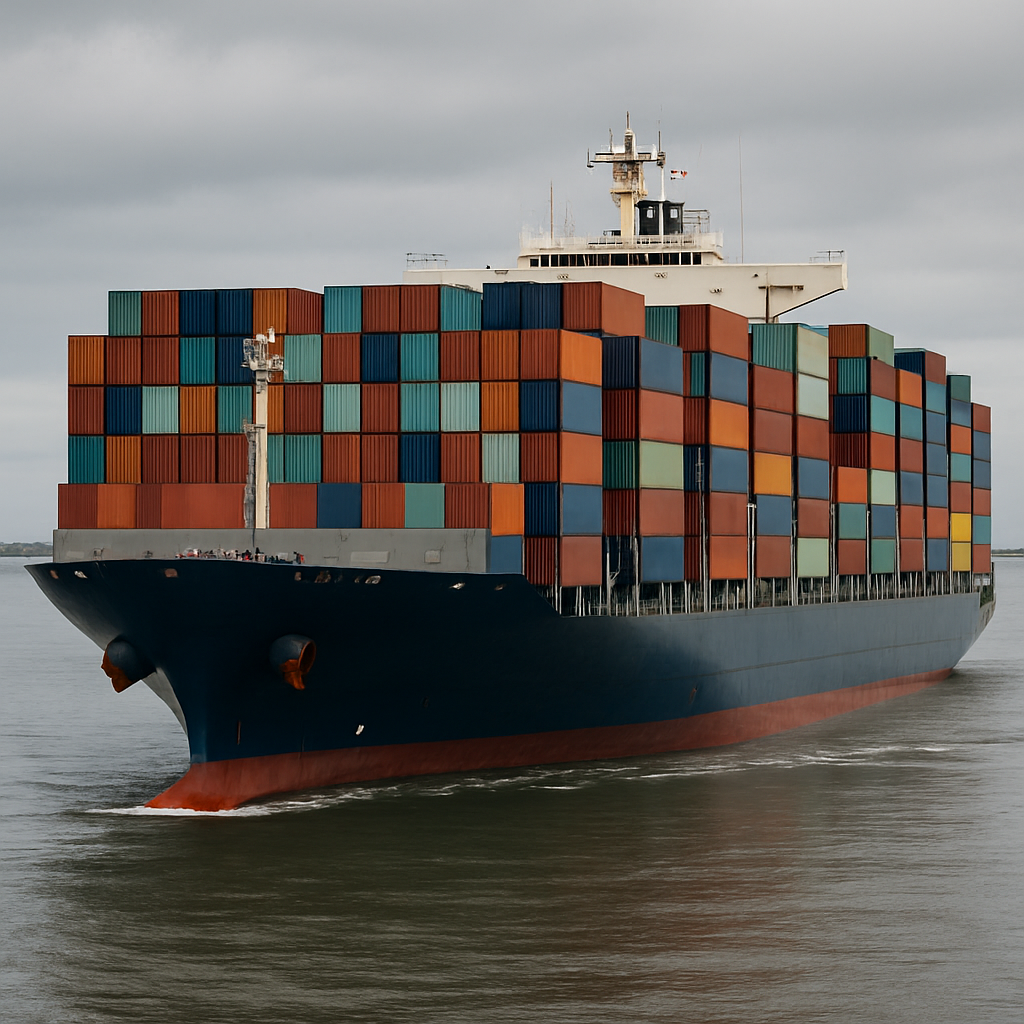
Cargo Container Ships: Capacity, Costs, and What Importers Need to Know
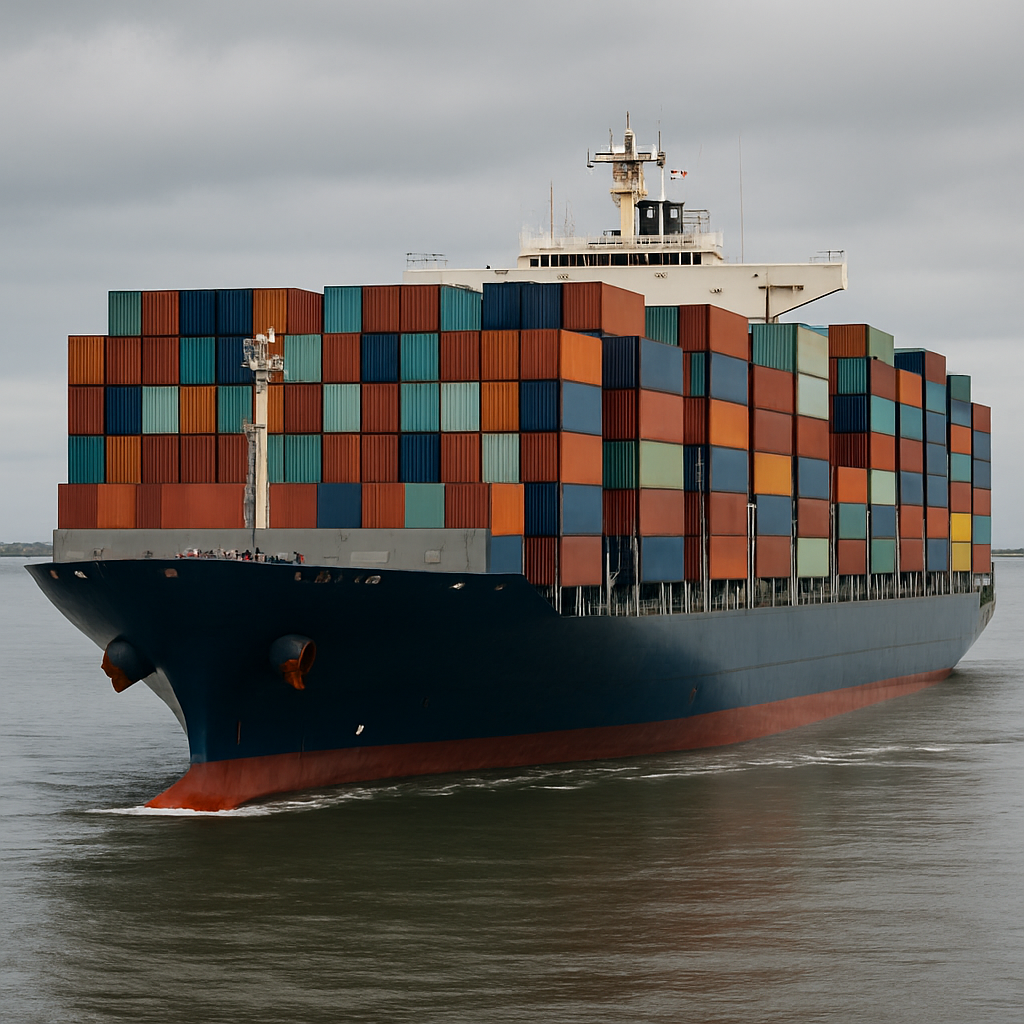
A cargo container ship is a specialised cargo vessel designed to carry standardised intermodal containers, usually measured in twenty-foot equivalent units (TEU). For an importer or exporter, the useful questions are not only how large the vessel is, but also whether your goods move as a full container load (FCL) or less-than-container load (LCL), what the freight quote includes, and who manages the port, customs, and inland hand-offs.
What Is the Difference Between a Container Ship and a Cargo Ship?
Cargo ship is the broad term for a vessel that transports goods by sea. It includes bulk carriers, tankers, roll-on/roll-off vessels, general cargo ships, and container ships. A container ship is one type of cargo ship, built around the handling and stowage of standard shipping containers.
On a container vessel, boxes can be carried in the cargo holds and on deck. This standardisation lets the same sealed unit move between ship, rail, and lorry with fewer cargo-handling steps. A useful plain-language distinction is set out in this explanation of cargo ships and container ships: the former is a category, while the latter is a vessel type defined by the containers it carries.
That distinction matters when requesting a quote. A forwarder may arrange space on a container ship, but the quotation can also include collection, export handling, documentation, customs brokerage, terminal charges, and delivery after discharge. For help deciding which party performs each role, see Export Import Academy’s guide to customs brokers and freight forwarders.
How Container-Ship Capacity Is Measured
Container ships are normally described in TEU, rather than by a simple count of physical boxes. One TEU represents the space taken by a 20-foot container. A 40-foot container generally occupies two TEU, so it is often described as a forty-foot equivalent unit, or FEU.
TEU is a capacity measure, not a promise that a vessel will carry that exact number of containers on every voyage. The mix of 20-foot and 40-foot equipment, the weight of the cargo, stowage requirements, and the planned ports of call all affect the number and combination of boxes loaded.
How Many 40-Foot Containers Can a Cargo Ship Carry?
There is no single answer because ships differ widely in size and their published capacity is usually stated in TEU. In simple space terms, a vessel rated at 10,000 TEU could accommodate the equivalent of roughly 5,000 40-foot containers if every slot were used by 40-foot equipment. Actual loading may be lower or use a mixed configuration.
At the top end of the market, commercial vessels can exceed 24,000 TEU, according to Tonlexing’s overview of container-ship capacity. That figure should not be read as a physical count of 24,000 identical boxes. It is a standardised capacity calculation, and a laden ship must also comply with stability, weight, and stowage limits.
For a shipper, vessel capacity is mainly relevant when space is tight or a sailing is rolled. Your booking confirms contracted space with the carrier or forwarder; it does not reserve an entire ship’s theoretical capacity.
How Much Do Cargo Ships Charge Per Container?
Container shipping is rarely priced as one universal amount per container. Ocean freight depends on the origin and destination ports, equipment type, FCL or LCL service, cargo weight, season, carrier capacity, fuel-related charges, and local terminal or documentation costs. Customs duty, import tax, insurance, trucking, and destination charges may sit outside the headline ocean-freight figure.
Route-specific quotations illustrate why comparisons need care. For example, BR Logistics’ container-to-Italy rate examples list different indicative prices by origin and distinguish 20-foot from 40-foot FCL equipment. They are not a general market rate and should be checked against a current written quote for your route and shipment.
When comparing quotations, ask the provider to identify:
- the loading and discharge ports;
- the container type and whether the quote is FCL or LCL;
- the validity period and any stated surcharges;
- which origin and destination handling charges are included; and
- whether customs clearance, duty, tax, cargo insurance, and inland delivery are excluded.
Importers moving goods from a common manufacturing market may also benefit from Export Import Academy’s explanation of shipping routes from China to the USA, including sea-freight choices. Route, port pair, and service design matter as much as the container size.
What Happens Between the Factory and the Cargo Container Ship?
A typical FCL movement begins when an empty container is released or positioned for loading. Once packed and sealed, it is returned to the export terminal or collected for delivery there. The carrier or terminal receives it before the vessel’s cut-off, and the box is loaded according to the vessel’s stowage plan.
After arrival, the container is discharged, made available through the destination terminal process, cleared as required, and collected for onward transport. Each stage can involve a different company: the ocean carrier, terminal operator, freight forwarder, customs broker, haulier, and consignee. The bill of lading and commercial shipping documents should match the shipment details provided for transport and import processing.
Large vessels do not call at every port. Cargo may be transhipped through a hub, moved to a smaller feeder vessel, or travel inland by rail or road after discharge. This is why the port named on a booking, the final place of delivery, and the vessel shown in tracking can be different locations.
Are Container Ships Armed Now?
There is no reliable general answer that every container ship is armed, and the supplied research does not establish a universal current armament policy. Security arrangements can depend on the operator, flag, route, insurance requirements, port rules, and applicable law. Do not assume that a vessel’s size, cargo, or presence on a high-risk route proves that weapons are carried.
If security affects your shipment, ask the carrier or freight forwarder about the route, contingency arrangements, war-risk clauses, schedule changes, and any cargo restrictions. Export Import Academy’s guide to dangerous shipping routes for international container vessels provides related context on route risk without treating security arrangements as uniform.
Practical Checks Before You Book Container Freight
Start with the goods, not the ship. Confirm the packed dimensions, gross weight, commodity description, dangerous-goods status where relevant, and whether a 20-foot, 40-foot, refrigerated, or other equipment type is suitable. Then obtain comparable quotes that use the same Incoterm, port pair, container type, and delivery scope.
A cargo container ship can move a vast amount of freight efficiently, but the commercial result depends on the details around it: a clear booking, accurate documents, a realistic cut-off plan, and a quote that identifies the charges outside ocean freight. Treat TEU as a capacity language, not as a substitute for confirming the equipment, service, and total landed cost for your own consignment.