Kaz Energy Trade: How Kazakhstan’s Oil and Petroleum Export Logistics Shape Global Imports & Exports
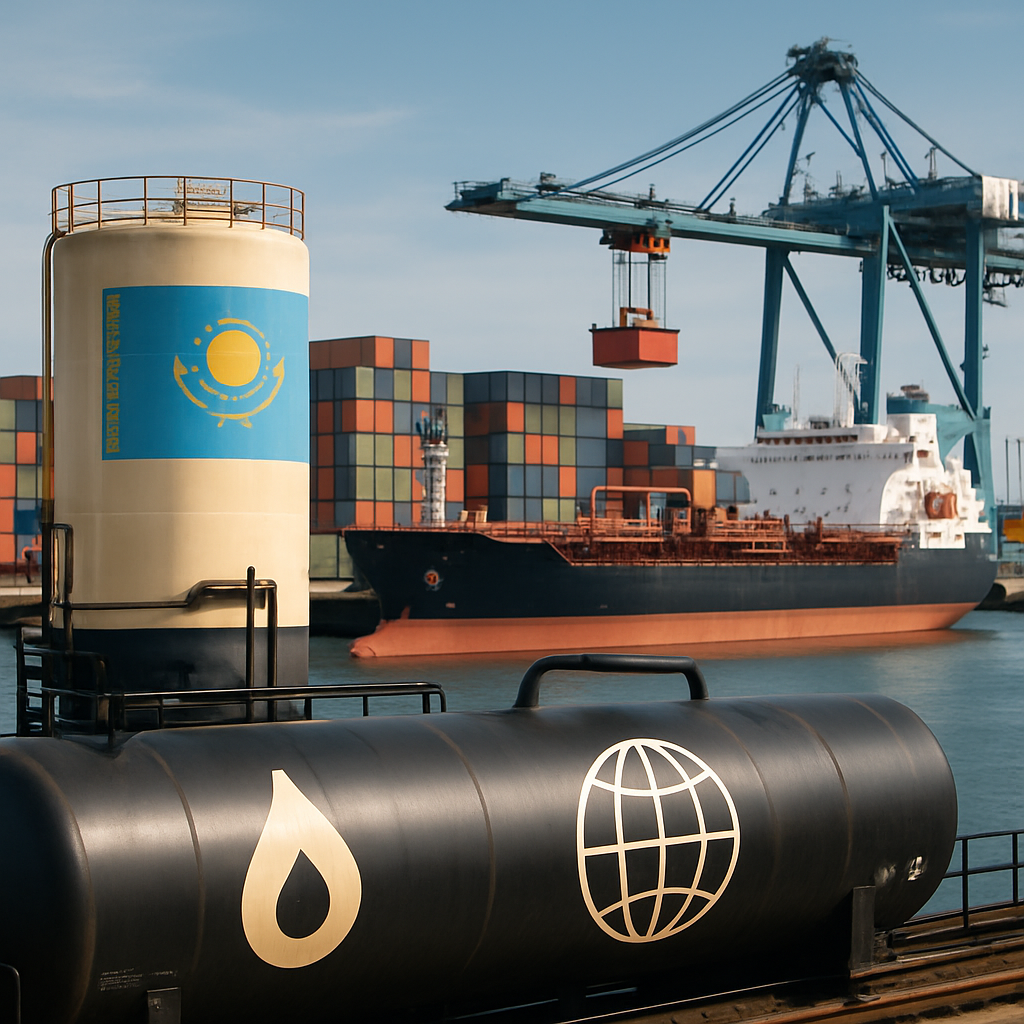
Kazakhstan’s Strategic Role in Global Energy Imports and Exports
Kazakhstan stands as a pivotal player in the international oil and energy trade, largely through its robust exports of crude oil and petroleum products. The reality is that effective logistics services, from trusted companies like C.H. Robinson, are fundamental in moving Kazakh oil exports efficiently to international markets. Without advanced transportation and logistics management, the country’s vast oil and gas resources could not reach the global demand centers that fuel economies from Europe to Asia. Reliable logistics not only drive Kazakhstan’s export income but also ensure importing countries receive stable energy supplies in a volatile global landscape. [Source]
Energy logistics are far more than simply moving barrels from point A to B. Companies specializing in this sector must manage intricate supply chains for oil, natural gas, refined fuel, and petrochemical products. Kazakhstan’s geographic position—landlocked between major markets—means that strategies must include cross-border rail, pipeline, and multi-modal transit to reach customers efficiently. Success depends on partners with expertise in energy logistics, scenario modeling, and networked relationships to overcome regional bottlenecks and geopolitical barriers.
For importers, Kazakhstan’s role as an energy exporter ensures a diverse supply base—especially critical for nations seeking to reduce their dependence on Russian gas or Middle East oil. Import statistics by country and year show that Kazakh oil flows shape the balance of energy trade, impacting everything from pricing trends to domestic energy security in importing nations.
Export Logistics: Connecting Kazakh Crude and Products to Global Markets
Efficient export logistics are the backbone of Kazakhstan’s thriving energy sector, powering not just national prosperity but also securing its role in the global energy market. Major players such as Kazmunaygas, Kazenergyoil, and Kazpetrol Group coordinate with international logistics firms to ship crude oil, gas, and refined products to refineries and consumers worldwide. The precision and resilience of these supply chains directly influence Kazakhstan’s export volumes and the reliability of shipments to energy-hungry regions.
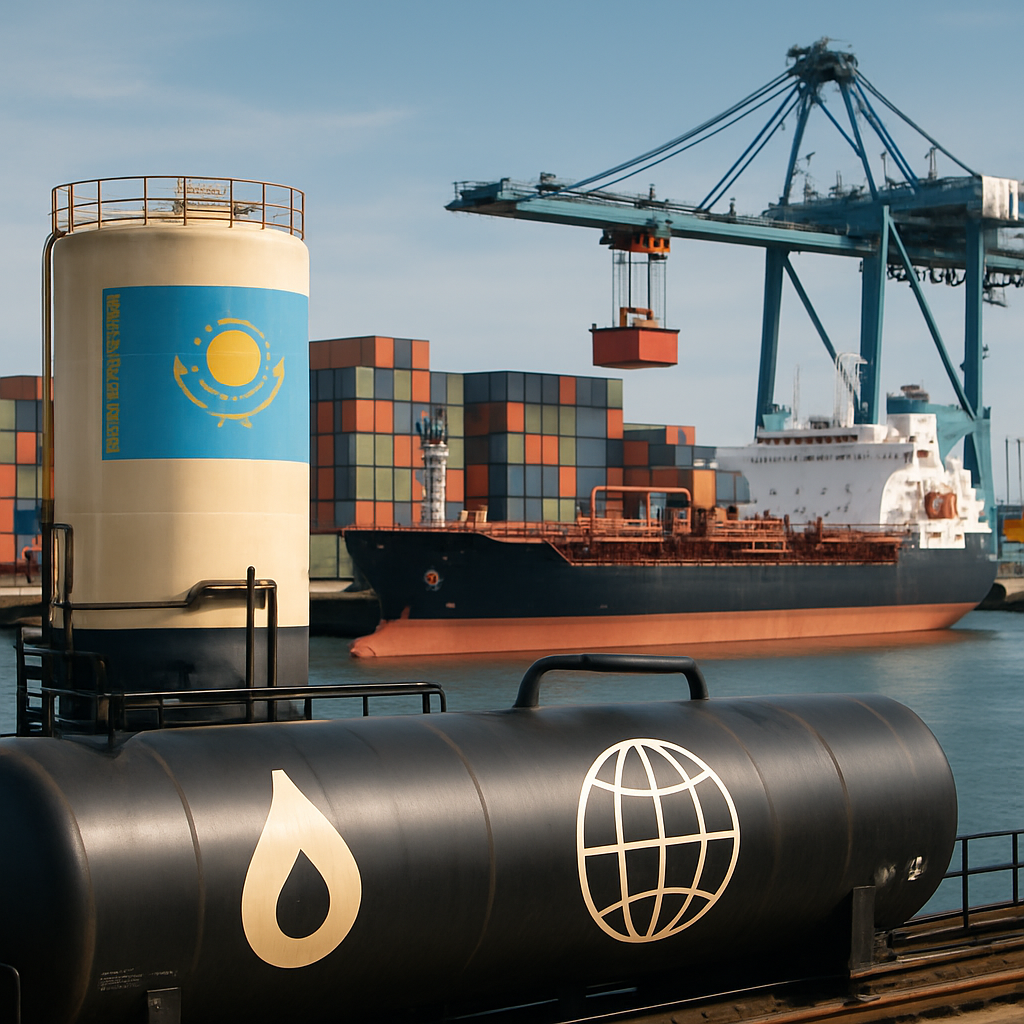
Export logistics include multimodal transport modes—pipelines, railways, and maritime networks—helping Kazakh exporters bypass landlocked limitations. The Caspian Pipeline Consortium (CPC) remains a critical artery, channeling crude to Black Sea ports for subsequent shipment to Europe and beyond. Firms such as KazTrans Petroleum manage in-country logistics, while international partners provide last-mile delivery to end destinations.
Kazakhstan’s export strategies also involve customized logistics solutions that address each project’s unique demands. Industry leaders like C.H. Robinson offer scenario modeling, end-to-end visibility, and project management to ensure every export meets international standards for safety, quality, and timing. Scenario planning is vital in a market where pipeline disruptions, trade embargoes, or sudden shifts in global demand could otherwise stall energy flows.
Import Profile: Kazakhstan’s Place Among Global Exporters and Importers
Although Kazakhstan is predominantly an energy exporter, understanding what it imports—and who relies on its exports—provides critical insight into global trade dynamics. While the nation exports substantial volumes of gas and crude, its refining sector occasionally imports oil blends or high-value refined products to meet domestic needs or blend for export. These imports are orchestrated through robust supply chains and managed by logistics experts who ensure compliance with global standards.
On a global level, Kazakhstan is a net exporter of gas and petroleum, with the majority of exports destined for China, Russia, and European Union countries. Analyzing international import data reveals shifting dependence rates: as some countries reduce reliance on Russian crude, Kazakhstan’s share of their imports increases—as evidenced by trade flows in 2023 and projections for 2024-2026. Such trends have implications not just for Kazakhstan’s export revenues but for the energy security strategies of importing nations.
According to DHL’s global logistics analysis, efficient coordination between exporter and importer countries determines how quickly and cost-effectively energy products reach their final market. This technical orchestration plays a defining role in keeping international supply chains both resilient and adaptable amidst changing geopolitical tensions and evolving trade agreements.
Efficient Energy Transportation: Reducing Costs and Improving Security
Efficient transportation is the linchpin of Kazakhstan’s energy trade. From pipeline operators such as KazTrans to integrated logistics jobs that coordinate multi-country shipments, each step is designed to move energy products smoothly across borders. For instance, overland railways to Russia and pipelines to China allow Kazakhstan to tap diverse export markets, reducing dependency on any one trade route or partner.
When assessing what makes energy transportation solutions “efficient,” two factors stand out: reliability and risk mitigation. Reliable routes—supported by customized logistics services and advanced scenario planning—ensure shipments of crude, gasoline, and natural gas meet international demand on time. Safety protocols, compliance checks, and quick-response disaster recovery plans are vital in minimizing accidents or disruptions across this high-stakes industry.
Innovative examples include the adaptation of digital tracking systems and customized import/export products, which allow stakeholders to monitor the movement of energy cargoes in real time. Such visibility makes it possible for both Kazakh exporters and foreign importers to optimize costs and precisely match shipments with changing consumption patterns around the world.
Energy Trade and Global Consumption: How Imports and Exports Shape Markets
Global consumption of gasoline, diesel fuel, and natural gas is tightly linked to Kazakhstan’s export capability and logistics performance. Countries that buy Kazakh oil—such as the European Union, China, and Turkey—base a significant proportion of their energy supply on consistent import flows through trusted logistics networks. These relationships become even more important as nations adjust their energy strategies in response to regional supply shocks or policy shifts.
As Kazakhstan expands its footprint in the energy trade, the percentage of U.S. or European imported oil derived from Kazakh sources may increase, especially where market trends show rising demand for non-Russian or non-Middle Eastern suppliers. This shift is quantifiable: import statistics by country and year reveal not just the volume but the growing share of Kazakh oil in select markets, affecting everything from spot prices to energy security.
- Proportion of Consumption: Nations tracking the precise proportion of Kazakhstan-origin products in their overall fuel mix gain visibility into supply risks and can adjust import sources as needed. For instance, energy-reliant countries often diversify their import portfolios, using Kazakh crude to reduce market volatility.
- Dependency Rate: Countries with a high dependency rate on Kazakh energy must develop robust partnerships with logistics companies to ensure uninterrupted flows. Strong relationships with firms like C.H. Robinson and DHL mitigate risks, stabilize supply, and help respond quickly to geopolitical changes.
The result is a highly interconnected energy market, shaped by Kazakhstan’s ability to export efficiently and the global trade networks that carry those products to every corner of the world.
Innovation and the Future: Logistics Services, Technology, and Changing Export Trends
The future of Kazakhstan’s energy trade rests on its ability to modernize logistics and embrace new technologies. Companies like C.H. Robinson and DHL are introducing advanced scenario modeling, AI-based tracking, and managed solutions that give energy exporters and importers an analytical edge. Such innovations help firms predict potential bottlenecks, streamline customs clearance, and anticipate market shifts—ensuring Kazakhstan remains competitive in international trade.
Upgrades in logistics management are essential as global demand increasingly focuses on both fossil fuels and renewable energy sources. Firms that can adapt their logistics jobs to serve not only the oil and gas sector but also new forms of energy exports—such as refined biofuels—will help Kazakhstan extend its influence as an energy supplier.
As trade policies evolve through 2024, 2025, and beyond, Kazakhstan’s commitment to efficient energy exports, powered by reputable logistics companies, will define its global trade trajectory and help shape the world’s access to critical resources. Proactive adaptation, investment in infrastructure, and alliances with international logistics leaders position Kazakhstan to remain a cornerstone of energy supply for decades to come.
Reliable, resilient logistics ensure Kazakhstan’s oil and energy exports meet global demand, connecting supply to markets everywhere with efficiency and security.