How Iran’s Control Over the Strait of Hormuz Disrupts Global Shipping, Freight, and Maritime Logistics
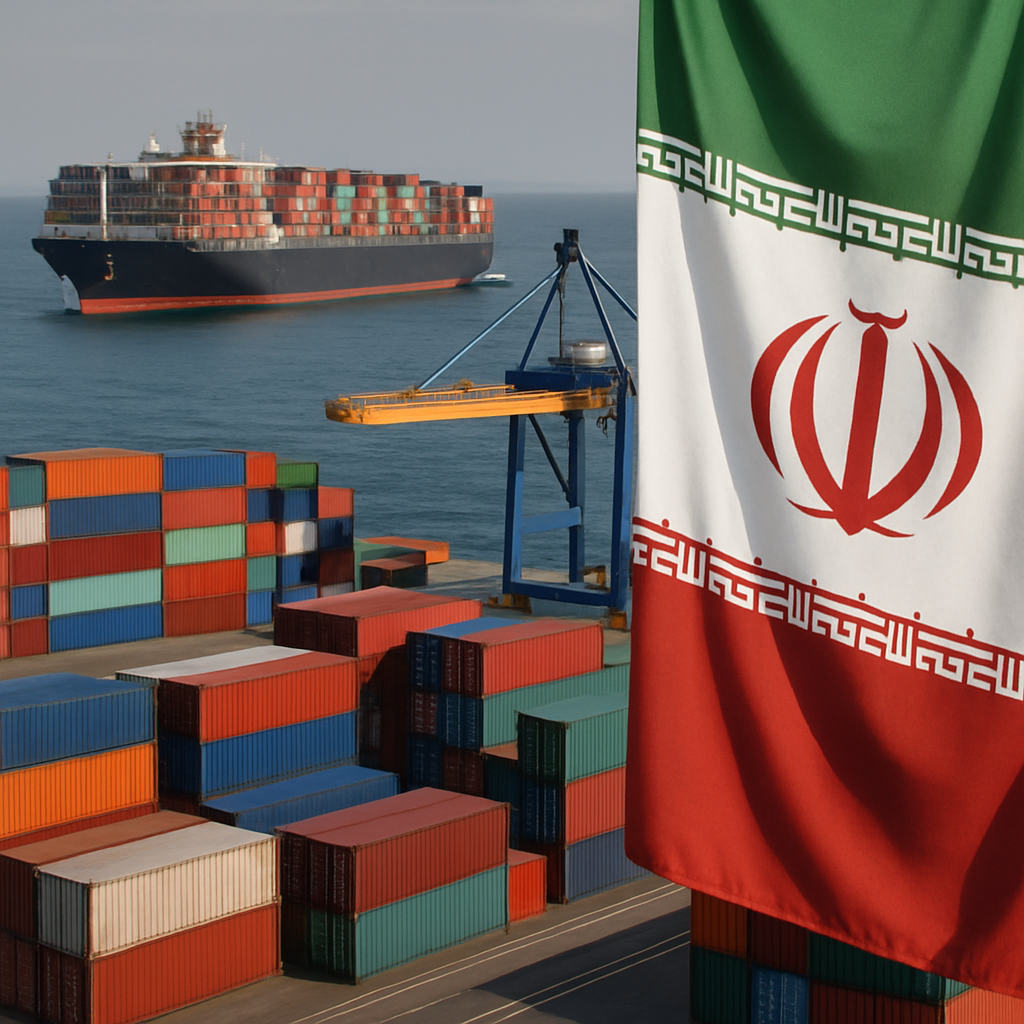
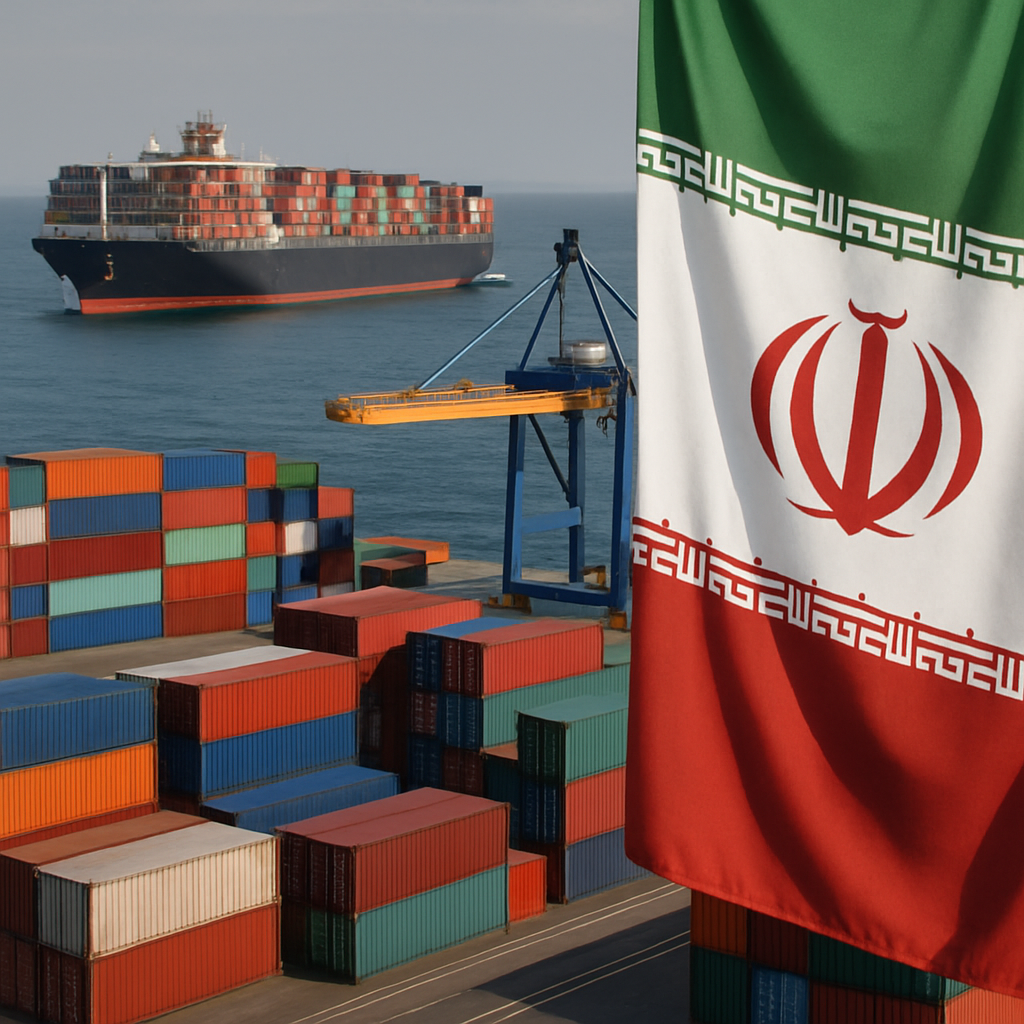
The ongoing disruption of the Strait of Hormuz by Iran marks a dramatic shift in global shipping and maritime trade routes, immediately impacting ocean freight, supply chain logistics, and the transportation of goods worldwide. As one of the most strategic maritime arteries—responsible for a significant portion of the world’s oil and energy flows—the Strait now faces not just slowed traffic, but the risk of persistent instability that threatens the efficiency, cost, and reliability of shipping companies, shipping schedules, and container logistics. Market watchers, businesses, and governments must rapidly adapt to these new realities, given estimates that expectations of traffic normalization by August 31 have already fallen significantly (Crypto Briefing: Iran asserts control over Strait of Hormuz).
Strait of Hormuz Shipping Crisis: Global Ocean Freight and Maritime Route Instability
The Strait of Hormuz is a linchpin for global maritime shipping, with approximately one-fifth of internationally traded oil transiting these waters. Iran’s assertion of control—and the ensuing blockade—has already disrupted established shipping routes, causing concerns for shipping companies in regions as far-flung as Dubai, India, and the United States. Freight rates for vessels transiting the Arabian Sea and Persian Gulf have spiked as insurance premiums climb and operators reroute vessels to avoid risk, increasing transit times and costs for goods moving between Asia, Africa, and the West.
This disruption impacts both container cargo and bulk shipping, with knock-on effects rippling through logistics and transport sectors from supply chain management in Vancouver, Canada, to ocean freight providers in Dubai and the Philippines. Companies supplying vessel schedules or cargo forwarding services are required to constantly update tracking capabilities and adapt to ongoing blockades, long delays, and a sharp rise in logistics rates. For communities and markets relying on steady marine solutions, the situation highlights vulnerabilities even in the world’s most established shipping lanes.
Further complicating matters are the geopolitical layers between Iran, the United States, and Israel. Tensions in the region have escalated since earlier this year, stoking uncertainty and volatility in global shipping markets. The Strait of Hormuz crisis is no longer perceived as a localized problem, but as a global challenge affecting market stability, energy prices, and marine trade flows, thus underscoring the importance of timely and flexible transportation solutions.
Impact on Supply Chain Management and Maritime Companies: Solutions and Market Response
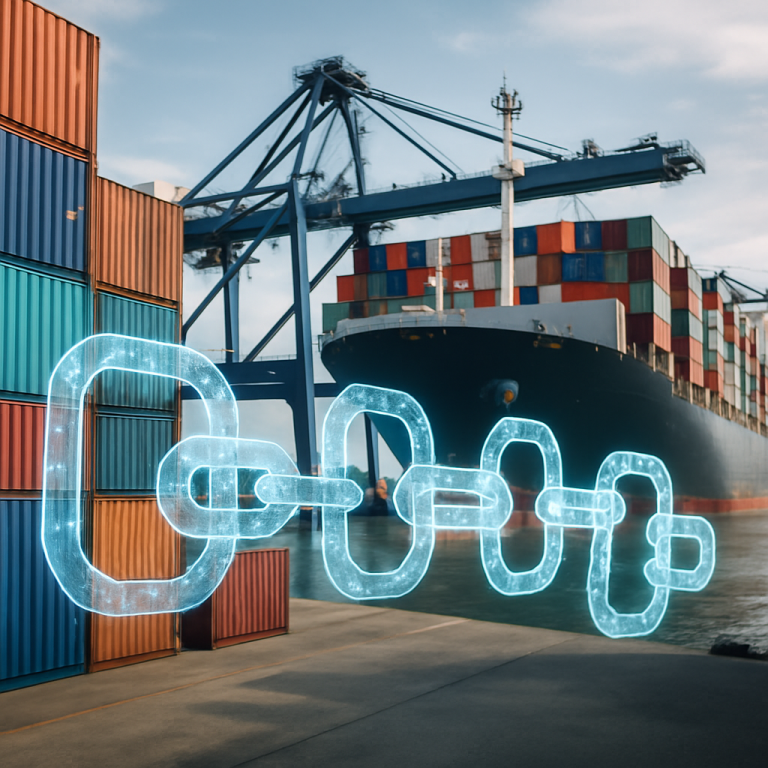
Blockades and disruptions in the Strait have forced marine logistics operators, ocean freight companies, and shipping associations to rethink best practices for supply chain management. Many have implemented crisis protocols, activating alternate vessel schedules and leveraging digital tracker systems to monitor ship locations in real time. Companies with a global footprint—from logistics giants in Mumbai and Bangalore to technology-enabled firms in the UK and Singapore—have started integrating advanced supply chain management platforms, with support from blockchain-based solutions for increased transparency and traceability.
Adaptation has come with significant costs. Forwarders and vessel operators in strategic hubs like Tuticorin, Coimbatore, and Melbourne grapple with fluctuating container sizes, limited vessel capacity, and challenges sourcing suitable shipping solutions from partners or association networks. Furthermore, end-to-end logistics between key ports, including those in South Africa and Trinidad & Tobago, now require more complex risk evaluation and coordination, often involving increased communication and oversight between marine companies, logistics planners, and governmental authorities overseeing maritime governance.
Industry leaders stress the importance of resilience and flexibility, urging maritime companies to diversify route planning, enhance cargo tracking, and invest in technologies that support uninterrupted trade flow. These changes cascade all the way to shipping rates, with companies needing to reassess pricing, offer quicker quotes, and provide transparent phone support to maintain trust in uncertain times.
Technology and Innovation: Blockchain, Shipping Trackers, and Supply Chain Transparency
In the wake of these disruptions, the necessity for more robust shipping technology, end-to-end blockchain integration, and real-time vessel schedule transparency is clearer than ever. Blockchain-based food traceability has already proven effective in sectors such as dairy, and similar technology is being rapidly deployed for systematic review and tracking of marine cargo across vessels worldwide. Marine companies and shipping associations are evaluating GitHub-enabled tracker systems, supporting open-source projects and PPT-led integration workshops for operational efficiency.
Courses, case studies, and literature on logistics technology are proliferating, with research papers highlighting market cap shifts for major logistics firms in response to these new maritime challenges. As organizations in the dairy sector and other industries demonstrate, operational innovation is not limited to physical rerouting—it increasingly involves strategic use of data, AI-driven efficiency, and collaborative solutions between port terminals, customs, and international marine associations.
By relying on blockchain-enabled tools, companies are reducing friction, increasing timeliness, and not only adjusting to current disruptions but preparing for the next phase of maritime volatility, ensuring continued flow of goods amidst persistent uncertainty.
Shipping Rates, Container Sizes, and Logistics Terms: Adapting Freight Economics in a Blockaded World
Changes in shipping patterns have a direct, tangible impact on container rates, logistics costs, and contract terms for global importers and exporters. For instance, shipping companies operating routes between the USA, New Zealand, and the Middle East are reporting shifts in vessel schedule commitments and a higher demand for premium freight options as standard schedules become unreliable. Freight near ports such as Vancouver and Dubai, or connecting Trinidad to Puerto Rico, often comes at a premium, challenging smaller logistics firms to remain competitive.
Tracking and forecasting container capacity, volume, and optimal box sizing have never been more critical. Shipping service calculators, vessel capacity trackers, and quote management tools are being adopted widely, promoted by both large associations (like those in Melbourne or York) and smaller logistics providers in Hyderabad or Pte. The increased transparency these systems provide allows cargo & forwarding LTDs and maritime businesses to offer improved service even as route uncertainty persists.
Clients now expect real-time tracking, transparent cost structures, and adaptable shipping solutions. This new normal, defined by an ever-changing threat horizon in the Strait of Hormuz and beyond, has forced a shift in the market, with companies reimagining how they provide reliable quotes, maintain vessel schedules, and manage logistics across borders.
Global Market Implications: Governance, Marine Policy, and Economic Impact
Iran’s continued grip on the Strait of Hormuz is not only a maritime governance challenge—it is a wake-up call for global business, policy makers, and shipping culture. City economies, multinational business cultures, and village communities—especially those reliant on trade, such as those along the coasts of Europe, Asia, and Africa—face direct consequences as energy and raw material shipments falter. Corporate strategy meetings, from logistics LLCs in the USA to unbreakable defense summits in Asia, increasingly include marine policy and supply chain risk at the top of executive agendas.
The response from global governance bodies focuses on both immediate security measures and longer-term solutions: including the negotiation of safe global shipping corridors, investment in alternative logistics hubs, and the strategic expansion of marine community challenges to address not only current disruptions but also lingering climate change issues within ocean shipping (read more on supply chain and maritime challenges here). Economic ripple effects continue globally, making marine inequality and the need for inclusive governance salient topics for the foreseeable future.
Ultimately, the persistence of the Strait’s closure and Iran’s firm stance have ensured a significant turning point for global shipping, logistics markets, and the future of ocean freight. Industry observers must watch for continued adaptation, policy innovations, and the gradual evolution of technology in marine logistics as the world navigates this era of uncertainty and change.