What to Know About Document Compliance and Customs Clearance in Logistics Shipping Costs
 Import Export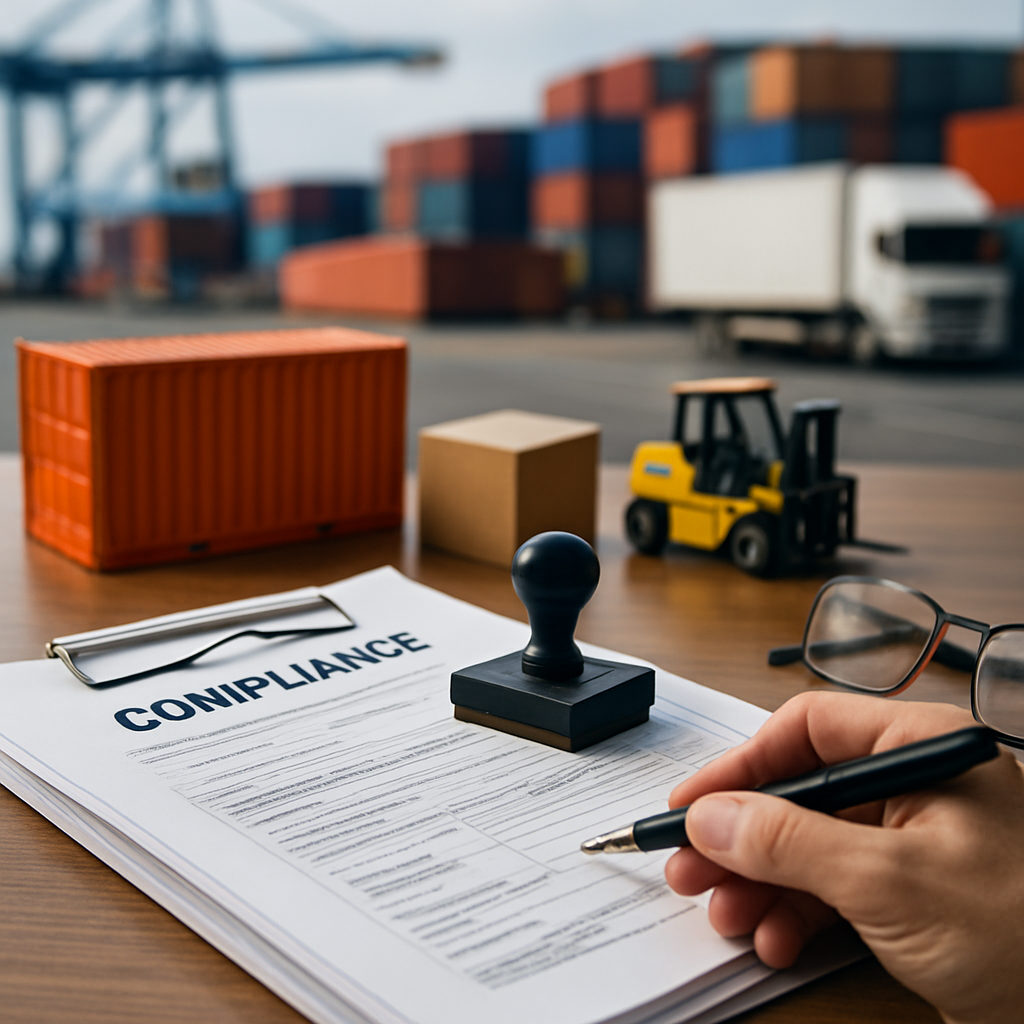
If you want your shipments to clear borders swiftly and avoid costly delays, document compliance and customs clearance are non-negotiable. The process comes down to submitting the right paperwork, paying applicable duties, and proving your goods match the legal requirements for import or export. Getting these steps right saves money and keeps your supply chain moving; mistakes, on the other hand, can hold up shipments, incur unexpected costs, or even lead to goods being seized.
What Are the Essential Documents Required for Customs Clearance in the U.S.?
Your entry into the U.S. market depends on several key documents. Typical requirements include the commercial invoice, bill of lading, packing list, certificate of origin, and relevant import licenses or permits. Every item must be accurate—discrepancies invite inspection and delays. Getting these five essential documents in order is the backbone of hassle-free customs clearance.
The commercial invoice stands out as the core piece. It shows transaction value, shipper and consignee details, and product descriptions. Customs officials scrutinize it to determine the correct duty and assess conformity with regulations.
Other documents further substantiate your shipment. The bill of lading acts as the contract between shipper and carrier. If you’re shipping under a trade agreement, a certificate of origin could cut your tariffs. Some imports require federal licenses—these need early procurement to prevent stuck shipments.
If you want a smooth process, double-check that every form matches the actual goods and shipment details. Consider using a digital document management platform or working with a customs broker to avoid errors.
How Does Document Compliance Impact Customs Clearance Costs?
Sharp document compliance directly lowers your customs clearance cost. Missing, inaccurate, or incomplete paperwork can trigger extra inspections, fines, or storage fees while goods sit idle at border checkpoints. Over time, these small mistakes can pile up dramatically.
Fees hinge on tariffs assessed from invoice values and cargo types. If officials doubt your documents, they might calculate ‘liquidated damages’ or reclassify your goods into pricier tariff brackets. You may also face demurrage charges, which accrue for each day your cargo is delayed.
Investing in digitized records or a software template can also reduce compliance errors. For companies regularly importing or exporting, having a customs clearance template helps ensure each document is filled consistently with required legal data, lowering human error risk.
Remember, the cost of non-compliance is almost always higher than that of well-prepared documentation. A little extra vigilance up front leads to lower spend in the long run. Streamlining compliance efforts is a proven way to optimize logistics costs throughout your supply chain.
Why Are Templates and Examples Useful for Document Compliance and Customs Clearance?
Having access to valid document templates and examples can radically simplify the customs process. These resources walk you through exactly what data fields are needed, which signatures are required, and common industry terminology.
Templates help you replicate correct formats—especially for documents like commercial invoices or packing lists that customs officials see daily. These models help prevent overlooked fields and reduce variations that might cause suspicion.
Real-world examples, especially in PDF format, let teams learn visually. They are useful training tools and act as a reference on how to categorize goods, declare value, or disclose country of origin. Some customs brokers even provide downloadable PDFs tailored to specific products or routes, minimizing the chance that legal details get missed.
How Does Customs Clearance Differ for Export Shipments?
Export shipments don’t follow the exact same rules as imports. When exporting, your focus shifts to showing the goods’ origin, obtaining any necessary export permits, and declaring compliance with U.S. export controls or trade sanctions. These extra steps protect against wrongful shipment of restricted or sensitive goods.
For most exports, the commercial invoice, shipping bill, and export license (if needed) form the main documentation. Some destinations require consular invoices, which should be checked in advance. The U.S. also employs automated systems for filing export information, like AESDirect, to tighten accuracy and compliance.
Exporters should stay alert for destination-specific requirements—including special labeling or paperwork. Teaming up with logistics and compliance pros can help clarify what is necessary for each route. To avoid common pitfalls, lean on guides from logistics partners to make sure your exports stay compliant from warehouse to overseas arrival.
Incomplete documents or missing export declarations can cause customs to halt goods before they ever leave the country. Always check both home and destination country rules before your cargo is loaded for export.
What Role Does Logistics Play in Efficient Document Compliance?
Efficient logistics go hand-in-hand with solid document compliance. Logistics partners—or experienced customs brokers—can refine your document flow, ensure records are consistent, and alert you when regulations change.
They often run internal audits to verify that values, nomenclature, and cargo details are reflected consistently on every form and regulation. This cross-check is especially important for companies juggling complex, multi-country shipments.
Digitally centralizing all documents keeps everything aligned for smooth clearance. Automation tools can notify your team about missing data and generate required PDFs for each shipment. Coordinating closely with your logistics provider often leads to a more predictable, less stressful process—increasing transparency and reducing last-minute surprises.
Ultimately, a robust approach to document compliance isn’t just about clearing customs; it’s about enabling your entire freight operation to run faster and more cost-effectively.
In summary, document compliance and customs clearance are the backbone of international logistics. By understanding what paperwork is needed, using accurate templates, and working closely with logistics experts, you make sure your goods cross borders efficiently—and keep unnecessary costs to a minimum.
One thought on “What to Know About Document Compliance and Customs Clearance in Logistics Shipping Costs”