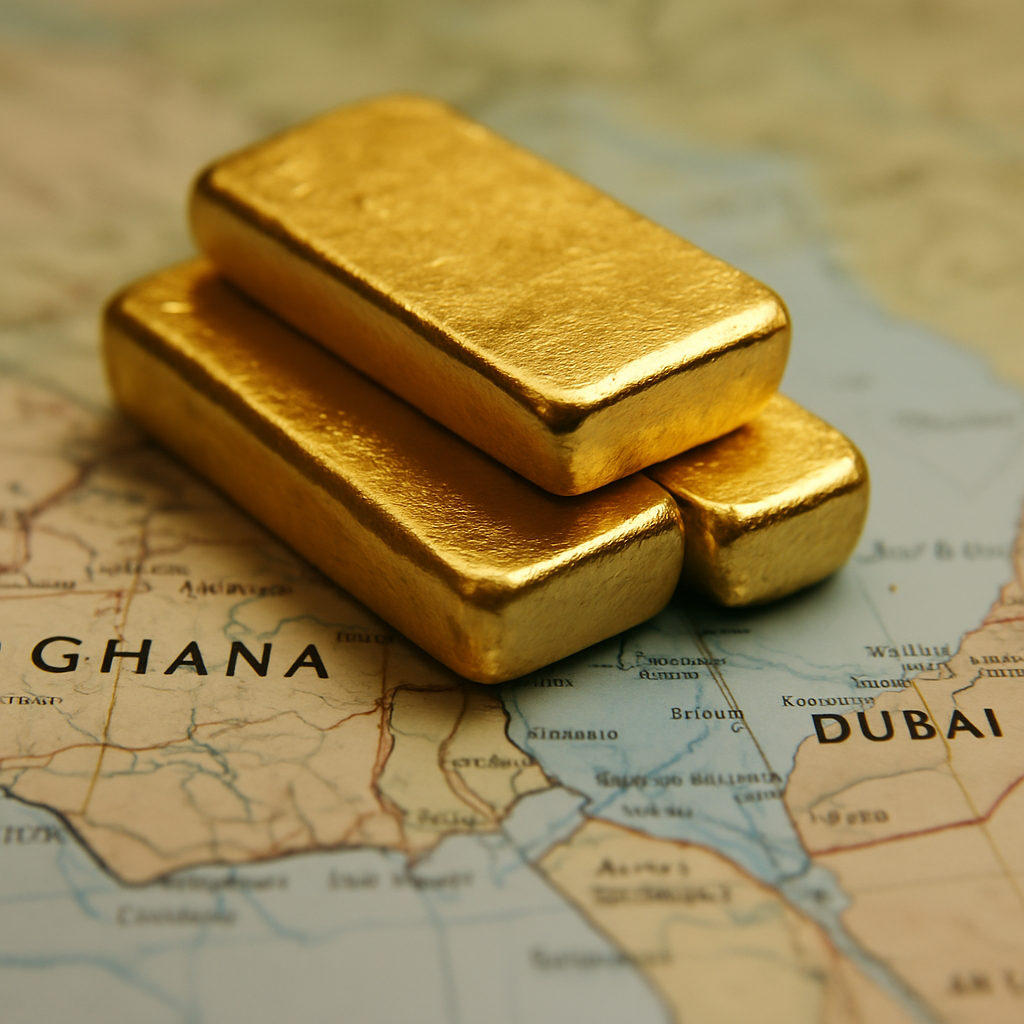
How to Export Gold from Ghana to Dubai: Price, Cost, and Import Insights from Africa
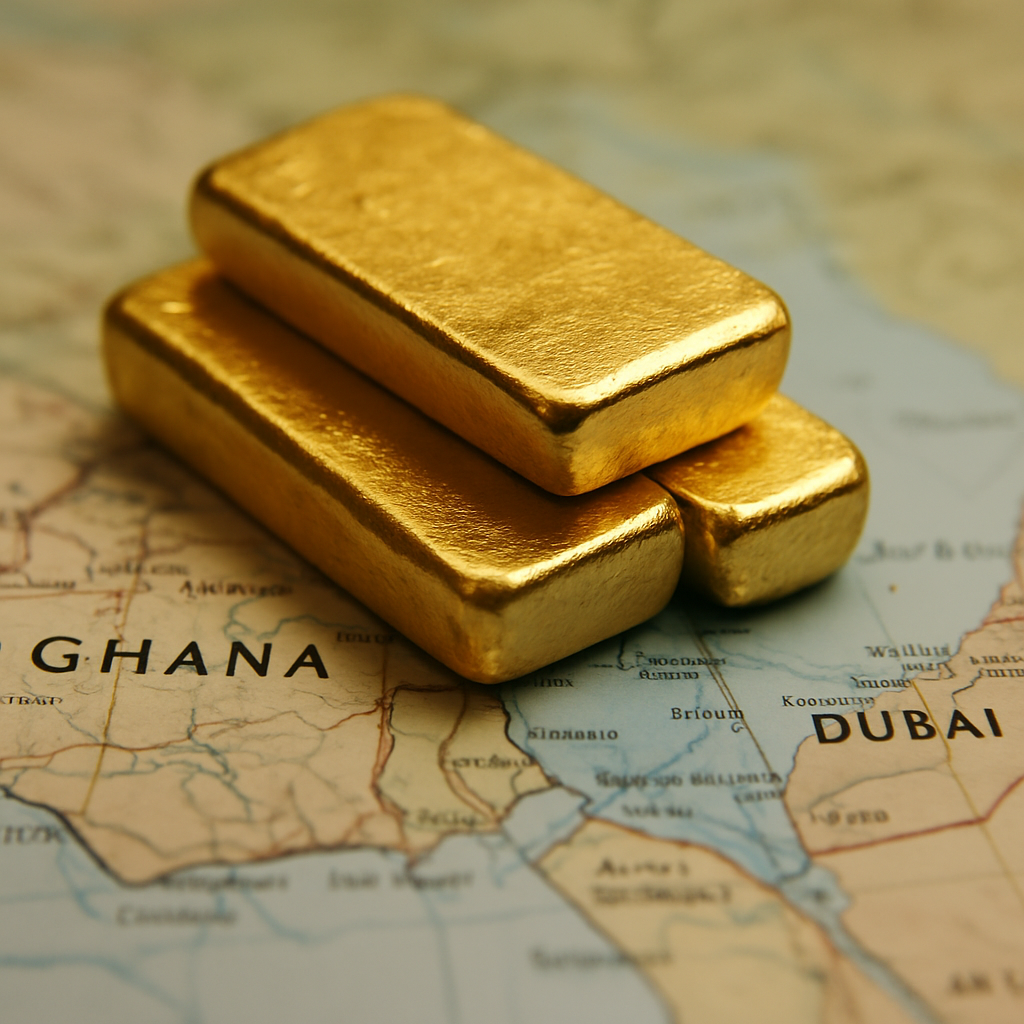
Exporting gold from Ghana to Dubai is a major part of Africa’s gold trade, and understanding the process, costs, and market dynamics is essential if you want to get involved. In short, shipping gold from Ghana to one of the world’s biggest gold hubs—Dubai—requires strict adherence to export regulations, involvement of licensed entities, and a clear understanding of market prices and logistical hurdles. The rest of this guide will clarify the actual costs, how shipping works, Dubai’s role in the gold market, and where the UAE gets its gold.
What Are the Main Costs and Price Factors When Exporting Gold from Ghana to Dubai?
The main costs when exporting gold from Ghana to Dubai include the purchase price of gold, government royalties, taxes, export permits, insurance, shipment logistics, and destination import duties. These costs can fluctuate depending on market prices and global demand for gold.
Gold’s export price from Ghana hinges on the daily international gold price, minus deductions for local royalties and taxes. Ghana imposes a royalty on all gold exports, typically ranging between 3-5% of the FOB (Free on Board) value. Exporters also pay fees for permits and paperwork through the Precious Minerals Marketing Company (PMMC), Ghana’s state-run gold exporter. According to a Reuters article on Ghana’s gold export infrastructure, disruptions like flight delays can affect gold shipments and related expenses.
Shipping and insurance further add to your export cost, and you may have to pay customs duties or value-added tax upon import to Dubai. For large-volume exports, these figures quickly add up. Always verify current rates and fees with both Ghana’s PMMC and UAE customs before initiating any transaction.
Market demand and global pricing can also impact the final figures. When gold prices surge, transaction costs often follow. Staying informed via commodity news and official sources is essential.
How Do You Import Gold from Africa, Specifically Ghana, to Dubai?
Importing gold from Ghana to Dubai requires the exporter to hold a proper license, follow both Ghanaian and UAE legal procedures, and use recognized documentation and transit channels. Usually, Ghanaian authorities—especially the PMMC—are involved in verifying and certifying legitimacy before any gold leaves the country.
The general process begins with sourcing gold from an approved mine or supplier in Ghana. The gold must first be assayed and certified by PMMC, ensuring quality and origin. Next, obtain all necessary export permits and clear mandatory taxes and royalties. The gold is then securely packaged and shipped, usually by air, with customs documentation included.
On arrival in Dubai, importers must present all export documents, customs declarations, and proof of payment of duties and taxes. The goods clear UAE customs and, if compliant, can be released for sale or refining. Thorough record-keeping and legal transparency help prevent shipment seizures or delays, especially in light of rising international scrutiny of gold flows from Africa to the Emirates, discussed in the ScienceDirect analysis of Africa-UAE gold trade.
Many Dubai-based refiners and traders demand assurance about gold provenance, given increased regulations aimed at curbing smuggling and ethics violations. Performing due diligence both at the origin and destination is non-negotiable.
Does the UAE Have Any Gold Mines, and Where Does Its Gold Come From?
The UAE, and Dubai in particular, do not have significant gold mining operations of their own. Instead, the country relies almost entirely on imports for its gold industry, making it a global gold trading and refining hub.
Most of the gold in the UAE originates from gold-rich countries in Africa, Asia, and to a smaller extent, South America. The ScienceDirect report highlights that in 2021, over half of UAE’s gold imports—about 553 tons—were sourced from African countries such as Ghana, Mali, and Sudan. UAE’s strategy has long been to dominate international gold flows by capitalizing on its tax-friendly trading environment.
This heavy reliance on imports elevates the importance of documentation and compliance. As a result, Dubai’s gold sector is highly dynamic, with constant movement of physical gold through its borders, but virtually no domestic mining at scale.
Who Are the Largest Gold Exporters in Africa, and What Role Does Ghana Play?
Ghana holds a leading position among Africa’s gold exporters, contending closely with South Africa. Other major exporters include Mali, Sudan, and Burkina Faso. Gold represents a vital part of Ghana’s export economy, making up over 90% of its total mineral exports.
According to research outlined in The ugly side of the Africa-UAE (United Arab Emirates) …, Ghana is one of at least nine African countries supplying the bulk of UAE’s gold imports. This confirms Ghana’s strategic place within the global supply chain to Dubai.
Ghana’s gold industry involves both large-scale industrial mining and a significant segment of artisanal and small-scale gold mining (ASGM). The latter segment has sometimes raised concerns about regulatory oversight, as noted in similar reporting, making the need for verifiable documentation at export critical.
Other leading African exporters continuously contribute to Dubai’s valuable gold market, reinforcing the continent’s influence in setting the global gold agenda.
How Is Gold Imported and Traded in Dubai?
Dubai is synonymous with gold trading and refining, serving as a key gateway for physical gold entering and exiting the region. Gold arriving in Dubai must be accompanied by thorough documentation—proof of legal export, assay certificates, and customs paperwork.
Once imported, physical gold usually enters Dubai’s extensive marketplace, from refineries in the Dubai Multi Commodities Centre (DMCC) to jewelry showrooms in the famous Gold Souk. As confirmed by data from Gold in United Arab Emirates Trade, the UAE ranks among the world’s top gold importers, making it a crucial player for sellers from Ghana and greater Africa.
The city has rigorous anti-money laundering procedures and verification requirements due to international scrutiny. Yet, its liberal tax regime and proximity to major gold-producing regions keep it attractive to traders and refineries worldwide. Buyers in Dubai are keen on gold’s purity, certified origin, and compliance with current global trading standards.
For Ghanaian exporters, Dubai remains a lucrative and dynamic destination, provided all compliance and documentation steps are followed. Building trusted relationships with importers and logistics providers in Dubai goes a long way in ensuring repeated, successful transactions.
Following these guidelines will help you confidently export gold from Ghana to Dubai and leverage Africa’s influential role in the global gold market.


One Comment