What Is the Salary of the CEO of COCOBOD and Why Are Cocoa Farmers in Ghana Struggling?
 Import Export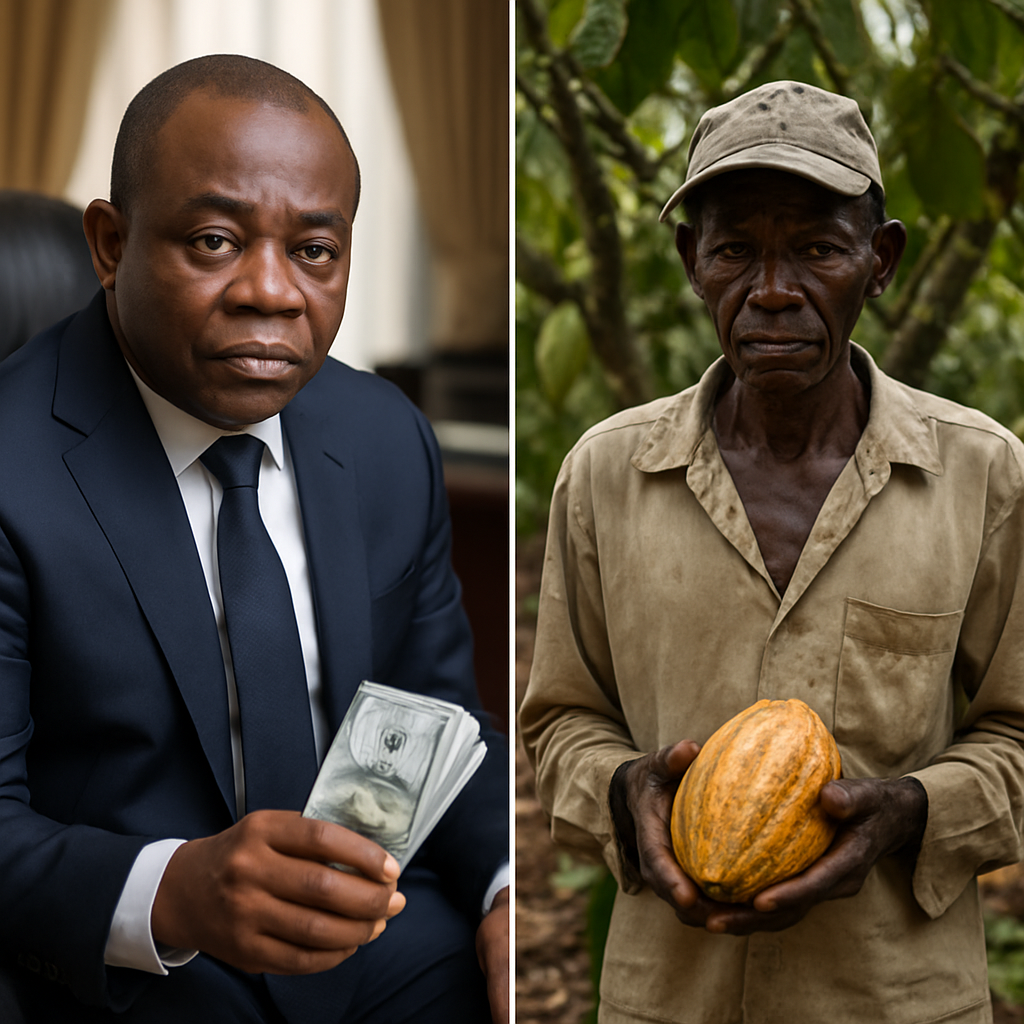
The Ghana Cocoa Board (COCOBOD) plays a pivotal role in Ghana's cocoa industry, impacting both global trade and the lives of local farmers. One recurring question is: what is the salary of the CEO of COCOBOD, and how does this leadership role connect to the challenges cocoa farmers face? Although the precise monthly or annual salary of the COCOBOD CEO is not published in open government reports, the position typically aligns with senior executive compensation in Ghana's state-owned enterprises. Industry experts and local analyses estimate the CEO's salary—including allowances—rests above the salaries of most Ghanaian civil servants, often reflecting the major economic responsibility COCOBOD holds for the country.
The CEO's remuneration often sparks public debate, especially as cocoa farmers struggle with fluctuating incomes. Compensation for the CEO combines basic salary and non-salary benefits to reflect both the operational complexity and economic importance of cocoa management in Ghana.
Given Ghana's heavy reliance on cocoa exports, the CEO's decisions directly influence the welfare of thousands of farmers and affect the overall stability of the sector. This connection highlights why understanding executive pay and its relationship to broader farmer welfare is so important in the national discourse.
Main Challenges Facing Cocoa Farmers in Ghana
Cocoa farmers in Ghana continue to experience significant struggle, despite the country's status as one of the world's leading cocoa producers. A primary challenge is low and volatile farm-gate prices—meaning the amount farmers are paid per bag of cocoa often does not keep pace with rising costs of production.
Another significant issue is the direct ban by COCOBOD against Licensed Buying Companies (LBCs) purchasing cocoa on credit from farmers. This recent policy shift, highlighted in sources such as GhanaWeb, aims to protect farmers from delayed or missed payments but can also restrict farmers' access to quick cash if LBCs lack immediate funds.
- Limited access to affordable credit and modern farming inputs
- Poor infrastructure and transportation inefficiencies
- Global cocoa price fluctuations impacting local market rates
Farmers voice concerns that, even with regulations on credit buying, COCOBOD and LBCs should ensure prompt payments and logistics support. As a result, income security for cocoa producers remains far from stable.
The Relationship Between COCOBOD Policy and LBC Operations
COCOBOD's decision to ban the purchase of cocoa beans on credit directly reshapes cocoa trade in Ghana. According to industry reports, this policy intends to compel LBCs to provide on-the-spot payments to farmers, aiming to reduce financial vulnerability among growers.
This move was driven by complaints that some LBCs delayed payments or defaulted, leaving farmers financially exposed. While the ban aims to protect farmers, LBCs must adapt by securing greater upfront capital to maintain smooth operations. This can be challenging for smaller LBCs or new entrants in the cocoa-buying sector.
Some stakeholders suggest the ban is necessary to prevent the mushrooming of unlicensed operators, who may undermine the trust and financial discipline established in the formal cocoa market. However, it also risks marginalizing farmers in remote or underserved regions where LBCs face logistical hurdles to immediate cash provision.
To keep the cocoa supply chain robust, there must be a balance between farmer protection, efficient operational funding for LBCs, and fair executive compensation within COCOBOD.
The Impact of Current Ghana Cocoa Price Drops
Recent changes in global commodity prices have led to declines in the official cocoa prices offered to farmers in Ghana. These price drops, coupled with operational reforms such as the new ban on buying cocoa on credit, contribute to the ongoing financial squeeze felt by many growers.
Lower prices mean diminished profits for farmers, making it harder to invest in farm maintenance, labor, or education for their families. While the COCOBOD CEO's salary remains stable, the volatility in farm-gate income adds tension to debates over executive pay and board policies.
- Decreased international cocoa demand in certain markets
- Supply chain disruptions affecting exports
- Currency fluctuations impacting real earnings for farmers
Understanding why cocoa farmers are struggling requires looking beyond earnings and into the entire value chain—policy decisions, market access, and economic trends all contribute to current hardships.
Moving Forward: Improving Farmer Welfare and Transparency
For Ghana's cocoa sector to thrive, efforts must prioritize both farmer welfare and transparent management. Steps forward include publishing COCOBOD executive salaries for public oversight, supporting LBCs with liquidity to comply with the credit ban, and introducing price support schemes for farmers. Regular consultation among COCOBOD, LBCs, and farmer associations can help bridge the information and resource gap currently straining the sector.
Ultimately, securing higher and more stable incomes for cocoa farmers benefits the entire supply chain and strengthens Ghana's global position as a leading cocoa exporter. Ongoing stakeholder engagement and fair, accountable governance are keys to a sustainable future for all involved.


One thought on “What Is the Salary of the CEO of COCOBOD and Why Are Cocoa Farmers in Ghana Struggling?”