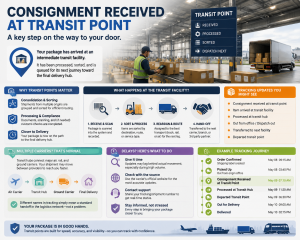
What Happens When Crossing the Border and In Transit to a Carrier Hub for Delivery Service
 Import Export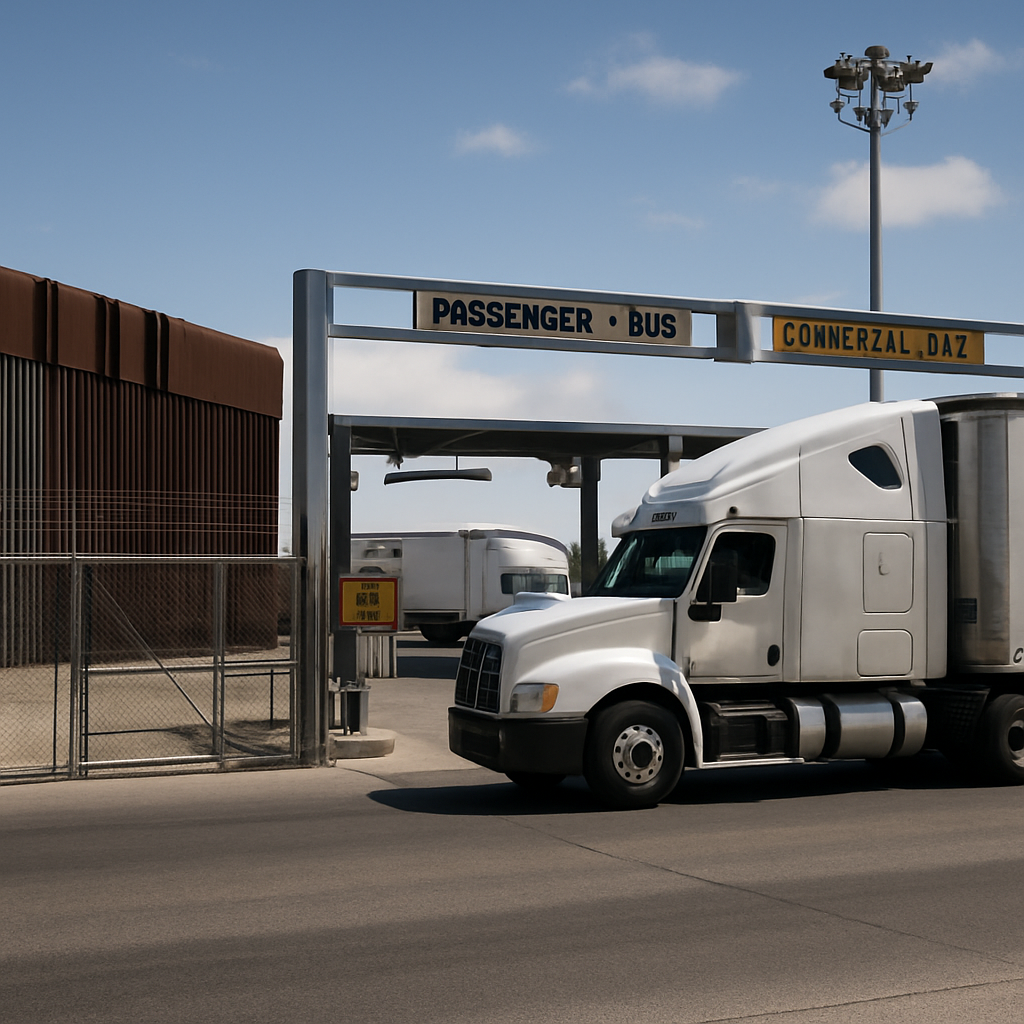
If you see your shipment marked as "crossing the border and in transit to a carrier hub," you might wonder where your package really is and what happens next. At its core, this status means your parcel has left its origin country, passed through customs, and is traveling within the carrier's network to the next major hub before heading to its final destination. Whether you're waiting on an important delivery via a service like CRST, MCM, Crowley, or simply tracking a valuable package, understanding these logistics steps helps set realistic expectations for delivery time and processing.
Understanding In-Transit Statuses and Border Crossings in Distribution Logistics
When a shipment leaves the factory or originating warehouse, it gets collected—often scanned as "picked up by carrier" or "in transit"—and starts its journey. The first significant event for international goods is crossing a national border. At this stage, the parcel must clear customs, which may add uncertainty to the delivery timeline. Customs clearance is outside the carrier's direct control and can vary dramatically based on declared value, documentation, or regulations, as explained in What does "Arrived at Hub" Mean?: USPS, FedEx & UPS Tracking Explained. This step is critical for both general goods and valuables, as customs must check compliance before packages re-enter a shipping network.
After customs, shipments are handed back to the carrier or a logistics partner. Here, "in transit to carrier hub" indicates the item is moving toward a distribution or sorting facility, often by truck, ocean freight, or air—depending on logistics services like Crowley or Pro Group. For goods bound for cities like Pittsburgh or Seoul, this could involve multiple transit steps through regional and international hubs.
During this time, tracking updates may show "departed origin facility," "item arrived at hub," or "in-transit to next facility." These updates confirm your parcel is active in the network, but not yet at its destination. Depending on distance and the presence of distribution hubs or airport customs checks (like Fiumicino), the process could repeat as the package nears your delivery address.
Carrier Hub Operations: Sorting, Staging, and Next Facility Transfers
Once your shipment arrives at the carrier hub, it doesn't head straight for delivery. Instead, it undergoes a series of processing requests and reliability checks to ensure accuracy and compliance, as detailed by Arrived at Carrier Facility: What It Means for Your Package. Parcels are offloaded, scanned into the system, then sorted by departure time and destination. This is true for both pro group and public-private operated solutions serving global networks.
The hub may process thousands of shipping requests each day, handling everything from general goods to special shipments—like cash or high-value items. Sorting organizes packages for transport to the next relevant facility or directly to a local delivery station. For example, a shipment arriving from a factory overseas might land at an ocean port hub, get customs cleared, then continue to an inland or urban distribution hub.
International and large-volume shipments often pass through several intermediate hubs, with tracking reflecting status like "arrived at nl hub" or "in transit to distribution hub." These statuses indicate efficient logistics performance and compliance in handling.
Processing doesn’t end until packages are staged for the final outbound route. During peak times or in regions managing high volumes (such as e-commerce parcels from big sites like eBay), delays may occur. However, the carrier facility’s main purpose is ensuring correct routing and security throughout the shipping journey.
It’s essential to recognize that, even after the "arrived at carrier facility" scan, the carrier does not guarantee immediate delivery. Your shipment could await additional processing, such as further customs checks, repackaging, or documentation validation, before it can leave for the next stage of delivery.
Delivery Timeframes and Factors that Impact Shipping Progress
Time spent in transit to or inside a carrier hub depends on several factors: the shipping service chosen (standard vs. expedited), transit distance, and how quickly customs and carrier operations can process the item. Deliveries that originate in distant regions or require oceans crossings logically have longer in-transit periods, especially if routed through major hubs like Fiumicino or regional partners such as CRST for land transport.
After processing at the distribution or carrier hub, your package is loaded into a truck or container. Departure scans usually mark the status as "departed facility" or "in-transit to next hub". Goods may continue through several stages, each with its own routing and delivery timeline. For road shipments, transit between cities—say from a Pittsburgh warehouse to another state—might take a few days, with each step marked by different status updates, as shown in What does "In Transit" mean? A Complete Guide.
Large-scale logistics services sequence their route planning for optimal efficiency. Factors like peak shipping season (e.g., holidays, return spikes), parcel volume, and compliance checks can influence the final delivery timeline. International transit, especially for parcels with high value or those requiring extra documentation, often faces extended processing—not because of carrier delay, but due to required legal checks and customs inspections.
Final Handling: From Carrier Hub to Your Destination
The last leg begins after your parcel completes its journey through the carrier's main network. The local delivery hub receives the parcel, sorts it for final routing, and prepares it for handover to a delivery driver or local post service. Tracking updates might say "out for delivery" or "arrived at destination facility." This means your shipment is in the last stage and is scheduled to reach your door soon.
Some shipments may experience a brief pause if there are address compliance questions or further security checks, especially for values logistics such as cash or precious goods. Items handled by specialized logistics companies, or those routed through unique facilities (e.g., a cash shipment between financial institutions), could see tailored delivery arrangements.
Whether your package is part of an e-commerce order, freight consignment, or personal shipment, the pattern is generally the same. Crossing borders and navigating in transit to the carrier hub is just part of the broader logistics network that ensures goods are reliably delivered across the world.
Staying informed about each shipping milestone offers real peace of mind while waiting for your next important delivery.