What Does the Cocobod LBC Credit Buying Ban Mean for Ghana's Largest Cocoa Buyers?
 Import Export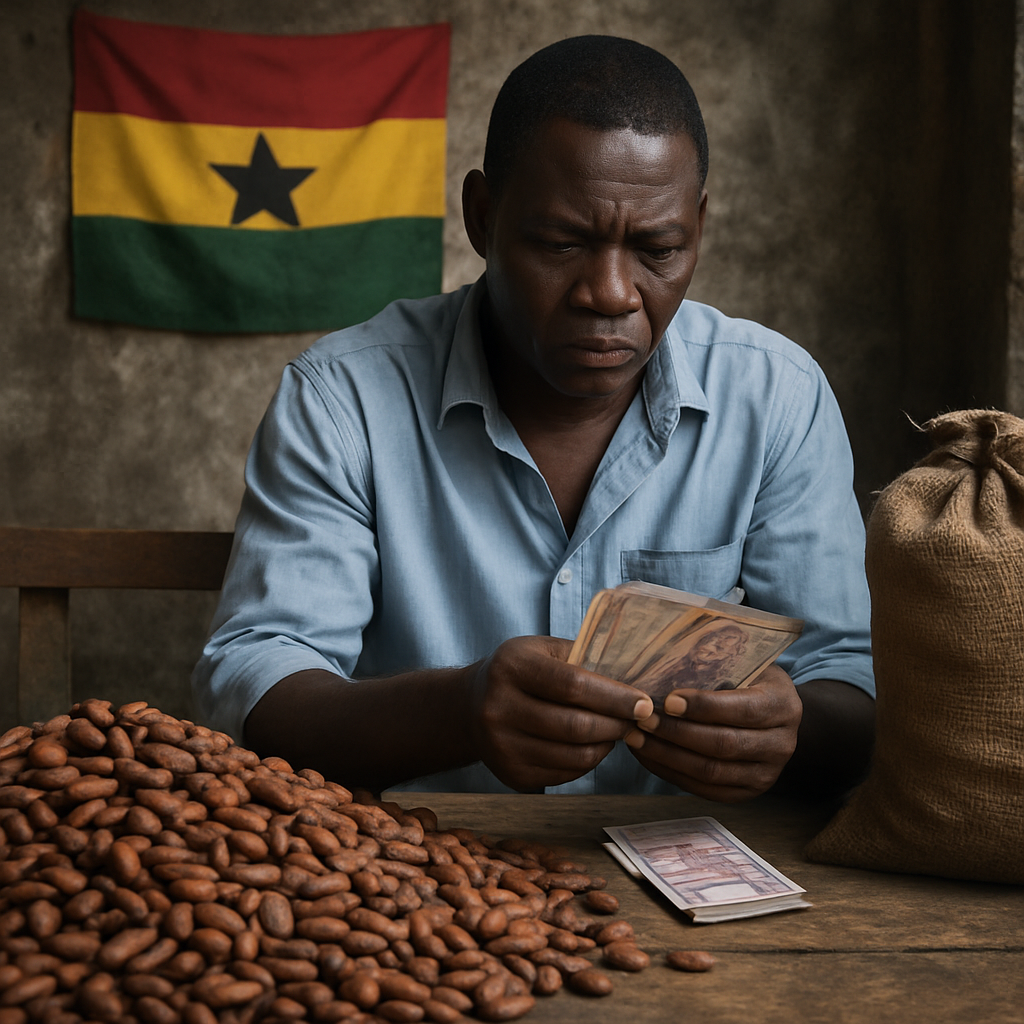
Understanding the LBC Credit Buying Ban and Its Immediate Impact
The Ghana Cocoa Board (COCOBOD) has formally barred Licensed Buying Companies (LBCs) from purchasing cocoa beans from farmers on credit. This move, explicitly communicated by the current CEO Dr. Randy Abbey, is designed to stabilize liquidity and restore discipline within Ghana’s cocoa supply chain. As a result, Ghana's largest cocoa buyers must now adhere strictly to cash-based transactions, impacting how cocoa is sourced and prices are set for farmers and exporters. [Source]
This ban addresses long-standing issues where LBCs amassed significant debts to farmers, delayed payments, and exposed the sector to financial instability. Any LBC found breaching this directive risks immediate revocation of its operating license, marking a sharp turning point for Ghana’s cocoa marketing model.
By eliminating the credit system, COCOBOD aims to encourage prompt payment, enhance purchasing efficiency, and improve overall confidence in Ghanaian cocoa sourcing. Both large and small-scale cocoa buyers are required to comply, fundamentally shifting how transactions occur throughout the country.
The Role of Ghana's Largest Buyers and Their Response
Ghana is globally recognized as the second largest producer of cocoa beans, with its largest buyers typically being multinational trading firms and domestic heavyweight LBCs. These companies once relied on credit-based acquisition to manage cash flow during the harvest season, but this practice often left farmers vulnerable to non-payment or payment delays.
Since the introduction of the ban, these major cocoa buyers have had to reorganize their purchasing strategies, ensuring cash reserves are available up front before acquiring cocoa from farmers. The policy forces a transition to more robust financial management and has heightened competition for immediate cash purchases.
This adjustment, while tough for some, is expected to stabilize incomes for Ghanaian farmers and bolster the reputation of the cocoa industry. It also brings operations in line with planned regulatory reforms targeting payment discipline and market transparency.
Why Are Cocoa Prices Dropping and How Does the Ban Relate?
Global cocoa prices have fluctuated in recent years due to factors such as overproduction in some regions, demand volatility, and speculation on international commodity markets. For Ghana specifically, price pressures have been aggravated by inefficiencies and payment backlogs in the local supply chain.
The COCOBOD ban addresses one root cause: the lack of liquidity among LBCs, which often delayed payments and contributed to downward pressure on farmgate prices. Now, by requiring cash-only transactions, COCOBOD seeks to protect farmers from underpayment and align the Ghanaian industry more closely with international best practices.
However, this alone will not solve global pricing declines, as larger macroeconomic issues also play a role. Still, it positions Ghana as a more reliable partner for international buyers, which may help stabilize prices locally in the long run.
Main Reasons Behind Ghana's Recent Industry Crisis
The industry crisis in Ghana's cocoa sector has been a result of several interconnected challenges:
- Delayed Payments: Farmers often waited for months to be paid, sometimes never receiving the correct amount for their produce.
- Lack of Liquidity: LBCs relied on credit arrangements with farmers due to limited cash on hand, creating systemic financial bottlenecks.
- External Price Pressures: Volatile global demand and competition from other producers struck at the stability of Ghanaian farmgate prices.
- Structural Inefficiencies: Outdated payment and procurement systems slowed the movement of funds and goods along the entire supply chain.
- Regulatory Gaps: Prior to the new policies, weak enforcement allowed LBCs to skirt responsibilities, undermining farmer trust.
By tackling the payment discipline issue directly through the ban, COCOBOD aims to restore faith and efficiency in the sector. The introduction of a new financing model—as referenced in coverage around the Cocoa Board Bill 2026—is set to provide year-round liquidity to prevent past crises from repeating.
What Is Next for LBCs and Ghanaian Cocoa Farmers?
Licensed Buying Companies must now prove their financial solvency by purchasing solely on a cash basis. This paradigm shift not only secures better and faster payments for farmers but also improves data traceability, transparency, and accountability within the sector.
Farmers are being educated by COCOBOD not to hand over their cocoa to purchasing clerks on credit, reducing risk and empowering them to negotiate better prices. The regulator’s vigilance, alongside the looming threat of license revocation for non-compliant LBCs, means ongoing enforcement is a reality rather than just a policy on paper.
This restructuring may initially squeeze some buyers, especially smaller operators, but it ultimately supports the sustainability and international credibility of Ghana's cocoa production. As the reforms settle, farmers and buyers alike can expect a more stable industry environment moving forward.
Going forward, watch for continued updates from both COCOBOD and local news outlets as Ghana implements its new financing framework and works to maintain its position as one of the world’s leading cocoa exporters.
This new era for Ghanaian cocoa will likely bring significant benefits to those that adapt, ensuring stronger, fairer trade for all key stakeholders in the sector.


3 thoughts on “What Does the Cocobod LBC Credit Buying Ban Mean for Ghana's Largest Cocoa Buyers?”