How the Fort Worth Logistics Hub Drives Fleet and Intermodal Jobs in Dallas Transport
 Import Export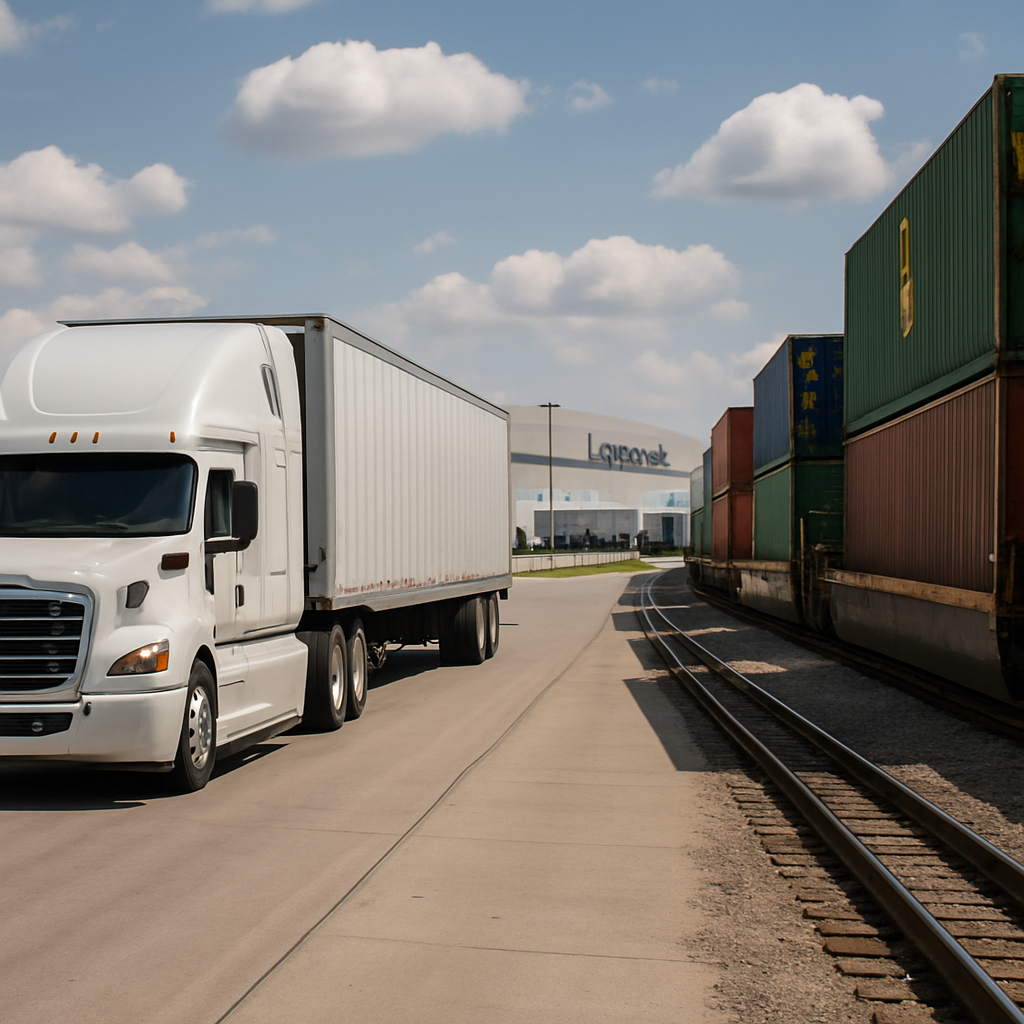
Overview: Fort Worth Logistics Hub as a Catalyst for Dallas Transport and Jobs
The Fort Worth Logistics Hub, situated near Dallas, has become a defining engine for growth and job creation in the region's fleet and intermodal transport sectors. Located at 9450 Burleson Cardinal Road, the site covers 39 acres, features 245 parking spaces and modern 36-foot clear heights, and is strategically less than one mile from I-35 and four miles from I-20, placing it at the crossroads of major Central United States distribution routes. As of its recent acquisition for $67.5 million, the hub is fully leased to Samsung SDS America, which has rapidly expanded its logistics operations and workforce in the area. This interplay of infrastructure, corporate investment, and high-capacity distribution channels is shaping a vibrant employment landscape in Dallas transport and logistics sectors (source).
Strategic Location and Impact on Intermodal Transport Jobs
The proximity of the Fort Worth Logistics Hub to both interstate highways and the Alliance Global Logistics Hub has proven an attractor for transport companies seeking centralized fleet bases and intermodal distribution capabilities. Integrating major roadways, rail links, and nearby airports, the location has naturally fostered the growth of intermodal agent roles and increased demand for drivers specializing in both long-haul and last-mile trucking services.
The hub's adjacency to Alliance Airport and its relay connections to BNSF Railway’s Intermodal Facility further multiplies these opportunities (source). These assets strengthen the movement of freight in and out of Dallas, making this hub a focal point for logistics coordinator and planner jobs, while also drawing supply chain specialists who manage spoke and interchange routing.
Fleet broker and lead driver positions have also seen an uptick, given the increased reliance on multimodal transport and the need for real-time contract and tender management across multiple channels.
Alongside this, the industrial park setting supports continuous fleet maintenance and construction roles, further populating the ecosystem of logistics professionals based at or working through the Fort Worth Logistics Hub.
Corporate Investment and Workforce Development
The acquisition by MDH Partners and the full lease commitment from Samsung SDS America signal the maturing of this site as a foundational logistics hub for Dallas and beyond. Samsung's robust growth—from $850 million to $1.6 billion in revenue since 2019—has directly translated to greater job stability and expansion for local workforce sectors such as logistics officers, active freight planners, and communication specialists.
With a state-of-the-art, Class-A industrial building spanning 670,914 square feet, the site accommodates not only distribution but also complex data, IT, and digital logistics operations. This diversification encourages specialist roles in agtech, digital supply chain management, and group coordinator positions focused on optimizing transport flows via smart hubs.
The hub's physical and digital infrastructure has led to new jobs in system integration, CJ distribution, and the deployment of smart fleet tracking tools. The synergy between hardware (fleet and facilities) and software (logistics management systems) is a defining feature that sets Fort Worth apart from legacy hubs in the Dallas area.
Logistics Hub Themes: Prime Construction and Vacancy Reduction
Prime real estate and modern construction underscore the employability themes at this logistics hub. An abundance of parking supports growing armada and tender fleets; meanwhile, Class-A amenities attract established third-party logistics (3PL) contractors and national active corp distributors who prefer superior access to intermodal routes.
The near-total absence of vacancy—given Samsung’s complete lease-up—means that this hub consistently sustains jobs in site management, specialist logistics, and freight contract execution. These roles often require regular agent communication to interface with external partners like Amazon, Rockingham, and central city supply chains connecting Dallas and regional nodes.
Construction jobs remain strong, both for current facility upgrades and future expansion planning, adding to the employment pipeline linked directly or indirectly to the Fort Worth Logistics Hub.
Future Outlook: Digital Transformation and Career Pathways
As the Fort Worth Logistics Hub continues to anchor Dallas’s rising logistics reputation, innovation in digital fleet management, halal supply configurations, and logistics specialist degrees will influence both the quality and the quantity of jobs. Adopting web-based trucking platforms and integrating international agents (from Hamburg, Tuas, and Oy, among others) will require new skillsets and more nuanced broker and coordinator roles.
AllianceTexas, which includes the Alliance Global Logistics Hub nearby, is cited to have created more than 61,600 jobs, exemplifying the scalable economic benefit these logistics centers enable (source).
For those considering a career in supply chain management within Dallas or Fort Worth, roles tied to transport, major intermodal routing, and broker communications present new avenues for specialization. As digital transformation accelerates, demand for active corp, communications officers, and digital group specialists is expected to remain high at the Fort Worth Logistics Hub and its partner sites.
Ultimately, the Fort Worth Logistics Hub is shaping not only the physical transport landscape for Dallas and surrounding cities but is also nurturing a growing ecosystem of specialized logistics and fleet careers.