Import Customs Clearance Completed: Meaning, Border Protection, and Shipment Release Guide
 Import Export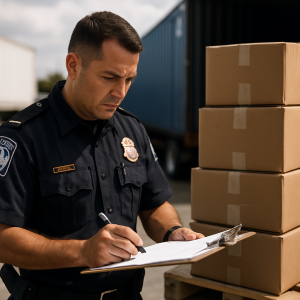
Understanding When Customs Clearance Is Completed
When your shipment status updates to "import customs clearance completed," it means the customs authorities at the destination country have reviewed your paperwork, verified all submitted documents, calculated duties and taxes, and authorized your goods for release. This status update is pivotal for importers, exporters, and customers waiting for delivery, signaling that regulatory checks are over and the shipment can progress to its next phase. For many, especially first-time importers, misunderstanding this process can lead to confusion and unnecessary delays, so knowing exactly what happens at this stage is vital for smooth international trade operations. For a first-hand explanation, you can refer to Kickrate's detailed guide.
Key Steps After Import Customs Clearance Is Completed
Once your item is marked as having completed customs clearance, several things occur to move your shipment forward. The following sections outline the immediate implications and next steps in the shipping journey so you know what to expect and how to respond if delays arise.
The primary role of border protection agencies at this point is to make sure all declared items match the shipment documentation. Any discrepancy can quickly become a reason for investigation or retention. Exact compliance with customs requirements, especially in countries with strict import regulations, is paramount for avoiding setbacks.
For those importing to Indonesia, a common stumbling block is the Angka Pengenal Impor (API) import license, a key regulatory requirement as highlighted by Kickrate. If the consignee named on the Bill of Lading does not hold a valid API, customs cannot legally release the goods.
After customs clearance is completed, the goods are usually eligible for release and will be picked up from the customs facility, efficiently moving through the remaining supply chain steps.
Role of Documentation and the Bill of Lading
Proper documentation is the backbone of successful import customs clearance. Essential documents include the Bill of Lading, commercial invoice, packing list, and the necessary import licenses or codes depending on the destination country.
The Bill of Lading specifically proves ownership and provides instructions to customs authorities about who can legally receive the shipment. If the named consignee lacks the proper credentials—such as the import license for Indonesia or pre-declaration for Thailand and Malaysia—customs clearance may be delayed or denied.
Customs agents will meticulously compare these documents against the shipment to ensure everything matches. Any inaccuracies in paperwork can trigger exams or requests for additional clarification, as noted in community discussions such as this Reddit thread. Timely submission of complete and accurate documentation accelerates clearance and release.
Border Protection and Exam Procedures
Border protection and security checks play a vital part in the customs clearance process. After review of paperwork, customs may select certain shipments for physical exam, often described in tracking updates as "examined by customs," "opened," or "resealed." While this additional scrutiny may slow down your shipment, it ensures all national regulations for imports are maintained.
- Shipments without any red flags are typically processed and released soon after customs clearance is completed.
- If shipment information triggers an alert—such as missing declaration limits, handover wait times, or inconsistencies between product codes and declared contents—border protection may detain or investigate the package further.
- Complex shipments, such as those involving alcohol, high tariffs, or multiple parties (using a power of attorney or broker), may also require additional review, especially at major entry points like the port of Los Angeles or Miami.
A transparent process and effective communication with your customs broker or shipping provider will help avoid most issues related to customs clearance completion.
Release from Customs Facility: What Comes Next?
After the "customs clearance completed" status, your shipment awaits pick-up from the customs facility or bonded warehouse. The timing for release from customs can vary based on workflow at the destination port, the presence of additional government agency holds, or backlog due to holidays and high-traffic shipping seasons. Knowledge of status updates such as "item presented to us and border protection" or "released from customs" gives a clear sign of where your goods are in the process.
If further action is needed—such as payment of import taxes, self-declaration, or presentation of a power of attorney—these requests will typically arrive right after clearance. Prompt attention to these requirements ensures your shipment is not subject to storage fees or return to sender.
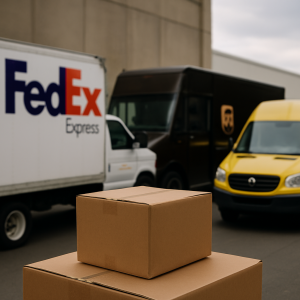
It is always beneficial to monitor your shipment tracking closely, leveraging online forms and customs status updates provided by agencies or shipping companies like FedEx. Doing so can provide real-time insights into the final steps before delivery.
Once released, the goods proceed to the next leg of their journey—whether that is road transport to a destination warehouse, local delivery, or a factory interchange for further processing.
How to Resolve Common Delays and Avoid Clearance Problems
If you encounter a situation where your customs status remains at "awaiting customs clearance" or "customs clearance in progress" for an unusually long time, it may indicate missing paperwork, incorrect import declarations, or pending payment of duties. Communication with your customs broker, review of your Bill of Lading, and verification of required codes or licenses can clarify the cause.
For some destinations, such as India or Indonesia, new rules or online declaration forms may also apply, so being proactive with compliance is essential. Always use updated documentation and ensure you are aware of current immigration rules, declaration limits, or any quotas on special items (for example, wine allowance or alcohol limits).
Finally, carefully track every status update, including processes like "submitted documents patch" or "pre-declaration received," to stay ahead of any additional requirements. Address issues as soon as they arise and confirm with your freight agent or import broker when all steps are complete.
Understanding and responding to these typical bottlenecks reduces wait times, prevents unnecessary storage costs, and enables the swift delivery of goods once the import customs clearance is completed.
With the right approach and a clear understanding of each customs milestone, your global shipments can move smoothly from port of entry to final delivery, meeting all necessary regulations along the way.
For further reading, consult the original authoritative article at Kickrate for comprehensive coverage of country-specific challenges and best practices for importers.