
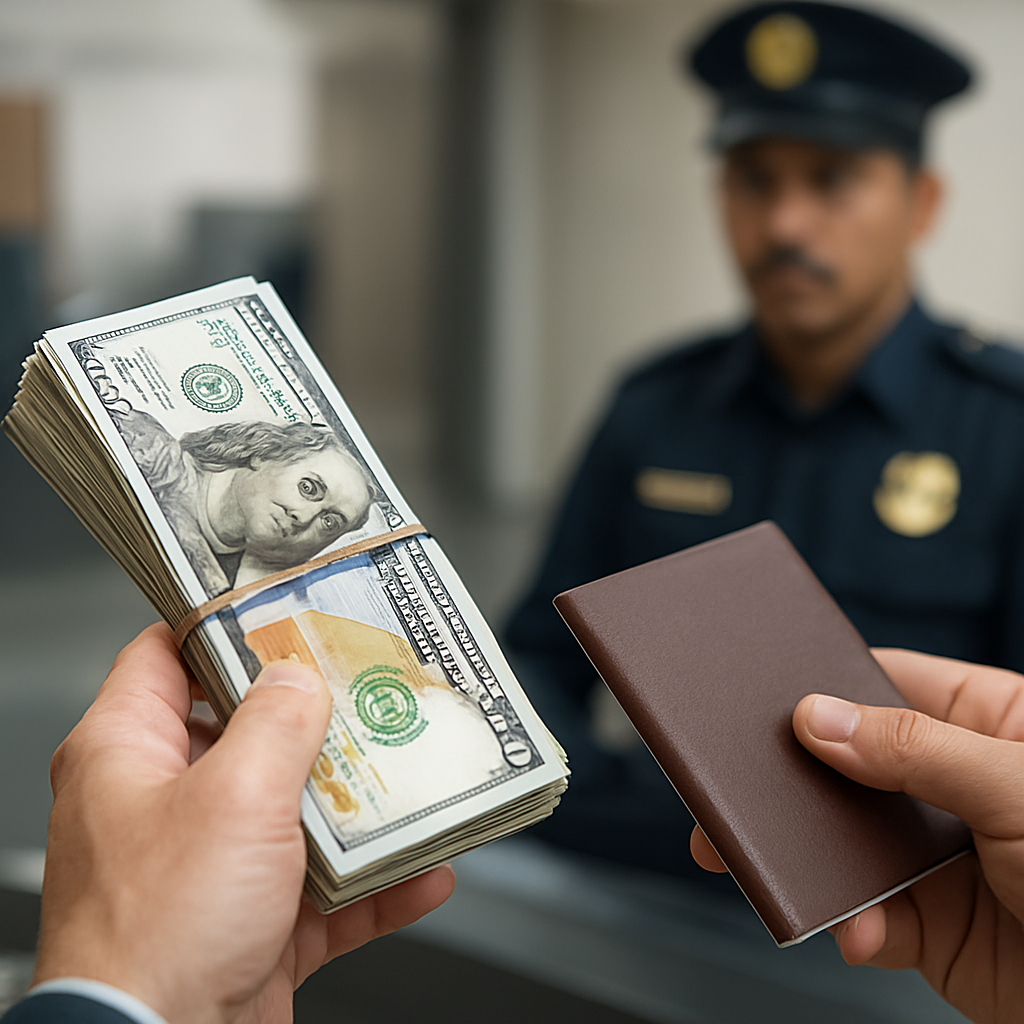
If you are asking how much cash you can bring to Vietnam without declaring it, the practical answer is that travellers can carry up to USD 5,000 in foreign currency cash or 15,000,000 VND in Vietnamese dong without a customs declaration. These are separate thresholds, not one combined allowance. If you exceed either limit, you should declare the cash.
That rule is about physical cash you are carrying, not card balances or bank transfers. It also matters on the way out of Vietnam, not just when you arrive. For the clearest traveller-focused breakdown, see this guide on Vietnam cash customs declaration limits.
How much cash can you bring into Vietnam without declaring it?
The headline figure is simple:
- Foreign currency cash: up to USD 5,000 or the equivalent in another foreign currency
- Vietnamese dong cash: up to 15,000,000 VND
The important detail is that these are independent limits. In other words, you do not get one pooled allowance across both currencies. A traveller carrying USD 4,000 plus 10,000,000 VND would still be under both thresholds. A traveller carrying USD 4,000 plus 16,000,000 VND would need to declare, because the dong amount exceeds its separate threshold.
This distinction is easy to miss when people ask, “What is the cash limit to bring to Vietnam?” or “How much money can you bring into Vietnam?” but it is the key compliance point. Vietnam’s customs cash rules treat foreign currency and dong as two different buckets.
What counts as cash under this rule?
The live guidance used for this article focuses on cash in your possession. That means notes and physical currency. It does not cover card balances, online bank accounts, or money sitting in a transfer service, because those are not the same as cash you are physically carrying through customs.
If you are travelling with cards for most of your spending, that can reduce how much cash you need to carry, but it does not change the customs threshold itself. The threshold is still about the amount of cash in your bag, wallet, or pocket when you cross the border.
What happens if you bring more than the limit?
If you go over either threshold, the next step is a written customs declaration. The source guidance used here is consistent on that point: exceeding the limit triggers a declaration requirement.
That is not just a paperwork formality. The risk of not declaring excess cash can include confiscation and legal or administrative penalties. For travellers, the safest approach is not to test the limit and assume it will be ignored. If you are over the threshold, declare it.
For readers who want a broader explanation of customs checks and what “nothing to declare” really means, this related guide may help: what happens if you have nothing to declare at customs.
Why declaration matters if you want to take the money back out later
One useful practical point from the live research is that declared cash may matter later if you want to leave Vietnam with that money. In plain terms, if you enter with cash above the threshold and declare it properly, it is better documented for your exit journey than cash that was never declared in the first place.
That does not mean every declared amount is automatically easy to move in and out, but it does mean the declaration creates a cleaner compliance trail. If you are carrying a meaningful sum for business, extended travel, or a personal reason, keeping the paperwork in order is sensible.
If you are unsure how declaration issues can affect your trip, this article on what happens if you forget to declare items at customs is a useful companion read.
Does the Vietnam cash limit apply only when you arrive?
No. The source material used for this article indicates that the rule applies in both directions — on entry and on exit. That is a meaningful detail because many travellers only think about arrivals customs and overlook the rules that can apply when they leave the country with cash.
So if you are asking how much cash you are allowed to bring to Vietnam, the better way to think about it is this: the same declaration thresholds are relevant when you cross the border into Vietnam and when you later carry cash back out.
How much cash should you bring for a week in Vietnam?
This is a different question from the customs limit. It is about travel budgeting, not the legal maximum you can carry without declaring it.
There is no single universal weekly cash amount that fits every traveller, and the supplied sources do not support one fixed number. Your real cash needs depend on factors such as:
- where you are staying
- whether breakfast or some meals are included
- how often you plan to pay by card
- whether you prefer to pay cash for taxis, small purchases, or street food
- how comfortable you are carrying a larger cash reserve
The search interest around “how much cash is needed for 7 nights in Vietnam” shows that people are usually trying to balance convenience against risk. If your hotel, transport, and larger purchases can mostly be paid by card, you may only need a modest amount of cash for small daily expenses. If you expect to use cash for more of your trip, you will naturally want to carry more — but still keep the declaration thresholds in mind.
Put simply: trip spending needs and customs limits are not the same thing. You can need relatively little cash for a week and still be well under the declaration threshold. Or you can choose to travel with a larger cash float and need to declare it.
Is it better to carry USD or dong in Vietnam?
From a customs point of view, the main takeaway is that USD and VND are treated differently for declaration purposes. The foreign-currency threshold and the dong threshold are separate.
That said, the supplied research does not fully establish which currency is more convenient for everyday travel spending in Vietnam. So the safest answer is a limited one:
- if you carry USD cash, watch the foreign-currency threshold
- if you carry VND cash, watch the dong threshold
- if you carry both, check each amount separately
For everyday spending, many travellers like the flexibility of having local currency for smaller purchases, but this article should not overclaim on merchant preferences or exchange convenience without stronger evidence. If your main concern is customs compliance, the best approach is to think in terms of the threshold that applies to each currency you physically carry.
Do you need cash for tipping in Vietnam?
Tipping can affect how much cash you decide to carry, but the evidence supplied for this article does not support a firm cultural rule on whether not tipping is rude in Vietnam. So it would be misleading to present a hard etiquette claim here.
The safe, practical view is simply that some travellers keep a bit of cash aside for small gratuities or incidental payments. If you want extra cash for that purpose, include it in your travel planning — just remember that the customs rule still depends on how much cash you physically carry.
Quick customs checklist before you fly
If you are carrying cash to Vietnam, use this simple checklist:
- Check your physical cash before you leave home.
- Separate foreign currency and VND in your head, because the thresholds are separate.
- Declare cash if you exceed either threshold.
- Keep any declaration paperwork if you may need to take money back out later.
- Remember that cards and bank balances are not the same as cash for this rule.
If you want a broader customs context beyond cash declarations, this related article on three key areas of customs compliance is a helpful next step.
The short answer
If you want the shortest possible answer to “How much are you allowed to bring to Vietnam?”, the standard traveller rule is: up to USD 5,000 in foreign cash or 15,000,000 VND in cash without declaring it. Those limits are separate, and if you exceed either one, you should declare the cash. The rule applies on entry and exit, and undeclared excess cash can create serious problems.
For most travellers, the practical goal is not to carry as much as possible, but to carry enough for comfort while staying within the declaration rules and keeping a clean record if you need to take funds back out later.