
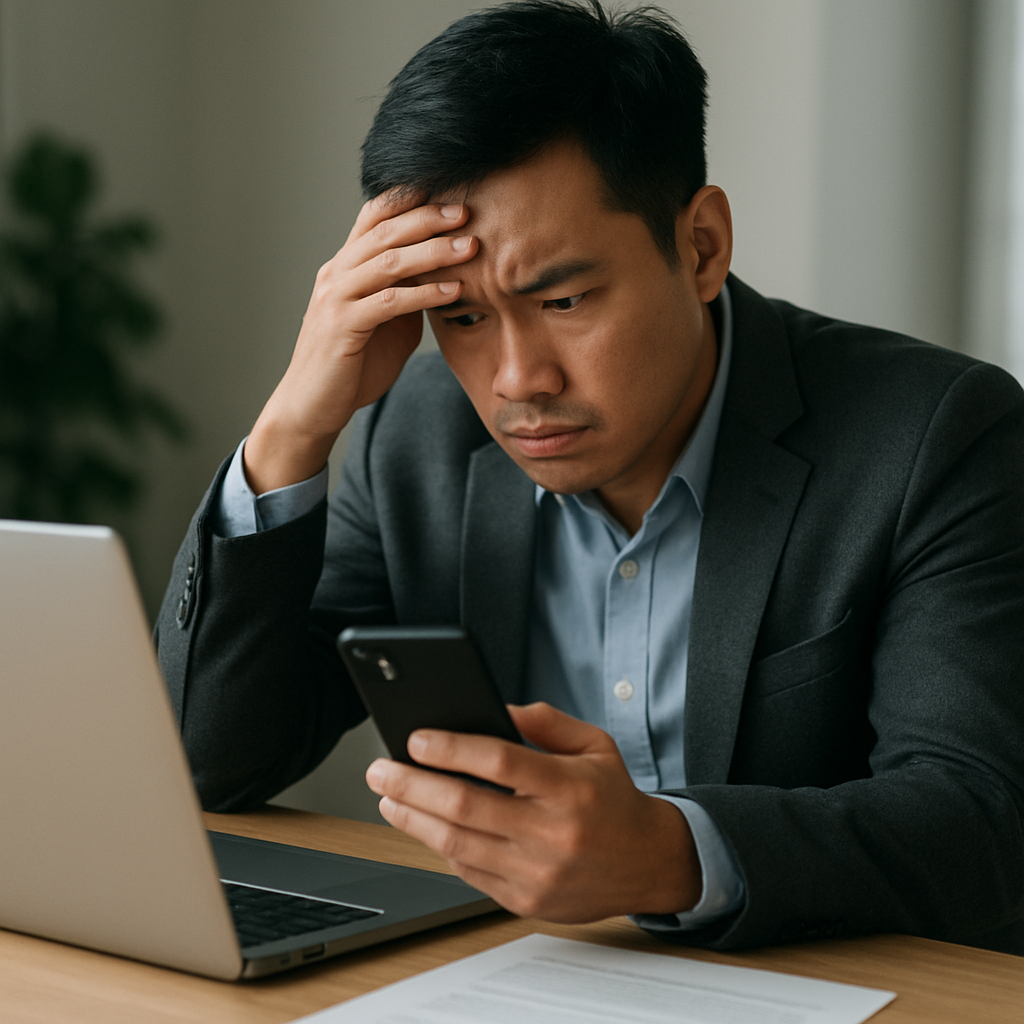
Alibaba may refund you if you get scammed, but only if the problem fits Alibaba’s Trade Assurance rules or you successfully recover the money through another route such as a chargeback or PayPal dispute. It is not an automatic refund for every bad order. Whether you get your money back depends on the issue, the evidence, the payment method, and whether the order was covered by Trade Assurance.
In plain language, Trade Assurance is Alibaba’s buyer-protection programme for eligible orders. Alibaba says it can help buyers get money back when an order is not shipped, goes missing, arrives late, or arrives with defects, incorrect items, damage, or other product-related issues. The payment is held in an escrow-like arrangement until the order terms are met, then released to the supplier. You can read the programme overview on Alibaba’s own Trade Assurance page and its money-back policy.
If you are asking, “Will Alibaba refund me if I get scammed?”, the safest answer is: sometimes, yes — but only in qualifying cases. If the supplier never ships, ships the wrong goods, sends defective goods, or breaches the agreed order terms, you may have a refund claim. If you simply change your mind, miss a deadline, or paid outside the platform in a way that is hard to trace, your chances are usually much lower.
Will Alibaba Refund You If You Get Scammed?
Alibaba can refund buyers when the order problem falls within Trade Assurance coverage and the dispute is supported by evidence. That protection is tied to the order terms you agreed to, not to a general promise that every scam report will be reimbursed.
The important distinction is this: “scammed” in everyday language is broader than “covered by Trade Assurance”. For example, if a supplier disappears after taking payment, that may be recoverable if the order was covered and the evidence shows non-shipment. If the supplier delivered something that does not match the agreed specification, that may also be covered. But if the issue is outside the programme terms, Alibaba may not issue a refund even if the experience feels like a scam.
Alibaba’s stated protection focuses on order problems such as non-shipment, missing goods, late shipment, defects, incorrect items, damage, and other breaches of the agreed terms. A useful summary of how refunds work in those situations is also explained in this Trade Assurance explainer.
It is also worth saying plainly that protection is not automatic for every supplier or every payment method. That is why the next step after a problem is not to wait and hope, but to open the dispute properly and keep your payment provider involved in parallel.
What Alibaba Trade Assurance Covers
Trade Assurance is the key policy that determines whether Alibaba may refund you. It is designed to cover eligible orders when the supplier does not meet the order terms. Based on the supplied sources, the main covered issues include:
- the order is not shipped
- the shipment goes missing
- the goods arrive late
- the goods arrive defective
- the goods are incorrect or do not match the agreed specification
- the goods are damaged
- there are other product-related issues or breaches of the agreed terms
Alibaba’s published policy says it will assist in reaching a resolution, including refunds or compensation, when the order terms are not met. In other words, Trade Assurance is the mechanism that gives you a formal refund pathway; it does not mean every dispute ends in a full refund.
The key point for buyers is to treat Trade Assurance as coverage plus process. It gives you a place to file the case, present proof, and ask Alibaba to mediate. But the final result still depends on the facts of the order and the evidence you submit.
How to Get a Refund from Alibaba After a Scam
If your order goes wrong, open the dispute as soon as possible. Do not wait for the situation to resolve itself, and do not rely on private promises from the supplier.
Step 1: Open the Trade Assurance dispute on Alibaba
The practical workflow described in the supplied sources is to sign in to Alibaba.com, go to Orders, then locate the order under All Orders or view the order details, select More actions, and choose Apply for refund or the equivalent refund application route. Alibaba also provides an order-level refund/dispute path from the order management area.
If you need a visual reference for the process, Alibaba’s own dispute and refund pages are supported by the platform’s money-back policy, and a practical step-by-step summary is also described in this recovery guide.
Step 2: Keep the dispute open
This matters a great deal. If the supplier messages you privately and offers to refund you only if you close the dispute first, do not close it. Once a dispute is closed, you may not be able to reopen it, and the supplier can stop cooperating once the formal case disappears. Let the platform mediate the dispute.
Step 3: Upload strong evidence
Evidence is often what makes or breaks the outcome. Upload and preserve anything that shows what was agreed, what was paid, and what actually happened. Useful evidence includes:
- order details and invoice information
- product photos and videos
- screenshots of messages with the supplier
- shipping records and tracking information
- inspection evidence
- photos of defects, damage, or wrong items
- any documents showing non-delivery or mismatch with the order terms
The stronger and more organised your evidence, the better. Keep everything in one place and do not delete messages, even if the supplier becomes difficult or disappears.
Step 4: Let Alibaba review the case, but do not stop there
Alibaba may mediate and ask for more information. The supplier may also change its tone once the dispute is filed. That is why it is important to keep records of every contact and to follow the platform process carefully.
How Long Does an Alibaba Refund Take?
There is no single universal Alibaba refund window that applies to every order. The time depends on two separate things: how long the dispute takes to resolve and how long your payment method takes to release the money after the refund is approved.
Some sources suggest that once a refund is approved, card or payment-provider processing may take a few business days, but you should treat that as a general example rather than a guaranteed Alibaba-wide timeline. In practice, the refund clock can be affected by the evidence, the complexity of the dispute, whether the supplier cooperates, and whether the refund goes back to a card, PayPal balance, or another method.
If you want the money back as quickly as possible, the best approach is to file the dispute quickly, submit complete evidence, and contact your payment provider at the same time instead of waiting for Alibaba alone to decide.
Is It Risky to Order from Alibaba?
Alibaba is not automatically unsafe, but it does involve real buyer risk if you do not vet suppliers properly or if you pay in ways that are hard to recover. The biggest risks usually come from the supplier, not the platform itself.
Common scam patterns include:
- a supplier pressuring you to move the conversation to WhatsApp or another off-platform channel
- a supplier pushing you to pay by direct bank transfer instead of a protected platform payment method
- false tracking or fake shipping claims
- goods that never arrive
- goods that arrive but do not match the agreed specifications
- poor-quality or counterfeit items
Those risks are exactly why Trade Assurance and good supplier vetting matter. A transaction that stays on-platform, with documented terms and proper proof, is much easier to dispute than a payment made privately outside Alibaba.
If you want a deeper guide to supplier checks, see our article on how to check if an Alibaba supplier is real.
How to Not Get Scammed on Alibaba
The best way to avoid a refund fight is to prevent the problem before you pay. You cannot remove every risk, but you can reduce it significantly.
1. Stay on Alibaba for the deal
Keep the conversation, quotation, and payment inside Alibaba wherever possible. If a supplier insists on moving to WhatsApp or asks for a side payment, treat that as a serious red flag.
2. Use Trade Assurance for eligible orders
Trade Assurance is the protection layer that gives you a formal dispute path if the supplier does not perform as agreed. Without it, recovery is usually much harder.
3. Verify the supplier before paying
Do not rely on a claimed “Alibaba scammer list” as if it were an official blacklist. The safer approach is to verify the supplier properly: check business details, request documents, confirm the trading history, and review the order terms carefully. For a broader pre-purchase checklist, our guide on how to vet suppliers and payment terms is a useful next step.
4. Be strict about specifications
Write the product specification clearly. Include materials, size, colour, packaging, quality standard, and any inspection standard you will use. A vague order is much harder to dispute later.
5. Use inspection where the order is important
If the purchase is valuable or quality-sensitive, use third-party inspection before final acceptance. Inspection evidence can make a dispute much stronger. If you need help finding the right service, see our guide to third-party inspection.
What to Do If Alibaba Does Not Refund You
Do not wait passively if Alibaba does not resolve the dispute in your favour. Contact the payment provider in parallel, especially if you paid by card or PayPal.
| Recovery route | When it may help | What to know |
|---|---|---|
| Alibaba Trade Assurance dispute | Eligible orders with non-shipment, late shipment, missing goods, defects, damage, or incorrect items | Start the case inside Alibaba and keep it open |
| Credit card chargeback | If you paid by Visa, Mastercard, Amex, or another card with dispute rights | Usually the strongest outside option; subject to your issuer’s time limits |
| PayPal dispute | If you paid through PayPal and the transaction is eligible | Open the case within PayPal’s buyer protection window |
| Remittance recall or bank action | Some transfer methods may allow limited recovery attempts | Often harder than a card chargeback and highly time-sensitive |
As a practical matter, your payment method matters a lot. Card payments usually offer the clearest path to a chargeback. PayPal may also provide buyer protection if the payment qualifies. Transfers and off-platform payments are often much harder to recover.
This is why the best recovery strategy is usually a two-front approach: open the Alibaba dispute and contact your payment provider immediately. A broader walkthrough of those recovery paths is available in our article on what to do if Alibaba does not refund you.
What Buyers Often Get Wrong About Alibaba Refunds
Many refund problems get worse because the buyer expects the platform to fix everything automatically. That is rarely how it works.
- Thinking Trade Assurance means guaranteed reimbursement: it does not. It means you have a structured dispute path if the order qualifies.
- Closing the dispute too early: this can remove your leverage and make recovery much harder.
- Using weak evidence: vague complaints are less effective than photos, records, and messages.
- Paying off-platform: this often makes recovery much harder and can weaken your case.
- Waiting too long: disputes and chargebacks have deadlines, so delay can cost you the refund.
If your order is complex, high value, or time-sensitive, it can also make sense to get outside help before paying. If that applies to you, our guide on hiring a sourcing agent explains when extra support is worth it.
Bottom Line
Alibaba can refund you if you get scammed, but only when the order fits Trade Assurance coverage or you successfully recover the money through another payment route. It is not a blanket promise that every bad transaction will be reimbursed. If something goes wrong, open the dispute quickly, keep it open, upload strong evidence, and contact your card issuer or PayPal in parallel if that payment route is available. The faster and better documented your response, the better your chances of getting your money back.