Bayport Container Terminal on Port Road, Seabrook, TX: Address, Tracking, and Gates
 Import Export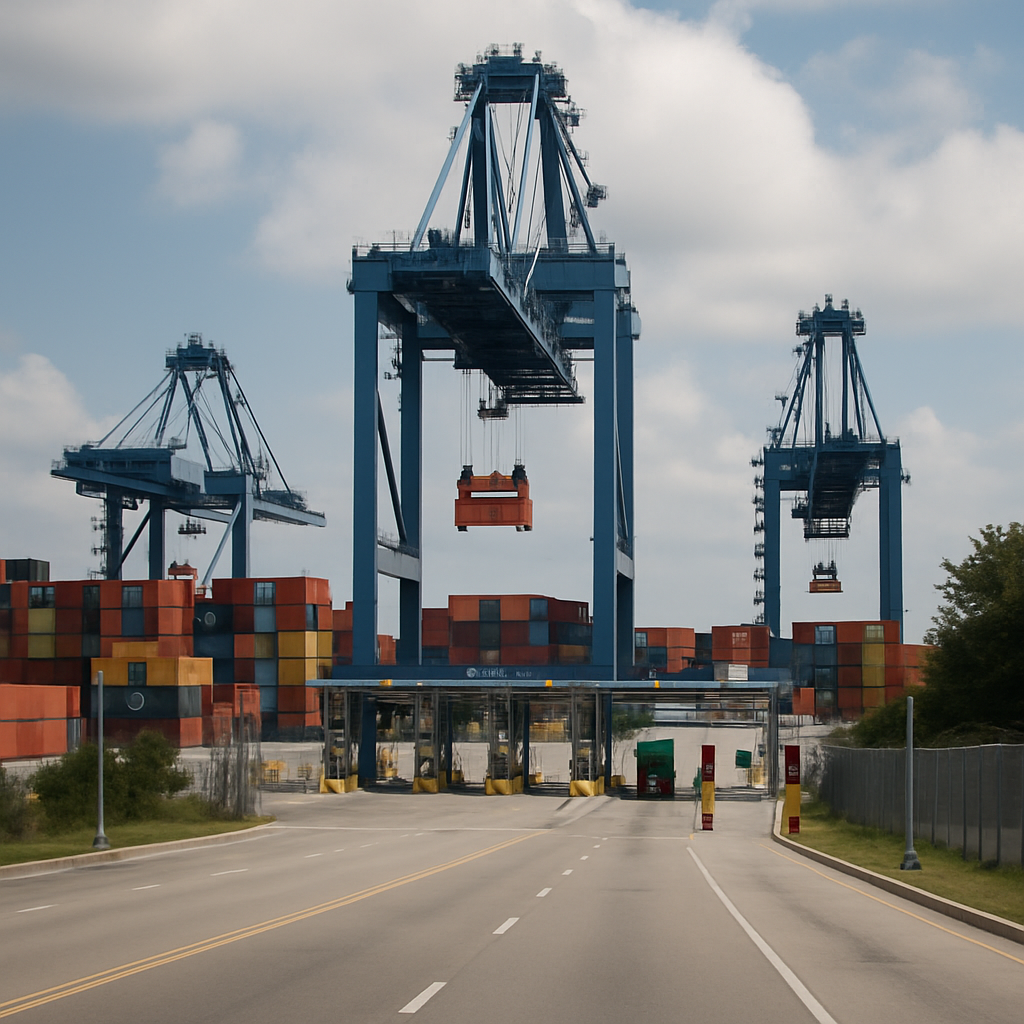
Bayport Container Terminal serves containerised import and export cargo in the Houston-area port complex. If you are collecting or delivering a container, treat the terminal address, gate appointment, cargo release, and current gate status as separate checks: map listings may show a Port Road address in Seabrook, while terminal instructions and booking documents can specify the entrance you must use.
For a practical map reference, Waze lists Bayport Container Terminal at 12619 Port Rd, Seabrook, TX 77586. Confirm the exact gate and routing with the carrier, trucking company, or terminal before departure, particularly for a loaded export or an import pick-up.
Where Is Bayport Container Terminal?
The terminal is associated with Port Road in the Seabrook/Pasadena area on the Houston Ship Channel. Address variations appear in online directories because a marine terminal can have separate operational entrances, offices, and postal references. For a driver, the instruction on the interchange order, appointment confirmation, or carrier release should take priority over a general web-map pin.
Build extra time into the approach. A wrong entrance can mean missing an appointment window, and a container may not be available simply because the vessel has arrived. Availability depends on discharge, terminal processing, customs status, carrier release, and any applicable hold.
What Is the Bayport Terminal Used For?
Bayport is a container terminal: it receives containers from vessels, stores them in the yard, and hands them over for onward transport by truck or rail. It also receives export containers from shippers and drayage carriers for loading onto scheduled vessels. The work around the terminal includes vessel operations, yard handling, gate moves, documentation checks, and coordination with ocean carriers.
GoFreight's Bayport terminal overview describes Bayport as a Port Houston-operated container facility and identifies container tracking, gate operations, drayage, and carrier schedules as practical concerns for freight users. For smaller consignments, a terminal visit is usually not the first step: LCL cargo is commonly handled through a consolidator or container freight station before or after it moves in a shared container. Our guide to LCL shipping, costs, and tracking explains that distinction.
Who Owns or Operates Bayport Container Terminal?
For day-to-day shipping purposes, the useful distinction is between the terminal operator, the ocean carrier, and the cargo owner. The terminal operates the yard and gates; the shipping line controls its bill of lading, release procedures, and vessel booking; and the importer or exporter remains responsible for ensuring that its documents, payments, and instructions are in order.
Bayport is generally identified as a Port Houston container facility in the available terminal material. If a specific legal ownership, lease, invoice, or operational responsibility matters to a transaction, verify it directly with the relevant terminal or carrier rather than relying on a directory entry.
Bayport Container Terminal Tracking and Lynx Access
Container tracking at a terminal is not the same as vessel tracking. A vessel may be alongside or have departed while a particular container is still awaiting discharge, customs processing, a carrier release, or a gate-ready status. Use the tracking tools and references supplied by your ocean carrier and terminal account, rather than assuming that an arrival notice means the box can be collected.
Have the right reference ready: normally a container number, bill of lading number, booking number, or carrier reference. Check for holds, availability, last free day, and release status, then give the same information to the drayage provider. GoFreight states that Bayport users can use Port Houston's tracking tools with container, bill of lading, or booking references, and that the results can include location, holds, and last free day.
Lynx is commonly searched alongside Bayport because customers use the Port Houston portal for terminal information. Access and the information visible may depend on your account permissions and your relationship to the booking or bill of lading. If the portal does not show the container, ask the carrier or forwarder whether the reference, party details, or release status need to be corrected.
Gate Hours, Gate Cameras, and Appointments
Do not plan a move around a generic published schedule alone. Gate hours, extended hours, holidays, weather, congestion, equipment outages, and appointments can all affect whether a driver can complete an import pick-up or export drop-off. The available GoFreight guide describes standard weekday and limited Saturday gate hours, but these should be treated as a starting point, not a live operating notice.
Before dispatching a truck, confirm:
- the current gate hours and any holiday notice;
- that the correct transaction has an appointment, if required;
- that the container is physically available and released;
- the assigned terminal entrance and driver instructions;
- the carrier's empty-return or export-receiving rules; and
- current gate-camera or traffic information, where available.
Gate cameras can help a dispatcher judge congestion, but they do not confirm cargo availability or replace an appointment. A queue can also change quickly after the image is viewed.
What Shipping Lines Use Bayport?
Carrier calls and service rotations can change, so there is no dependable permanent list to use for a live booking decision. The safest method is to check the ocean carrier's current vessel schedule, booking confirmation, or arrival notice, then confirm the named terminal. This matters because the Houston area has more than one container facility, and a container's terminal can differ from the port named in a sales contract or bill of lading.
For imports, your carrier or freight forwarder should be able to confirm the terminal, vessel discharge status, release requirements, and last free day. For exports, confirm the receiving window and cut-off before sending the container to Port Road. Importers who are unclear about which party handles clearance, carrier coordination, and transport may find our comparison of a customs broker and freight forwarder useful.
A Practical Checklist Before You Go to Bayport
- Match the container number and bill of lading to the carrier's release information.
- Confirm that the container is available, not merely that the vessel has arrived.
- Check for customs, carrier, or documentation holds.
- Verify the gate appointment, current hours, and exact Port Road entrance.
- Give the driver the correct equipment, transaction type, and reference numbers.
- Record the last free day and keep the carrier, broker, forwarder, and drayage provider aligned.
Bayport planning is mostly about verification rather than guesswork. Use the Port Road location only as a routing starting point, and rely on current carrier and terminal instructions for the gate, appointment, release, and collection or delivery process that applies to your container.