Ghana Cocoa Season Funding Delays Threaten Buying Ahead of 2026/27 Crop
 Import Export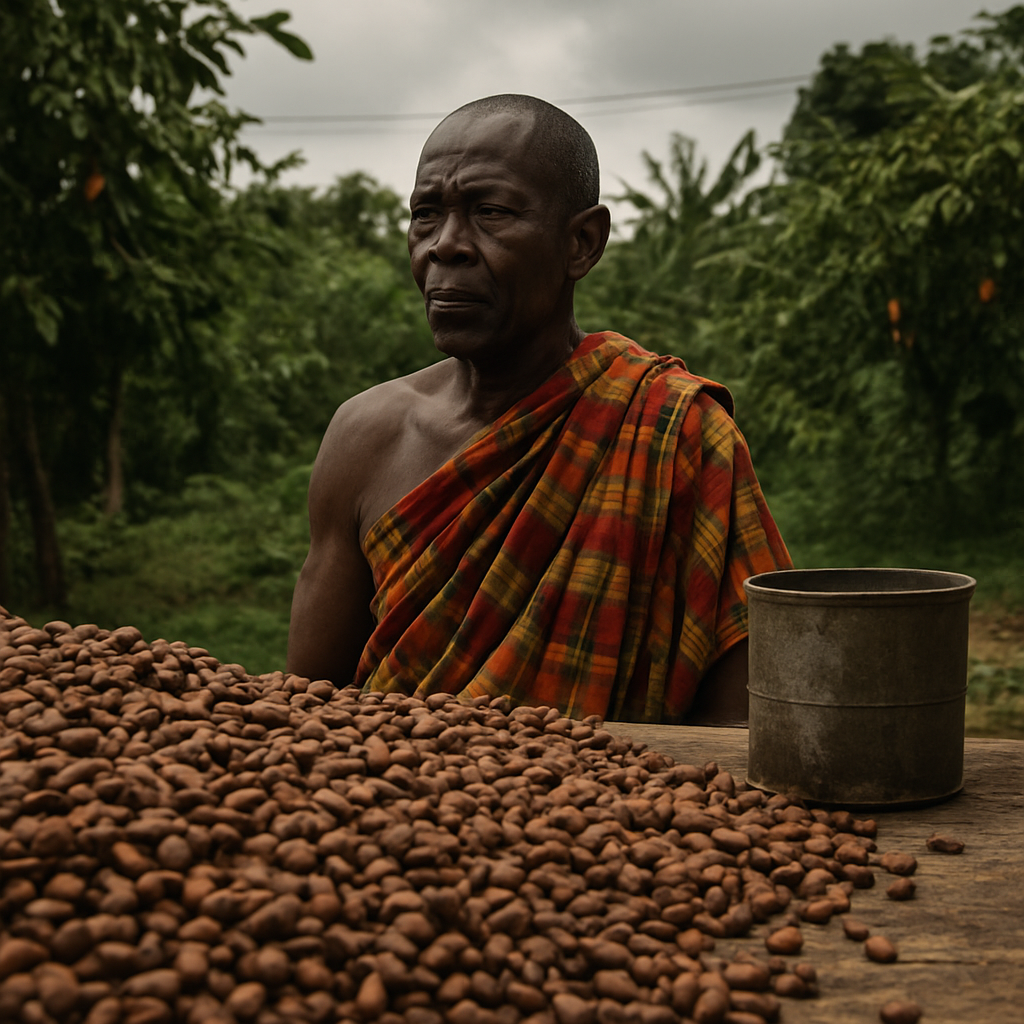
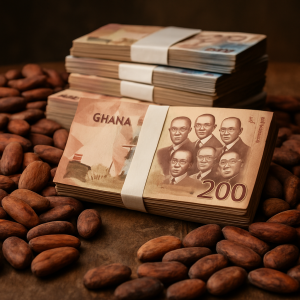
Ghana's 2026/27 cocoa season has been delayed as COCOBOD seeks local financing for bean purchases and licensed buying companies press for repayment of outstanding claims from the previous crop. The funding gap matters across the export supply chain: buyers need working capital to purchase cocoa from farmers, while delayed purchasing can disrupt the flow of beans to processors, exporters, and international customers.
Why is Ghana's cocoa season funding delayed?
Ghana has struggled to restore the financing model that traditionally supported cocoa purchases at the start of the season. According to MyJoyOnline, syndicated funding dried up after Ghana's 2022 economic crisis, while about GH¢7.93 billion in COCOBOD cocoa bills was caught in the 2023 debt exchange.
For the 2024/25 season, COCOBOD moved away from the syndicated loan arrangement used since 1992 and relied on direct financing from international traders. That alternative arrangement reportedly fell through last season, adding to payment delays. Local institutional investors are now seeking a higher risk premium and coupon before committing funds, making bridge financing more difficult and costly.
How large is the funding requirement for the new cocoa season?
The Chamber of Cocoa Marketers, Ghana, which represents licensed buying companies, has said roughly GH¢26 billion, or $2.3 billion, could be needed to fund the season if the farm-gate price rises by an expected 6%. This is a funding estimate tied to that price assumption, not a confirmed farm-gate price.
COCOBOD Chief Executive Dr Ransford Abbey said the board intended to raise about half of the requirement through 270-day commercial notes. He said COCOBOD believed there was sufficient liquidity to raise about GH¢16 billion annually. Whether investors will provide the funding on terms acceptable to the board remains central to the delayed start.
Licensed cocoa buyers say they are still owed GH¢4 billion
Reuters reported via CNBC Africa that licensed cocoa buyers say COCOBOD owes them about GH¢4 billion, or $349 million, for purchases in the last season. The buyers want the arrears settled before the new crop year begins, arguing that unpaid reimbursements limit their ability to obtain bank financing and buy beans.
COCOBOD has described the arrears as part of its routine reimbursement cycle. However, the Chamber of Cocoa Marketers has said recurring settlement delays leave licensed buying companies carrying accumulating interest on bank facilities. Export Import Academy has previously covered the GH¢4 billion owed to Ghana's cocoa buyers ahead of the season.
The issue also follows COCOBOD's restrictions on credit buying by licensed buying companies. Readers looking for background on that purchasing-system change can see our explanation of COCOBOD's LBC credit-buying ban and its effect on Ghana's largest cocoa buyers.
What does the latest COCOBOD news mean for farmers and exporters?
The immediate concern is the timing of purchases. COCOBOD normally secures funding before the cocoa season opens, but the main-crop campaign had not been announced by mid-September. MyJoyOnline reported that this was more than two weeks after Côte d'Ivoire, the world's largest cocoa producer, had launched its main crop.
When licensed buying companies lack cash or are awaiting reimbursement, they may be less able to purchase and move cocoa through the regulated domestic buying system. That can put pressure on farmers' cash flow and create uncertainty for firms that depend on Ghanaian cocoa supply. The Chamber has linked disruption in the buying system to difficulties for farmers, according to Citi Newsroom's report on the chamber's comments.
For exporters, processors, and international cocoa buyers, the development does not by itself establish a specific export shortfall or delivery delay. It does, however, make the financing and start date of Ghana's purchasing campaign an important supply-chain risk to monitor.
How much is one kilogram of cocoa in Ghana today?
The supplied reports do not state a current official farm-gate price per kilogram, so no reliable "today" price can be given here. The GH¢26 billion estimate was based on a possible 6% farm-gate price increase, but that is not the same as an announced producer price.
Farm-gate prices paid to cocoa farmers, prices paid by licensed buying companies, export contract values, and international cocoa market prices are different measures. Buyers and sellers should confirm the applicable official producer price and commercial purchase terms before using any figure in a procurement or export calculation.
Who is the largest buyer of cocoa from Ghana?
The current funding reports do not identify a single largest buyer of Ghanaian cocoa. They distinguish between licensed buying companies that purchase cocoa domestically under Ghana's regulated system and international traders that may finance or buy cocoa for export and processing.
That distinction is important during the funding delay. The immediate dispute concerns payments to domestic licensed buying companies and the capital required for them to purchase beans, rather than a confirmed change in the identity of Ghana's largest international customer.
Why has Ghana's cocoa production declined?
The research supplied for this update does not establish the causes of any production decline. It instead documents financing constraints, outstanding reimbursements to buyers, and a delayed start to the season. Those problems can affect the purchase and movement of harvested cocoa, but they should not be presented as a proven explanation for changes in national production without further evidence.
The next key signals are COCOBOD's announcement of the season's start, the outcome of its local fundraising effort, and progress on payments to licensed buying companies. These will shape how quickly Ghana's cocoa purchasing system can operate at the opening of the 2026/27 crop.