How to Stop Delivery Status Notification Delay Messages in Gmail and What They Mean
 Import Export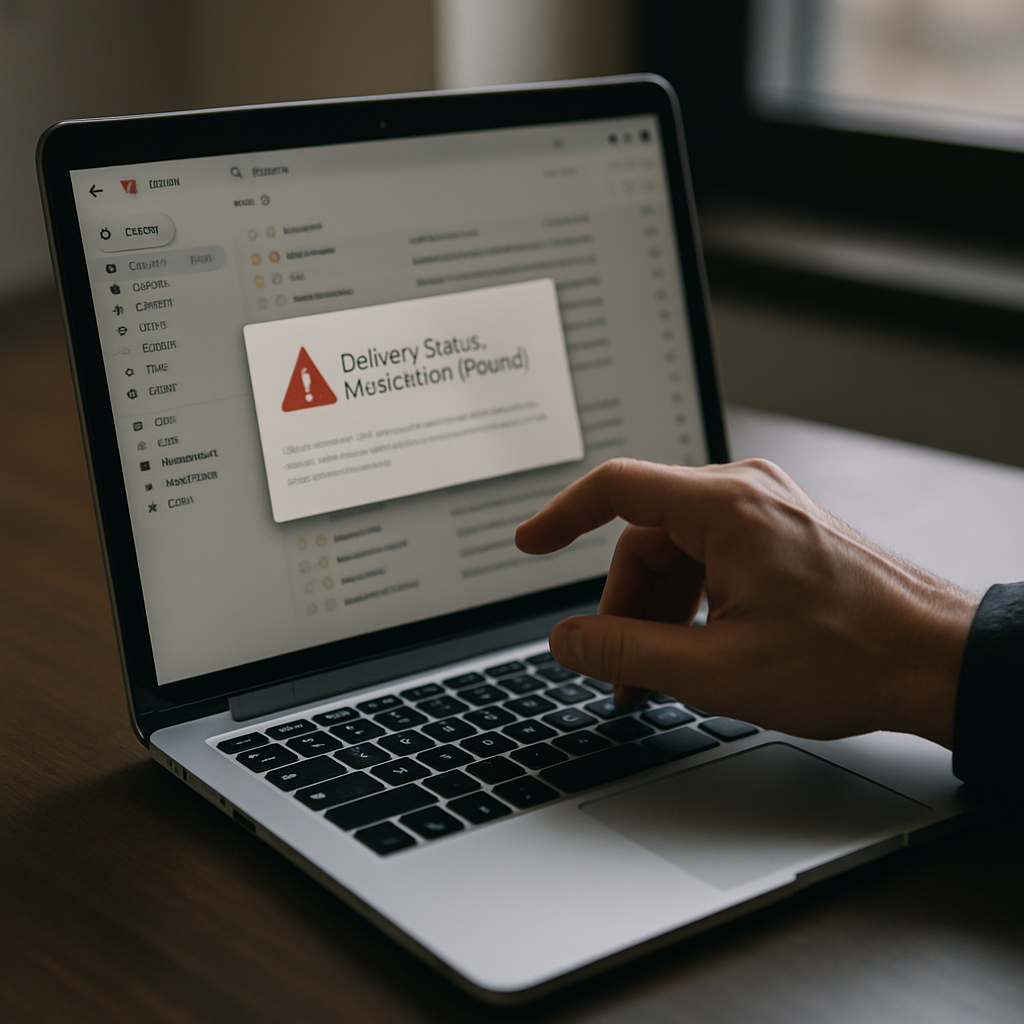
If you keep seeing Delivery Status Notification (Delay) messages in your Gmail inbox, you're not alone. These notifications mean your email hasn't reached its recipient yet—usually due to server hiccups or typos, and there's not much you can do immediately to force delivery. You'll learn what these delay notices really mean, how to minimize or stop them, what to do if you suspect failure or hacking, and how Gmail's Mail Delivery Subsystem fits into the picture so you can communicate more effectively.
Why Am I Receiving Delivery Status Notification (Delay) Messages in Gmail?
When Gmail sends you a Delivery Status Notification (Delay), it simply means your email was sent, but the system hasn't been able to deliver it to the recipient right away. Temporary issues, like the recipient's mail server being down or network congestion, are often the cause.
These messages are nothing to panic about. Gmail is doing its job by letting you know your message is queued for later delivery. According to this helpful breakdown of delay notifications, these alerts act as a heads-up rather than an error—most delayed emails are delivered automatically once the receiving server comes back online.
Common triggers for these delays include:
- Mistyped or non-existent recipient addresses
- Full inboxes on the recipient's end
- Temporary server outages or connectivity issues
Generally, no action is required unless you need the message to arrive urgently. If that's the case, consider reaching out through another method while Gmail continues to try sending your email.
How Can I Stop Getting Delivery Status Notification (Delay) Alerts?
You can't always prevent delay notifications, but you can make them much less likely. Start by double-checking email addresses for errors before you hit send. Most delays happen because the recipient address doesn't exist or has a typo.
If delays happen regularly when emailing certain contacts, verify with the recipient that their inbox isn't full and their mail server is operational. Encourage them to check with their provider if they frequently miss emails from others too.
There's also a human side to email: Sometimes, corporate servers filter or slow mail from certain domains. If you notice delays mostly when contacting a specific organization, try sending from a different email account or ask their IT support about possible restrictions.
While it's annoying, be patient—your email will usually arrive once the technical hiccup resolves. If you experience excessive delays or suspect an account issue, reviewing more details on Gmail user discussions and advice can provide helpful next steps.
What Does a Delivery Status Notification (Failure) Really Mean?
A Delivery Status Notification (Failure) is a different animal: It's not a warning—it's Gmail telling you that your message could not be delivered at all. The most common cause is an invalid, deleted, or blocked recipient address.
Often these failure messages are accompanied by details like "User not found" or "Mailbox full." They mean exactly what they say—your email bounced and won't be retried anymore. If you get this, check the address you typed, reach out to the contact by other means, or wait for them to clear their inbox.
Sometimes these failure notifications are caused by someone accidentally entering your email when signing up for something else, or by spam attempts spoofing your address. According to real-world reports from Gmail security watchers, the safest response is simply to delete unexpected failure notifications, especially if you didn't send an email to that recipient in the first place.
Are Delivery Status Notification Failures a Sign of Hacking?
Getting a Delivery Status Notification (Failure) for emails you never sent is understandably unsettling. Fortunately, this usually doesn't mean your account was compromised.
Spammers and scammers often spoof your email address as part of their campaigns. When these messages bounce, the failure notices return to you. If you notice this happening, don't panic. As Gmail community support posts confirm, these attackers don't have access to your inbox—just your public email address.
The smart move? Mark these suspicious failure notices as spam and never open attachments or click any links within them. Regularly change your password if you have lingering concerns, and enable two-factor authentication for extra peace of mind. The majority of these incidents are harmless and will stop with time or after filtering suspected spam.
If these messages suddenly increase in volume, review your sent folder. If messages appear that you didn't write, change your password immediately. For most users, though, there's no active breach—just annoying spam traffic from bad actors.
What Role Does the Mail Delivery Subsystem Serve in Gmail?
The Mail Delivery Subsystem is Gmail's automated system for sending you status notifications about your outgoing emails. Whenever an email can't be delivered, or is delayed, you'll see a message from this system.
Its alerts help you diagnose delivery problems, whether that's an invalid email address, a full inbox on the recipient's end, or temporary routing issues. The system provides technical details that can help IT experts troubleshoot—but for most users, you only need to read the main warning or error text at the top of the notification.
If you get repeated notifications from the Mail Delivery Subsystem for emails you didn't send, it's still nearly always related to spam or spoofing elsewhere—your account is not necessarily at risk.
With a bit of vigilance and an understanding of how these notifications work, you can improve your email habits, cut down on delays, recognize real failures, and keep your inbox clear of unnecessary alarms.