What Drives Iran Non Oil Exports in Top Products and Country Markets, 2020–2022?
 Import Export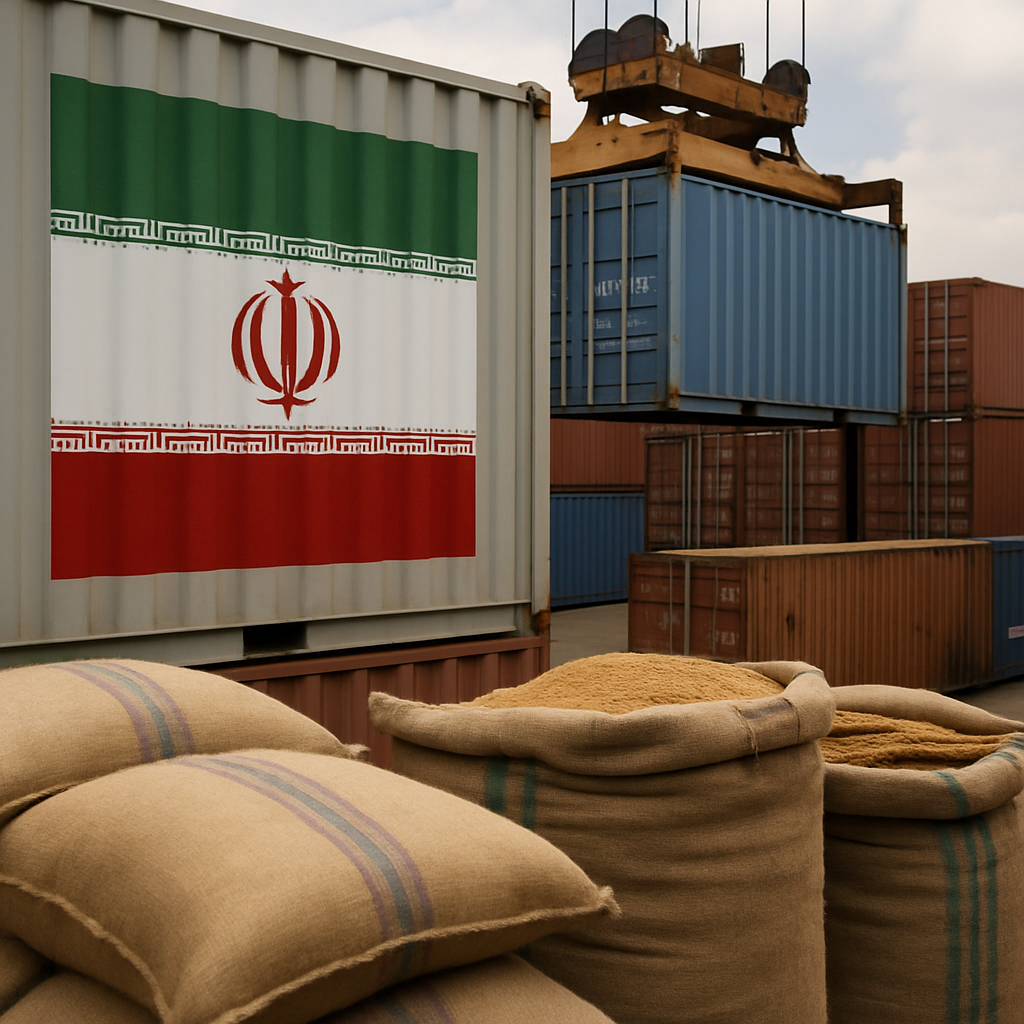
Iran's non oil exports have seen significant fluctuations in recent years but remain a backbone of the country's global trade, offering resilience beyond crude oil revenues. In 2022, these exports rose to 42,246 million USD from 40,748 million USD the year before (source). The most important products include petrochemicals, agricultural goods, minerals, food, and cement. Iran's leading destination countries—such as China, Iraq, the United Arab Emirates, and Turkey—play an instrumental role in sustaining foreign exchange and employment, especially after intensified sanctions. Below, we explore the major goods exported, the evolving destination markets, export values by year, and how shifts in trade routes and global pressures continue to redefine Iran's non oil sector.
Leading Products Shaping Iran's Export Profile
The dominant products in Iran's non oil export portfolio are chemicals, particularly petrochemicals (such as urea fertilizer and polyethylene), alongside minerals, foodstuffs, and cement. These commodities formed the bulk of Iran's 2020 to 2022 non oil shipments. Petrochemicals alone account for a substantial portion of total export value, often exceeding $9 billion annually.
Agricultural products—including pistachios and saffron—remain well-known Iranian exports and have contributed over $5 billion in some years. The cement industry has also expanded steadily due to robust demand in neighboring reconstruction markets. Stone, ceramics, metal ores, and carpets, though now representing a smaller share, continue to define Iran's traditional export identity.
By focusing on value-added goods (e.g., plastics manufactured from domestic hydrocarbons), Iran has insulated itself somewhat from crude market volatility and sanctions, thus maintaining reliable foreign income streams.
Shifts in Country Destinations and Cross-Border Dynamics
China and Iraq consistently rank as the two largest buyers of Iranian non oil exports. In 2022, China accounted for a significant proportion of total value, driven by its high demand for petrochemicals and food products. Iraq remains an eager market for construction materials, packaged goods, and agricultural produce, a trend that reinforces strong economic ties throughout the region.
The United Arab Emirates acts both as a market and a trade gateway, facilitating re-export and logistics for Iranian goods. Turkey's mixed demand for food, cement, and manufacturing inputs underpins its prominent position in Iran's export statistics. Recent trade data show that shifts in maritime access—aggravated by regional conflict—have encouraged the use of land-based transit and diversified country focus. Iran's traditional dependence on Middle Eastern neighbors has yielded increasing attempts at export penetration in South Asian, Eurasian, and, to a lesser degree, African markets.
This evolving geography of export destinations highlights Iran's resilience and adaptive supply-chain strategies in response to international sanctions and logistical disruptions.
Market diversity now serves as a buffer against the risks tied to any single export country, helping to stabilize Iran's foreign trade earnings year to year.
2020–2022: Fluctuations in Export Values and Product Shares
The period from 2020 to 2022 witnessed moderate growth in Iranian non oil exports. Despite pandemic and sanctions-driven headwinds, export values rose from roughly $40.7 billion in 2021 to $42.2 billion in 2022 (Trading Economics). While petrochemicals and agricultural products led this recovery, minerals and construction materials like cement reported steady performance.
Product category shares have shown some year-on-year variation, primarily due to changes in global commodity demand and pricing. Major shocks to maritime transit in 2022 led to temporary contractions in certain high-volume segments, yet overall export totals remained above the pre-pandemic baseline.
These figures underscore the importance of product diversification. While volatile crude oil earnings undermine state revenues, consistent gains in manufactured goods and food shipments have cushioned Iran against external pressures—especially during years of intensified sanctions.
Major Export Categories and Value Trends
Iran's top non oil export categories include:
- Chemical products (notably petrochemicals and fertilizers)
- Agricultural goods (pistachios, saffron, and dried fruits)
- Minerals and stone products (mostly for construction)
- Cement and building materials
- Food items (processed and bulk)
- Textiles and carpets (diminished but persistent)
Between 2020 and 2022, chemical exports retained the highest category share, fueled by favorable regional energy pricing and long-standing investment in petrochemical capacity. Building materials, such as cement, also increased in value thanks to the construction booms in neighboring countries.
Trade statistics confirm that each category's export value is shaped by both international demand cycles and Iran's ability to sustain quality and logistics competitiveness, especially amidst trade restrictions.
Monitoring these categories' year-by-year performance reveals the underlying health of Iran's industrial and agricultural sectors amid global uncertainties.
Impact of Sanctions and Future Export Outlook
Persistent U.S. and EU sanctions since 2018 have altered Iran's export landscape, forcing traders to adopt creative routing, off-shore shipping, and informal channels to sustain non oil trade. The pain has been partly offset by surging demand from regional allies and a pivot to overland routes, which became essential in 2022 due to new maritime blockades (IranWire).
Sanctions have accelerated investment in value-added products and spurred innovation in packaging, logistics, and market adaptation. Nevertheless, transaction costs rose, and formal reporting on the full extent of non oil exports grew more opaque as exporters navigated compliance risks.
Looking ahead, the trajectory of Iran's non oil exports hinges on global energy and commodity prices, access to major buyers like China and Iraq, and ongoing technological upgrades in key industries. Successful adaptation to international standards in food, packaging, and documentation could unlock new markets and support continued growth.
Ultimately, Iran's strategy of diversifying both its key export products and destination countries has helped secure a steady flow of non oil revenues, positioning the country for incremental gains even in challenging global trade environments.
For detailed yearly figures and category breakdowns, see the official Iran Non Oil Exports data.