What Is Destination Customs Clearance In Progress for EU, Canadian, and US Exports?
 Import Export
Understanding the Destination Customs Clearance Process in International Shipping
When you see the status "Destination Customs Clearance In Progress" for your package, it means that your shipment is currently being evaluated by customs authorities in the receiving country, such as the US, Canada, or an EU member state, before the goods are released for delivery. This assessment includes verifying paperwork, ensuring all customs import requirements are met, and checking for any potential customs delays due to regulations or missing information. In practical terms, this step is mandatory to ensure the smooth transition of inbound cargo, whether arriving at seaports like Amsterdam, air hubs such as JFK or LAX, or land border warehouses.
Key Stages Before and During Clearance in the US, Canada, and EU
International exports—whether shipped via air to Stansted, Los Angeles, or ports like Rotterdam and Dover—must undergo a systematic customs review on arrival. The process consists of several sequential stages:
- Arrival at a Border Facility: Your package first enters a customs-controlled warehouse, often in proximity to major airports or seaports such as LAX, JFK, or Amsterdam. This is where inbound cargo is temporarily stored awaiting inspection.
- Customs Form Documentation Review: The customs declaration and relevant Incoterms documentation (like DDP, CFR, or FOB) is checked for compliance with local regulations and to determine who is responsible for duties and taxes.
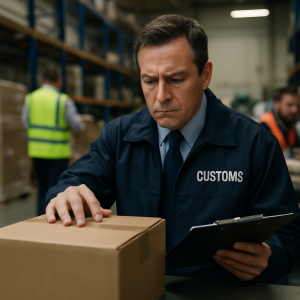
- Physical Inspection and OGA Clearance: Certain shipments may be randomly selected for physical inspection or require additional approval by Other Government Agencies (OGA), such as agriculture or health authorities, before advanced progress is possible.
Each of these steps can be impacted by several variables, from incorrect EDI data exchange to issues at specific weekend or out-of-hours arrivals at zone-based warehouses, leading to potential delays.
Frequent Causes of Customs Delays and the Impact on Shipping Timelines
Delays are a common concern for exporters and logistics providers moving goods between Canada, the EU, the US, and other major markets. The primary causes of such customs clearance delays include:
- Incorrect or incomplete package labels and documentation, such as absent warehouse delivery orders or missing commercial invoices.
- Complexities arising from special customs procedures (e.g., temporary import under T1, T11, or ADC transit documents).
- Peak traffic at major import facilities like Stansted or Los Angeles, especially during weekends or holidays.
- System outages or EDI integration failures within automated customs management systems.
Using the resources and best-practices outlined by industry organizations, such as those described by Destinations, can minimize these obstacles and accelerate package clearance times.
It is wise to track your shipment and communicate proactively with your freight forwarder or customs broker regarding export documentation and real-time movement information.
The Role of In-House Customs Services and Automated Management Systems
Larger exporters and logistics operators often rely on in-house customs clearance professionals to navigate regulatory requirements across multiple borders. This allows for faster responses to issues such as HMRC portal queries in the UK, destination progress disputes with German or Italian officials, or outbound lags from Dutch seaports.
Automated customs management technology, such as those provided by DHL, Aramex, Geodis, and DSV, enhances transparency and reduces the risk of manual error. These systems manage the flow of documentation between cargo carriers, customs offices, and warehousing facilities, using digital protocols like the EDI order system.
Modern automated post-clearance notifications keep stakeholders updated on each step, so delays caused by missing information or ambiguous Incoterms (e.g., CFR versus DDP) can be quickly resolved. This approach is particularly effective for complex export operations across the US, Canada, and EU, where delivery order accuracy and inbound monitoring are fundamental.
For those seeking additional guidance on professional destination management services, reference organizations such as Destinations International for their stewardship resources and industry practices.
How Exporters Can Prepare for Fast Customs Clearance at Destination
Thorough preparation is the key to ensuring your cargo clears customs efficiently upon arrival at destinations like JFK, LAX, Liverpool, or Amsterdam. Exporters should:
- Prepare all commercial and transport documentation accurately, including delivery orders and any courier package references (like Skynet, TNT, or Aramex exports).
- Regularly communicate with the warehouse or facility managing the inbound cargo, especially when delays at customs are flagged or a status such as "awaiting customs clearance" is shown.
- Understand the specific customs requirements for each national market; EU, Canadian, and US authorities may have differing documentation standards and thresholds for OGA involvement.
- Use automated post-shipment updates to monitor the clearance status and catch issues early.
This proactive, informed approach reduces the risks of shipping setbacks, increases the likelihood of fast customs release, and ensures a seamless outbound and inbound transition—whether for package, cargo, or bulk freight logistics.
By understanding each stage of the customs clearance process at the destination, exporters and importers alike can achieve a smoother path for their shipments across US, EU, and Canadian borders, minimizing costly delays and maintaining control at every step.