Package Available For Clearance: Meaning, Customs Broker Role & Transit Delays Explained
 Import Export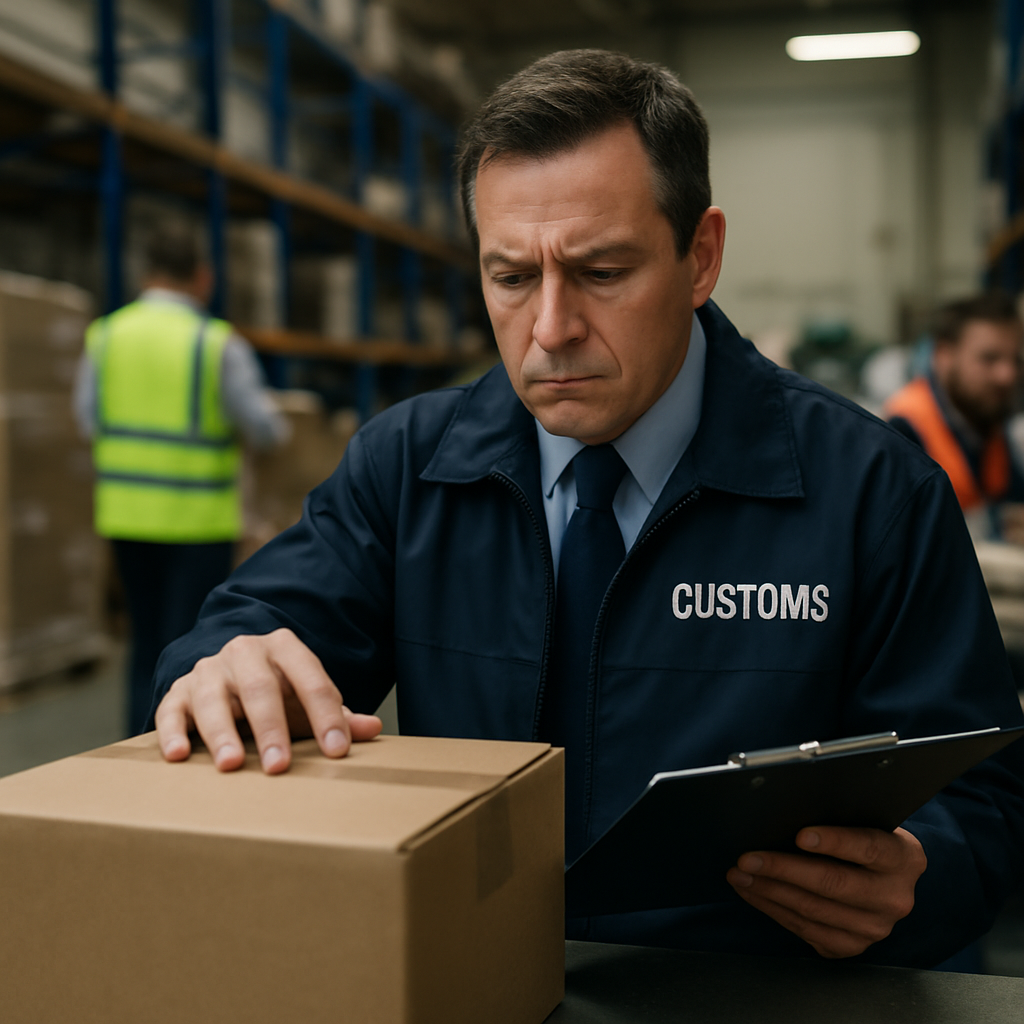
When your shipment status updates to "Package Available For Clearance," it signifies that your item has physically arrived in the destination country and is now queued for customs inspection—a key step before final delivery. This does not mean your package is cleared yet; rather, it will remain in holding until required documentation, duties, and verifications are fully processed. Understanding this process is vital for importers, exporters, and anyone involved in global shipping, since customs can be a frequent reason for transit delays. Here, we break down what this FedEx, UPS, or DHL status means, the role of a customs broker, and how you can respond proactively to ensure your freight continues its journey smoothly (source).
What does it mean if a package is available for clearance?
When your tracking portal flashes "available for clearance," it means the physical box has successfully arrived at the destination country's border hub. The paperwork is filed. Now, the waiting game begins. The carrier has officially handed over your commercial invoice and import documents to the local border authorities. Customs agents will now review the item's declared value, examine the stated contents, and verify the origin to calculate applicable duties or flag restricted materials. To better understand this specific handover, you can review standard international customs clearance procedures. Your shipment sits in a highly secure holding area. It remains entirely out of the courier's hands until the government formally releases it.
How long will my package be in clearance?
In a perfect world, a package sails through customs in just 24 to 48 hours. But reality often tells a very different story. If your commercial invoice is perfectly legible, duty payments are pre-authorized, and the goods are completely benign, the process is practically instantaneous. Conversely, missing tax IDs or vaguely described contents will immediately grind the gears to a halt. Officers will quarantine the box. Sometimes, highly specific goods trigger intensive physical inspections. For instance, agricultural products or food items routinely face intense scrutiny, as seen in cases involving a clearance delay at a major hub like Newark over seemingly harmless liquid extracts. If paperwork is missing, expect delays stretching from several days to a few agonizing weeks.
How long after clearing customs will my package arrive?
The finish line is finally in sight. Once the border agents stamp their approval, arrival time depends entirely on the specific transit service you purchased. If you booked an overnight express tier, expect the delivery truck the very next business day. Standard ground shipping takes slightly longer, typically landing on your doorstep within two to five days. Physical distance heavily dictates this timeline. A package cleared in Miami takes much longer to reach Seattle than one released in Los Angeles. If your tracking indicates a snag right at the final checkpoint, you might need to investigate how to resolve remaining customs holds, such as unpaid final duty invoices that stall the final dispatch.
What is the next step after clearance is finished?
The government is officially done with your shipment. Clearance finished is the exact green light couriers patiently wait for. The customs facility physically releases the cargo back to the logistics provider. From there, warehouse workers swiftly move your box from the international holding pen onto domestic sorting belts. It gets a fresh barcode scan. Next, freight handlers load it onto a regional transport truck or a domestic flight headed toward your local distribution center. You will see tracking updates immediately shift from administrative jargon back to physical movement alerts. The bureaucratic hurdle is successfully cleared. The final-mile delivery sequence is officially active.
The Customs Clearance Event: From Arrival to Action
Once your package's tracking shows "available for clearance," it has passed through the port or airport and entered the customs review queue. At this juncture, customs authorities begin examining shipment paperwork such as invoices, product values, and commodity codes. Properly completed documents at this stage can significantly minimize processing delays.
For high-volume international hubs like Memphis, TN, or Dulles, your shipment will typically enter a centralized customs facility or bonded warehouse. Major express carriers like FedEx often use automated systems such as EXPRESSCLEAR® to expedite document review, but incomplete paperwork can quickly stall progress, resulting in your package staying in "in progress" or "awaiting pickup" status (video reference).
Various scenarios can trigger additional scrutiny—examples includeheavy-dutyy shipments, unclaimed freight, or valuable cargo flagged for clarification. Coordination between customs officials, expediters, and your chosen customs broker often determines turnaround speed.
Understanding the Customs Broker's Responsibility
A licensed customs broker serves as your intermediary during the customs clearance process, ensuring that all regulatory requirements are fulfilled for shipments arriving at major import centers or factories worldwide. Their expertise is especially valuable for resolving documentation discrepancies, estimating duty payments, and handling event statuses where "package available for clearance" triggers due to special cargo, such as heavy machinery or high-value electronics.
Brokers may help locate your package in the customs-controlled port or storage warehouse, especially when you're dealing with complex shipments, new products, or shipments routed through multiple carriers. They are also your point of contact for quickly obtaining release or clarification if customs needs more information.
Delays can be avoided by providing clear records to your broker in advance—details that help them expedite clearance actions and reduce the wait time for your shipments. Some brokers, such as those specializing in American-held or reserve Hawthorne warehouse shipments, use advanced tracking solutions to monitor every event update.
Working closely with a broker ensures smooth extraction from customs and guides your package onto the next transit phase, be it road, rail, or last-mile delivery.
Transit Delays: Why Packages Get Held Up
Several factors can influence how long your package remains at the clearance stage. Among the most common issues:
- Incomplete or unclear shipping documentation, such as invoice inaccuracies or missing import codes.
- Unpaid duties or taxes are preventing customs officers from releasing the shipment.
- Packages flagged as high-risk or containing restricted items, prompting manual inspection or additional paperwork.
Carrier-specific procedures may also contribute to holding events. For example, FedEx and UPS both utilize centralized hubs (like Memphis, TN, or Dulles) where large freight shipments may experience batch processing delays. Unique items such as unclaimed freight, factory transit cargo, or shipments managed by expediters often remain "on the way" for extended periods in such facilities.
Monitoring your tracking for "event meaning," "status updated," or "action expediters" messages can provide insight into what is holding the shipment back—and whether intervention from your customs broker is needed.
Strategies to Avoid Prolonged Wait Times at Customs
To minimize clearance times, ship with accurate paperwork and full transparency about your cargo's value and nature. Consider enlisting a customs broker well-versed in the requirements for your shipment's destination, especially if you are sending valuable cargo, heavy-duty items, or complex freight that might be flagged at the port.
Routine audits of previous shipments can reveal bottlenecks, such as missing documents or ambiguous cargo descriptions. It's also wise to check your carrier's customs event history; for instance, if you frequently import into high-throughput locations—such as a New Zealand shipping bureau or a Parcelforce extraction center—review your process for possible improvements.
Additionally, some importers reserve space in bonded warehouses so their factory shipments can clear more quickly. This strategy is especially effective when working with American-held items or specialty expediters who manage extract and locate functions for you.
By combining clear documentation with proactive communication and the strategic use of brokers, your next shipment will face fewer obstacles as it moves from "package available for clearance" to delivered status.
Tracking Updates and Next Steps After Clearance
Once customs is satisfied with the documentation, duties, and inspections, your shipment status will update to indicate it has cleared. From there, the carrier will resume transit—either for direct delivery, transfer to an awaiting pickup facility, or final road/port transport.
Keep monitoring your shipment status for updates such as "on the way," "preparing shipment," or "is picked up by the company." Each message marks progress from the warehouse through shipping zones to its destination. If any new hold arises—like "warehouse reserve" at Hawthorne or a status like "factory in transit"—consult your broker or the carrier immediately.
Clear communication between you, your customs broker, and your shipment providers is vital for avoiding last-minute delays and ensuring valuable cargo reaches its endpoint securely and on time.
Understanding what "package available for clearance" truly means empowers you to take timely actions that smooth the journey of your critical imports and exports.