Customs Clearance Ups: International Shipping Process, Import Types, and Required Documents
Understanding the actual process behind customs clearance with UPS is essential for anyone shipping goods internationally. Whether you are an importer, exporter, or simply receiving a package from overseas, knowing how the process works, what UPS does, and what documents are required helps you avoid unwanted delays and additional costs. Customs clearance UPS services act as a vital link between shippers and customs authorities, handling procedures, paperwork, and regulations that ensure your shipments legally move across borders. Knowing what to expect and how to track progress is the key to a smooth international shipping experience.
How the International Shipping Process Works in the US
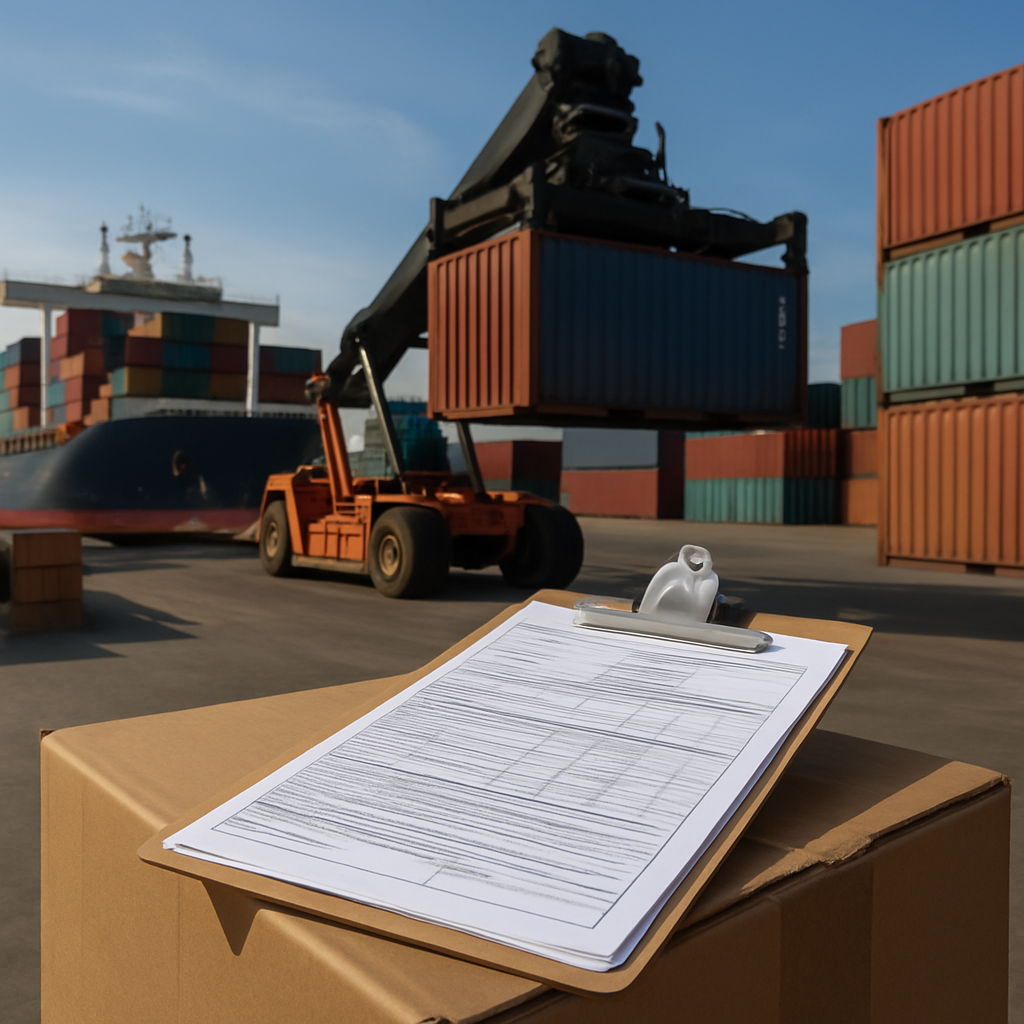
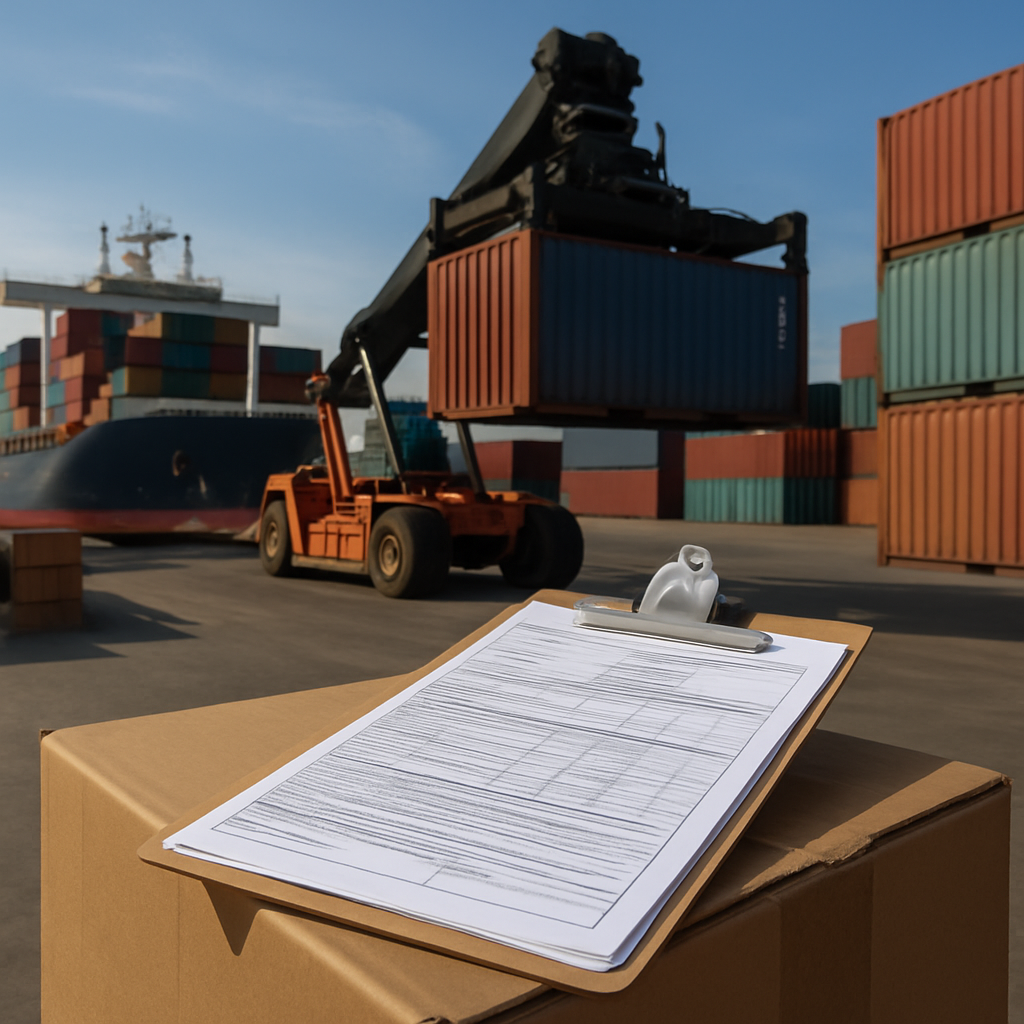
Every international shipment using UPS must enter the customs clearance process when arriving in the United States or any other country. This is not just a formality: without proper clearance, goods cannot legally cross borders. For shipments entering the US, customs clearance ensures compliance with all relevant import regulations, payment of duties, and verification of required paperwork.
UPS has dedicated processes in place that help streamline international shipping. The shipping process starts in the origin country, with the shipper preparing all necessary customs documents, including the commercial invoice and any other forms required by country-specific regulations. As shipments reach US territory, they undergo inspection and review by U.S. Customs Border Protection. This inspection verifies item classification, the declared value, and checks for prohibited or restricted materials.
The flow of shipments includes timely updates and status notifications, which customers can follow using UPS tracking in the USA. However, actual clearance times may vary, especially during periods of high volume or at major hubs such as Louisville or Philadelphia, as discussed by users sharing real-world experiences on Reddit.
Import Types and Customs Entry Procedures
There are several types of customs entries recognized in the US import process, and each requires specific forms and compliance checkpoints. The type of entry depends primarily on the value and intent of the shipped goods. These range from informal entries (covering shipments below a certain value) to formal entries for high-value or commercial merchandise, and even temporary imports meant for exhibitions or repairs.
UPS, acting as a customs broker, manages these processes on behalf of shippers or receivers, ensuring every shipment is matched with the correct type of entry declaration. Documentation accuracy is critical here; misclassification or improper paperwork can result in delays, additional inspections, or even seizure of your goods. Importers should always use the most current and complete data regarding shipment details, codes, and descriptions for every transaction.
Understanding challenges—such as backlogs or bottlenecks at major airports or ports of entry—is part of successfully navigating the import process. Relying on up-to-date shipping and customs advice allows businesses to prevent delays and minimize disruptions. Seeking help from the UPS customs clearance phone number or using their tracking tools can provide real-time updates when shipments are held for additional review.
Explanation of Duties, Taxes, and Cost Considerations
Duties and taxes are applied to almost every international UPS shipment entering the United States. These are determined based on the category of goods, the country of origin, and the declared value listed in the commercial invoice. Either the shipper or receiver is responsible for paying these fees, depending on the chosen shipping terms (such as DDU: Delivered Duty Unpaid, where the receiver pays upon delivery).
UPS helps both shippers and receivers understand cost breakdowns before shipments depart. Costs may include federal import duties, local taxes, and brokerage fees. Transparency in describing goods and providing accurate values on customs forms is paramount; inaccuracies may trigger customs investigations or cause unnecessary costs for importers and recipients.
- Commercial Invoice: This is the primary document used to calculate duties and validate shipment details. Shippers must ensure the invoice is complete and accurately describes the items, value, and purpose of the shipment. Mistakes or missing information can cause delays or rejections at the customs border, making proper documentation indispensable for smooth processing.
- Payment of Duties and Taxes: Fees can be prepaid by the shipper or paid by the receiver, depending on account preferences and shipping arrangements. Knowing and communicating who is responsible is critical to avoid disputes or delays at the point of delivery. Most consumer shipments from e-commerce platforms like Shein default to the receiver for payment unless arrangements are made in advance.
Expert guidance from UPS and consistent tracking help eliminate surprises regarding fees and costs. Shippers are advised to consult official resources, such as the UPS customs clearance guide, for up-to-date duty and tax information on frequently imported products.
Tracking, Phone Support, and Codes for US Customs Shipments
The ability to track the status of an international shipment is a major advantage for UPS customers. Each package receives a unique tracking number, allowing for updates from the time of shipment through the customs clearance process and final delivery. This transparency helps shippers and receivers prepare for any action required—be it submitting additional documents, making payments, or responding to customs inquiries.
Delays sometimes occur when shipments reach port entry points or major airports. During peak shipping seasons or customs backlogs, it is not uncommon for packages to be held for several days. Reliable communication with UPS support is key to resolving issues. Dedicated customs clearance UPS phone numbers are available for status requests, payment concerns, or for submitting required forms. Using these phone lines ensures prompt attention to unresolved clearance issues and accelerates communication with customs officials.
Proper use of customs codes and item classification is essential. Each product must be matched to its correct harmonized system (HS) code for regulatory compliance and duty calculation. Inaccurate or missing codes can delay processing, so reference to the UPS customs guide and direct support lines is strongly recommended for first-time importers or when importing uncommon goods.
Required Documents for Seamless Customs Clearance
International shipments handled by UPS require precise documentation for customs clearance. The foundation of every UPS shipment is the commercial invoice, documenting product details, value, and country of origin. Additional forms, licenses, or certificates may be necessary depending on product category, value, and destination.
Immigrant shipments, certain electronics, chemicals, or items from China may require port entry lists, certificates, or unique import documents. Always check specific requirements before sending or receiving, as incomplete paperwork is a common cause of held shipments and delivery delays. Utilizing UPS’ extensive resources, including digital customs form transmission for account holders, greatly expedites the process and minimizes errors.
Documentation must always be current and consistent. Discrepancies or inconsistencies in item description, declared value, or origin data can trigger customs flagging and inspection. When importing high-value or bulk goods, consult with UPS customs brokerage services to verify all documents prior to shipment release for entry into the US.
What to Do When Shipments Are Delayed in Customs
Delays are often unpredictable and can be caused by factors outside the shipper or receiver’s direct control, including customs backlogs at US airports, incomplete paperwork, or clarification requests from customs authorities. The UPS tracking portal allows users to see the status of their shipment in near real-time, but persistent delays often require proactive support intervention.
According to first-hand reports from customers on Reddit, contacting the appropriate UPS customs clearance phone number or dedicated support email provides the fastest route to issue resolution if your shipment is stuck on ‘import scan’ or in a status loop at an airport hub.
Effective communication, complete forms, and correct tracking procedures combine to minimize customs-related delays. Relying on UPS’ brokerage expertise and frequently checking the official UPS support page ensures both businesses and individuals have the tools, knowledge, and point of contact necessary for resolving challenges and keeping shipments moving efficiently.
By mastering the documentation, tracking best practices, and US customs requirements, every shipper or recipient can navigate the customs clearance UPS process with greater speed and confidence.