Shipping Routes From China to the USA: Sea, Air, Costs, and Transit Choices
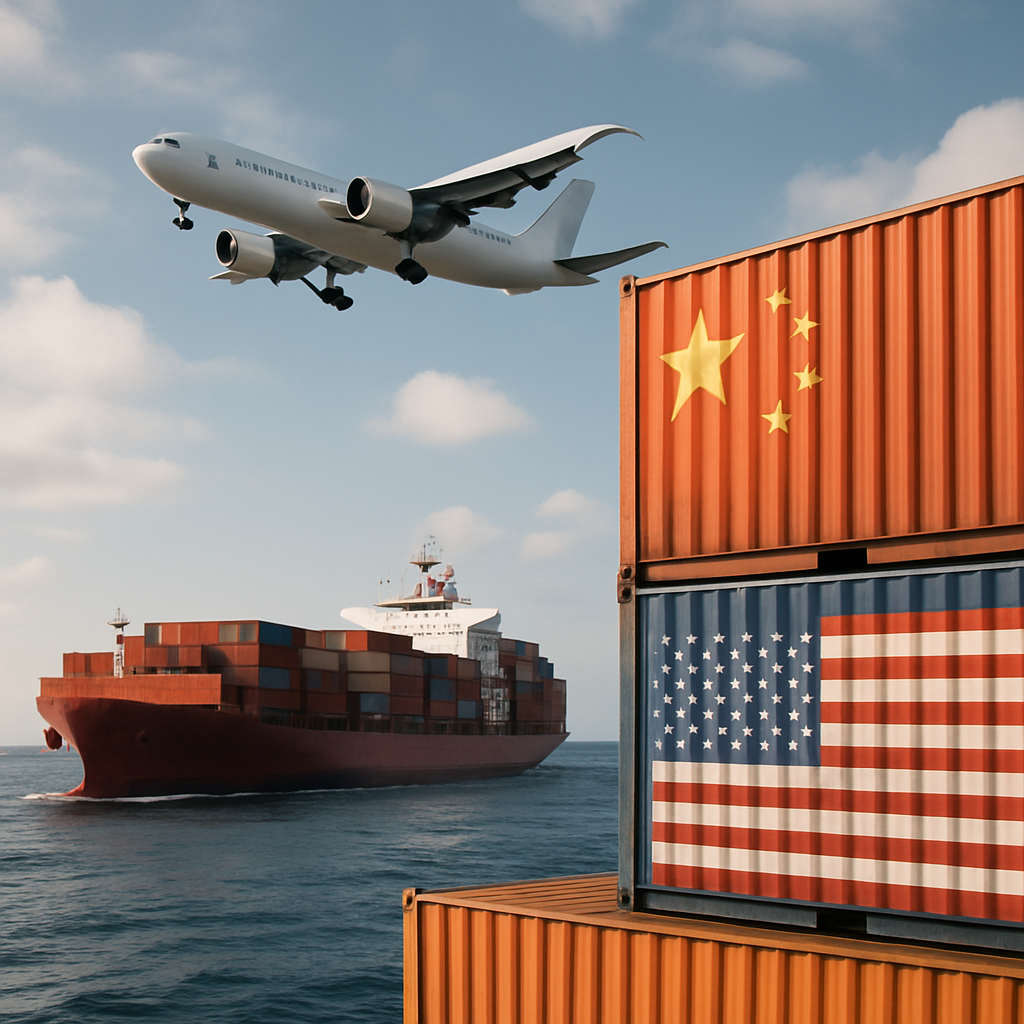
Most cargo travelling from China to the USA crosses the Pacific. Ocean freight usually enters through West Coast ports or continues through the Panama Canal to East Coast and Gulf Coast ports, while air freight and express couriers use airport and hub networks. The best route depends on your Chinese pickup point, final US delivery location, shipment size, cargo value, and how quickly you need the goods.
A route is not simply a line on a map. For an importer, it is the full movement from the supplier’s factory through export handling, international transport, US arrival, release, and inland delivery. Choosing the right one means comparing the whole journey, not just the ocean leg.
What Are the Main Shipping Routes From China to the USA?
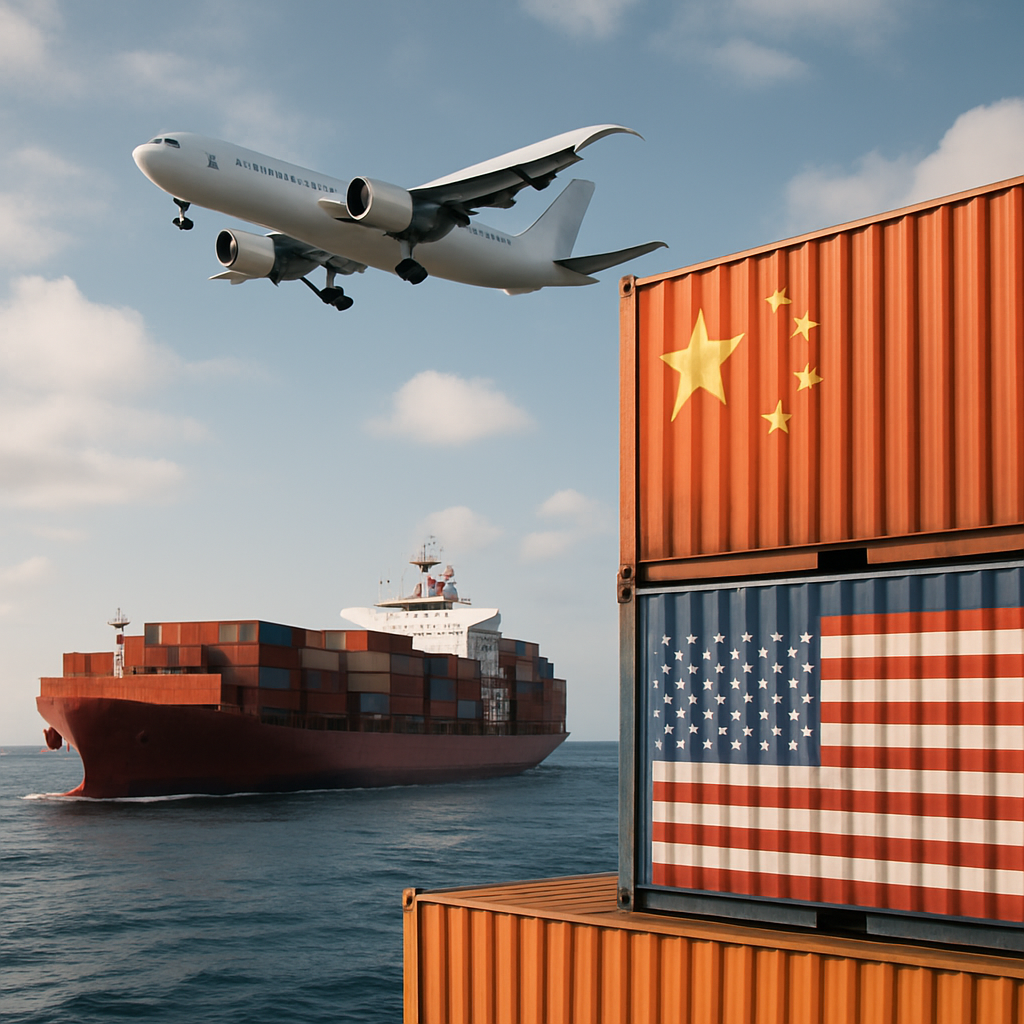
The principal ocean option is the trans-Pacific route. Vessels sail east from Chinese ports to the US West Coast, providing the most direct common sea connection to the continental United States. For cargo destined for the East Coast or Gulf Coast, services commonly cross the Pacific and continue via the Panama Canal.
Tonlexing’s route guide gives Shanghai to Los Angeles as approximately 6,000 nautical miles and Ningbo to New York via Panama as approximately 11,000 nautical miles. These are port-to-port approximations, rather than door-to-door distances, so they exclude collection, transhipment, customs release, rail, and final trucking.
- China to the US West Coast: a direct Pacific crossing for freight entering through West Coast gateways, with rail or truck connections available for inland destinations.
- China to the US East Coast: a longer Pacific voyage that commonly uses the Panama Canal before reaching Atlantic ports.
- China to the Gulf Coast: cargo may also cross the Pacific and continue through the Panama Canal to Gulf ports.
- Air and express networks: freight flies from Chinese or Hong Kong airports to US airport gateways, then moves by truck or courier to the consignee.
The exact port pair matters. A supplier near Shanghai, Ningbo, Shenzhen, Qingdao, or another export gateway may have different sailing options, schedules, and inland costs. The destination should be selected with the final delivery point in mind, not only the port nearest to a point on a shipping-routes-from-China-to-USA map.
China to US West Coast Shipping Routes
West Coast routes are generally the logical ocean choice when the consignee is in California or another western state, or when an importer plans to move containers inland by rail or road. The direct Pacific crossing avoids the additional canal passage required for many East Coast and Gulf Coast services.
The route may still make sense for inland cargo, but it is not automatically the best choice. An importer should compare the combined ocean service, terminal handling, rail or trucking arrangement, delivery appointment requirements, and schedule reliability against an all-water service to an eastern or Gulf port. A cheaper ocean leg can be outweighed by inland transport or handling costs.
China to US East Coast and Gulf Coast Shipping Routes
East Coast and Gulf Coast freight commonly travels across the Pacific and passes through the Panama Canal. This adds distance compared with a West Coast arrival, but it can reduce the need to move freight across the United States after discharge. It can therefore be a practical option for cargo ultimately bound for the Atlantic seaboard, the Southeast, or Gulf states.
Basenton’s overview of China-USA shipping routes likewise describes East Coast services via the Panama Canal and notes that Gulf Coast cargo can follow the Pacific route. Route selection should remain flexible: vessel schedules, port calls, capacity, transhipment arrangements, and the final US address can all change the preferable routing.
A less direct route through Europe and the Suez Canal may be discussed as an alternative for some East Coast movements, but it is not the normal starting assumption for general China-USA container planning. Ask a freight forwarder to quote the actual service and port pair rather than accepting a route label without a full itinerary.
How Are Things Shipped From China to the USA?
Goods are typically shipped by ocean freight, air freight, or express courier. Ocean freight is suited to containerised cargo and larger consignments where transport cost matters more than speed. Air freight is used when the cargo is too urgent for sea freight, while DHL, FedEx, UPS, and similar express networks are often used for smaller, urgent parcels and samples.
Fasary Logistics explains that the practical route can include factory pickup, export warehouse handling, ocean or air transport, US port or airport handling, customs release, inland transfer, and final delivery. For air freight, it identifies major origin gateways including PVG, CAN, SZX, HKG, and PEK, and US gateways such as LAX, ORD, JFK, DFW, and ATL.
For container freight, you will normally choose between a full container load (FCL), where one shipper uses the container, and less-than-container load (LCL), where compatible cargo is consolidated. LCL pricing and suitability often depend on volume as well as weight; use a freight volume and volumetric-weight calculator before requesting comparable quotations.
What Is the Fastest Shipping Method From China to the USA?
Express courier is normally the fastest practical option for small, urgent shipments. Air freight is the usual alternative for larger commercial consignments that need to move faster than sea freight but do not fit the express-courier model. Ocean freight is generally chosen when cost efficiency and capacity are more important than speed.
Fastest does not always mean quickest door to door. Collection from the supplier, export handling, airline capacity, paperwork, arrival processing, customs release, and final delivery can all affect the result. When requesting a quote, ask whether the stated timing covers airport-to-airport or port-to-port transport only, or the complete door-to-door movement.
Which Is the Cheapest Route From China to the USA?
There is no universally cheapest shipping route from China to the USA. Ocean freight is often the economical mode for heavier or higher-volume commercial cargo, but the cheapest total option depends on the departure point, destination, shipment dimensions, weight, container use, service level, and inland delivery plan. A low headline ocean rate does not settle the comparison.
Request a like-for-like landed logistics quote that separates origin collection, export handling, international freight, destination handling, customs-related services, rail or trucking, and delivery. Confirm which party is responsible for each item under the agreed Incoterm. Import duties, taxes, and product-specific compliance costs are separate questions from the carrier’s freight charge and depend on the goods and import circumstances.
If you are unfamiliar with the export-side paperwork and handover process, our guide to China customs clearance, documents, and potential delays can help you ask a supplier or forwarder more precise questions before cargo is collected.
How to Choose the Best China-USA Shipping Route
Start with the final delivery postcode and work backwards. A West Coast port may be efficient for western destinations, while an all-water East Coast or Gulf Coast service may be worth considering when it reduces inland movement. Then compare complete quotes and schedules for the actual factory, port or airport of departure, US gateway, and delivery address.
- Confirm the supplier’s collection location and when the cargo will be ready.
- Measure and weigh the packed shipment, including pallets or crates.
- Decide whether FCL, LCL, air freight, or express best fits the urgency and cargo value.
- Compare door-to-door quotations, not just ocean or air line-haul rates.
- Check the planned US gateway and the inland delivery method.
- Agree who arranges transport, prepares documents, acts as importer, and manages customs entry.
- Allow contingency for schedule changes, congestion, transhipment, release, and delivery appointments.
The most suitable route is the one that delivers the right balance of cost, timing, and operational control for your shipment. A forwarder should be able to show the full routing and hand-offs, allowing you to compare a direct Pacific service, a Panama Canal service, and an air or express option on the same practical basis.