Ghana Cocoa Board Payments to Buyers: GH¢4 Billion Arrears Ahead of Season
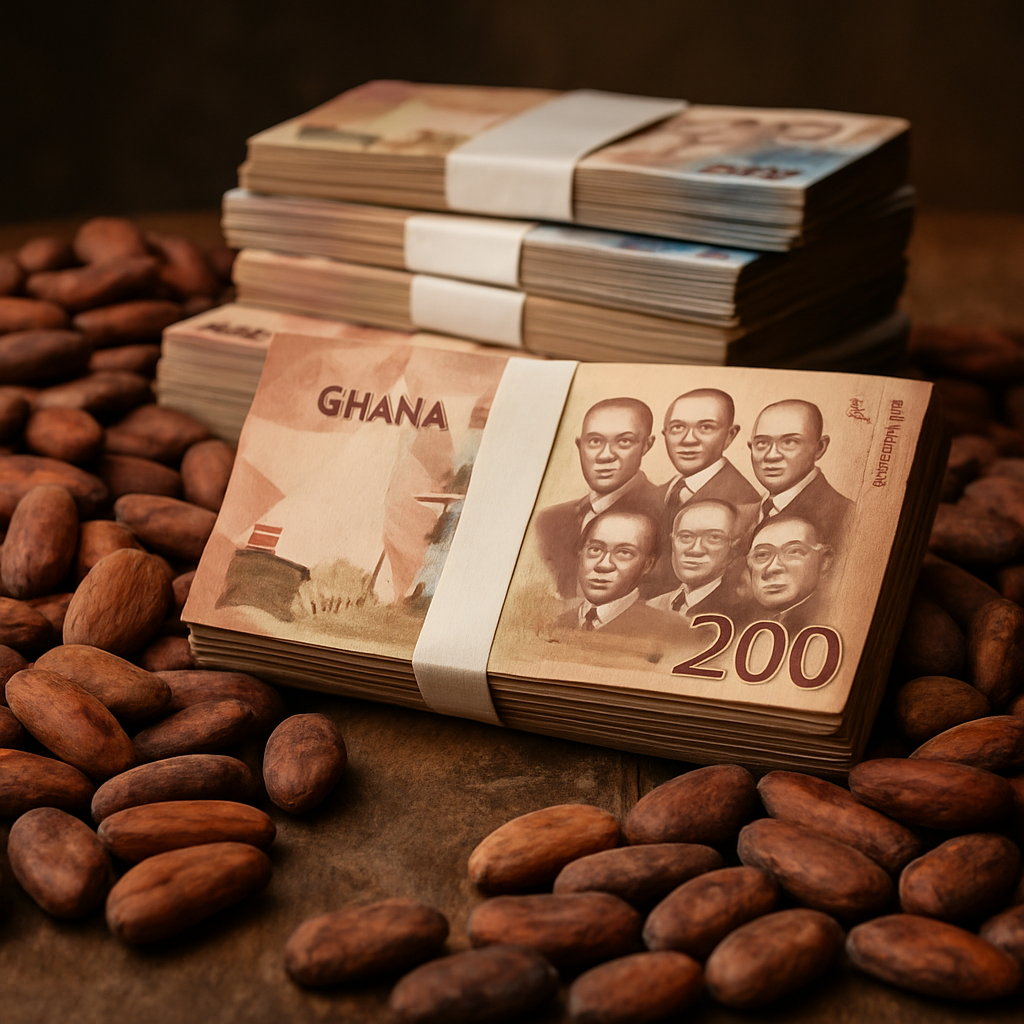
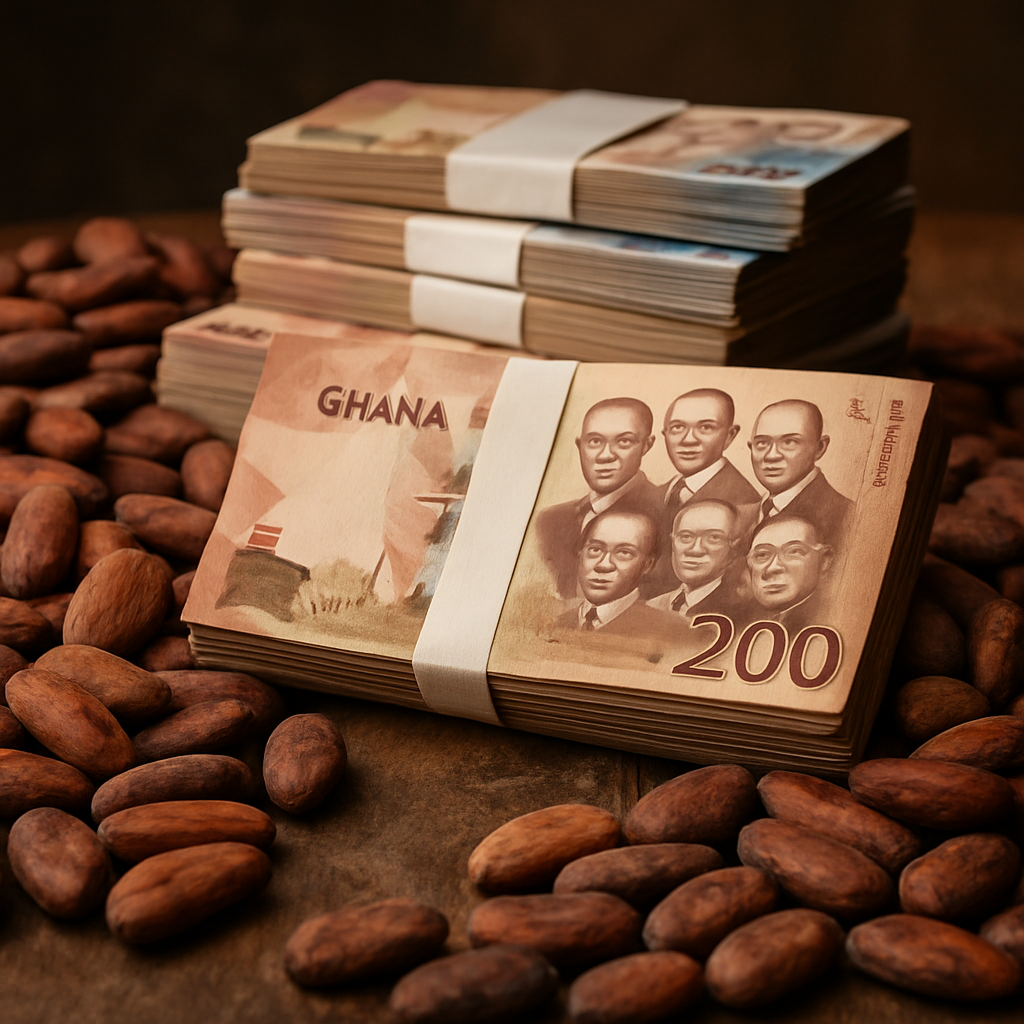
Ghana Cocoa Board (COCOBOD) is reported to owe Licensed Buying Companies (LBCs) about GH¢4 billion for cocoa purchased during the last season. The buyers’ industry body wants the arrears settled before the new crop year, warning that delayed reimbursement could limit the funding available to buy beans from farmers. COCOBOD says outstanding LBC payments can be part of its normal post-season reimbursement cycle and says it plans to address them with the buyers.
What the reported COCOBOD payments arrears mean
Reuters reported via CNBC Africa that the Chamber of Cocoa Marketers, which represents licensed cocoa buyers, put the amount owed by COCOBOD at roughly GH¢4 billion, or $349 million. The chamber said payment was needed before the new season opens, because buying companies must secure substantial finance to purchase cocoa.
COCOBOD’s public affairs head, Jerome Sam, described the arrears as a routine part of the reimbursement process. Under this arrangement, LBCs may pre-finance purchases from farmers and subsequently seek reimbursement from COCOBOD. The board has said it intends to meet the companies or their chamber to resolve outstanding payments, although no settlement timetable was provided.
Why Licensed Buying Companies need reimbursement
LBCs are a key link between Ghana’s cocoa farmers and the export supply chain. They buy beans from farmers, deliver them into the COCOBOD system, and COCOBOD sells cocoa to processors and international traders. When reimbursement is delayed, LBCs can face pressure in repaying banks and raising working capital for the next buying season.
This is why the issue affects more than the companies’ balance sheets. If buyers cannot obtain finance or pay farmers promptly, cocoa procurement may be disrupted at the start of the season. The Chamber of Cocoa Marketers has said the payment cycle leaves buyers bearing financing costs and has called for a more sustainable arrangement involving COCOBOD, LBCs, and banks. Citi Newsroom reported that the chamber regards the GH¢4 billion as debt from the season that has just ended, rather than an accumulation of older arrears.
For background on an earlier financing constraint in the sector, see Export Import Academy’s explanation of COCOBOD’s LBC credit-buying restrictions and their effect on Ghana’s cocoa buyers.
How much do cocoa farmers get paid in Ghana?
The material available for this update does not provide a current Ghanaian farmgate price per kilogram or per bag. It is important not to confuse the sum owed by COCOBOD to LBCs with the price paid to an individual farmer: the reported GH¢4 billion is a reimbursement arrears figure across licensed buyers, not a farmer price.
Ghana uses a state-administered farmgate pricing system. According to Global Agriculture, Ghana’s regulator has proposed an increase of roughly 6% in the farmgate price for the 2026/27 season. That is a proposal, not a confirmed current price in the research supplied here. Farmers’ actual payment also depends on whether their local LBC has the funds to complete purchases promptly.
How much is one kilogram of cocoa in Ghana today?
A reliable answer requires the current official farmgate price announced for the relevant cocoa season. International cocoa prices, export values, and Ghana’s producer price are different measures and should not be used interchangeably. The supplied research notes that world cocoa prices rose above $10,000 per tonne in 2024, but that does not establish a current Ghanaian price for one kilogram of cocoa.
For farmers, traders, and lenders, the immediate issue is therefore not only the producer price but also payment flow: whether LBCs have sufficient cash and credit to buy beans at the official price when cocoa is delivered.
Who is the largest buyer of cocoa from Ghana?
The available research does not identify a single largest buyer of Ghanaian cocoa. Within Ghana, licensed buying companies purchase beans from farmers and supply them to COCOBOD. COCOBOD then sells cocoa onward to processors and international traders. This means the largest domestic purchasing company and the largest overseas commercial customer are separate questions.
The present dispute concerns COCOBOD’s payments to domestic licensed buyers, rather than a disclosed payment from an individual overseas cocoa buyer. Its importance to international trade lies in the potential effect on Ghana’s ability to procure beans, finance the crop, and maintain supply into the processing and export chain.
What happens next for Ghana’s cocoa buyers?
Buyers are seeking payment before the new crop year and clearer evidence of financing for purchases. COCOBOD has said it will engage with the LBCs to address the outstanding amounts, but the board has not set out a public payment schedule in the research cited. The outcome will be closely watched by cocoa farmers, lenders, processors, and international traders because working-capital shortages at the buying stage can affect the wider cocoa supply chain.