LAX Arrived at the Customs Clearance Broker Facility: Meaning and Next Steps
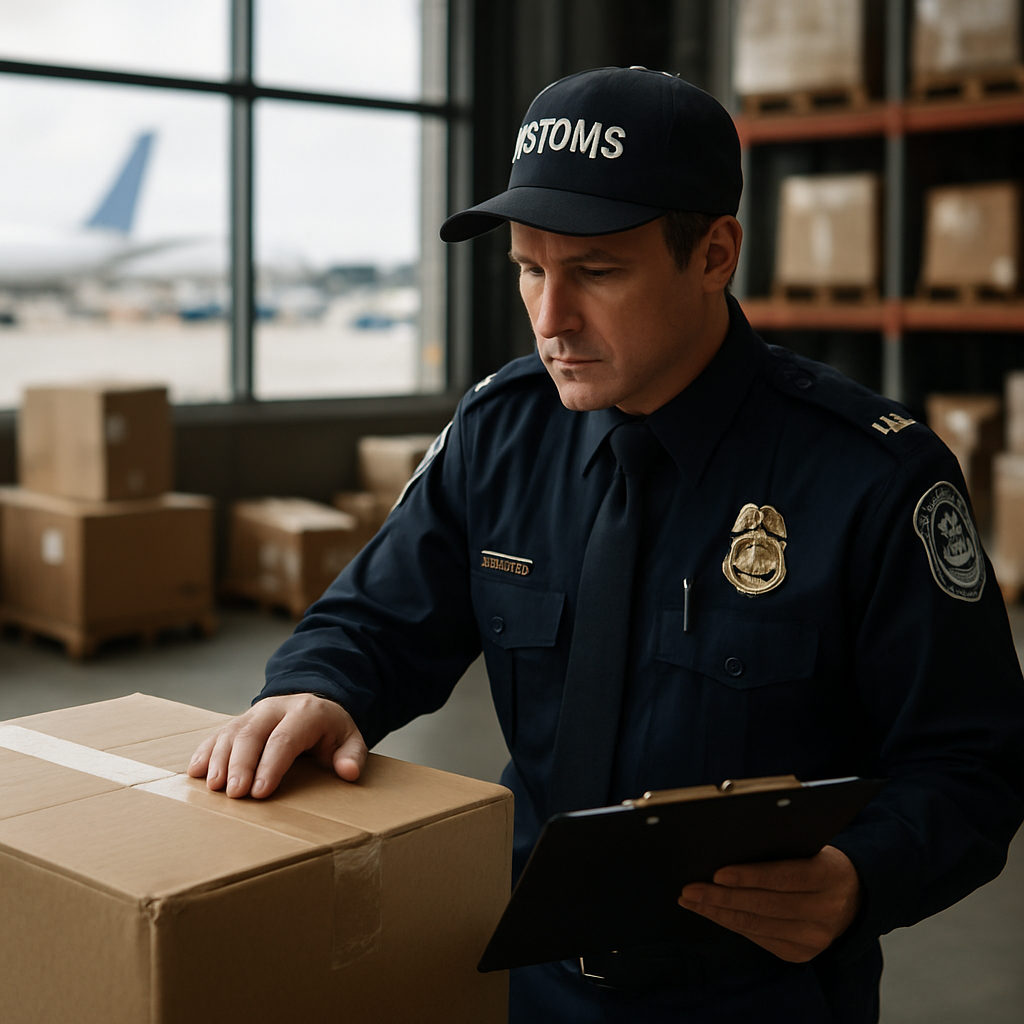
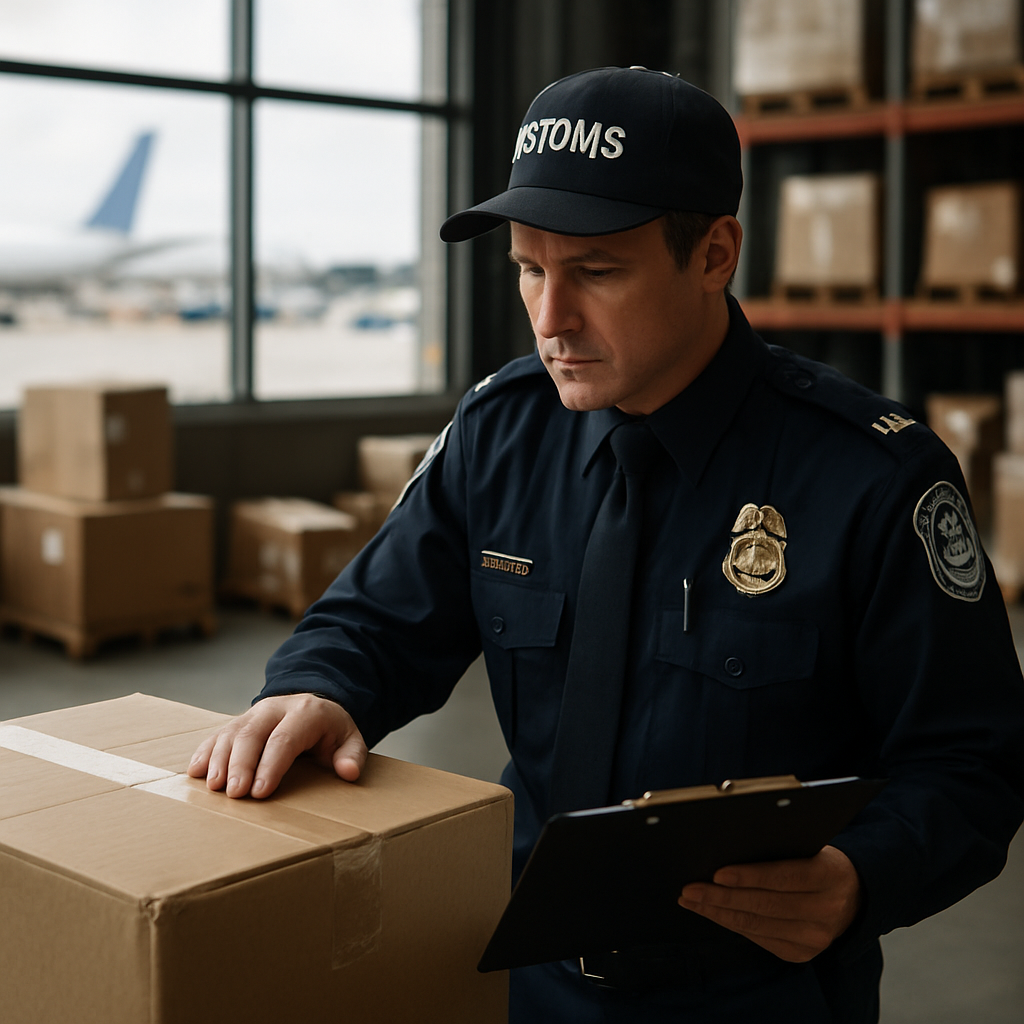
If your tracking says “LAX arrived at the customs clearance broker facility”, your parcel has reached a broker’s or carrier’s processing location in the Los Angeles airport area. It usually means customs entry information is being prepared, reviewed, or matched to the shipment before it can be released into the US delivery network. It does not, by itself, confirm that US Customs and Border Protection (CBP) has released the parcel, nor does it mean the item is lost.
What does “arrived at customs clearance broker facility” mean?
The status generally indicates a hand-off within the import-clearance process. A customs broker acts for the importer by submitting information and documents to customs, and may arrange payment of applicable charges. The facility named in tracking is normally a logistics or broker location near LAX, rather than a public counter where the recipient needs to collect a parcel.
For small cross-border marketplace orders, including shipments from Shein or other overseas sellers, the seller, carrier, or its appointed broker commonly manages the entry process. Tracking messages can be broad operational updates, so the wording may cover a shipment awaiting document review, customs processing, a release message, or collection by the onward carrier.
CBP’s LAX cargo operation is a specific cargo port, identified as port code 2720, with a published LAX cargo operations contact page and clearance counter details. That does not mean every package showing LAX in tracking is physically at the CBP building; carriers and brokers operate their own warehouses and handling facilities around the airport.
Where this status fits in LAX customs clearance
Customs clearance is a sequence of checks, not a single scan. Before a parcel can move to domestic delivery, the broker or carrier may need to transmit entry data, provide supporting paperwork where required, account for duties or taxes, and wait for CBP action. A shipment can also be selected for further examination.
- The shipment lands at, or is routed through, the LAX gateway.
- The carrier moves it into a cargo, postal, or broker handling process.
- The broker or carrier submits the relevant customs data and documents.
- CBP may release the shipment, request more information, or take further action.
- After release, the carrier or postal operator collects the goods, sorts them, and sends them into its US network.
A customs broker’s role is to help make an accurate customs submission on behalf of the importer. As Easyship’s explanation of customs delays notes, clearance can involve documentation, duties and taxes, and customs inspection. The exact process depends on the goods, the information supplied, and the type of shipment.
LAX customs clearance has been completed: what happens next?
When tracking changes to “LAX customs clearance has been completed”, “customs released”, or a similar message, the customs stage is normally finished for that shipment. The next physical step is usually collection by the carrier, followed by sorting and transfer to a regional facility. A further update may not appear until the parcel is scanned at that next facility.
The phrase “carrier has picked up the goods” is more specific: it suggests the goods have left, or are being collected from, the customs or broker-handling area. It still does not guarantee same-day delivery. Domestic movement, weekend schedules, capacity at the warehouse, and the final-mile carrier’s scan pattern can all affect when the next tracking event appears.
For a package going to another US state, LAX can simply be the first US gateway. It need not enter through the airport nearest to the delivery address. International postal and courier networks route consignments through their own available entry points and hubs.
How long does a customs clearance broker facility take?
There is no fixed clearance time for an LAX broker facility. A straightforward parcel with complete, consistent information may move on quickly, while an entry needing additional documents, payment, clarification, or examination can take longer. The tracking message alone cannot show which of those situations applies.
Delays are more likely when the description or value needs clarification, documents are incomplete, the recipient’s details do not match the entry, charges need to be resolved, or customs conducts an inspection. A broker cannot force a release; CBP determines whether goods are released under the applicable import process.
For commercial cargo, the importer, freight forwarder, or broker is usually best placed to identify what is pending. Businesses looking for local assistance can use CBP’s permitted customs brokers listing for LAX cargo operations and the port’s published contacts. For a consumer parcel, the seller or named carrier will often have more shipment-level information than CBP can provide to a recipient.
Why LAX customs package tracking may stop updating
A pause after the broker-facility scan is not proof of a customs hold. Some systems post only major milestone scans, and a parcel may be waiting for a container or batch to be broken down, a release message to be received, or an onward carrier collection. Tracking can also lag behind the physical movement of goods.
Check whether the same tracking number works on the carrier’s official site and, where applicable, on the final-mile carrier’s site. A marketplace order may show a consolidated logistics status before it receives a domestic carrier scan. Keep the order number, tracking number, item description, and any messages requesting information available, but do not send sensitive personal documents through unverified links or messages.
What to do if your LAX customs clearance package is delayed
Start with the seller or the carrier shown in the tracking record. Ask whether customs has requested information, whether duties or other charges are outstanding, and whether the parcel has been released to the onward carrier. If a broker has contacted you, verify that the contact is genuine through the carrier or seller before supplying documents or making a payment.
- Review the tracking history for a request for documents, payment, or recipient verification.
- Confirm that the delivery address, recipient name, and contact details are correct.
- Ask the seller for the carrier name and any domestic tracking number if the parcel is from a marketplace.
- For a business shipment, contact the appointed broker or freight forwarder and provide accurate documents promptly.
- Use the LAX cargo port contacts only when the shipment is genuinely handled as cargo and you have the relevant entry or broker details.
Do not assume that an LAX customs status means a rejection or seizure. It usually signals that the parcel is between arrival and release, or between release and carrier collection. The most useful next update is often one confirming customs release, carrier pickup, or arrival at the next domestic sorting facility.