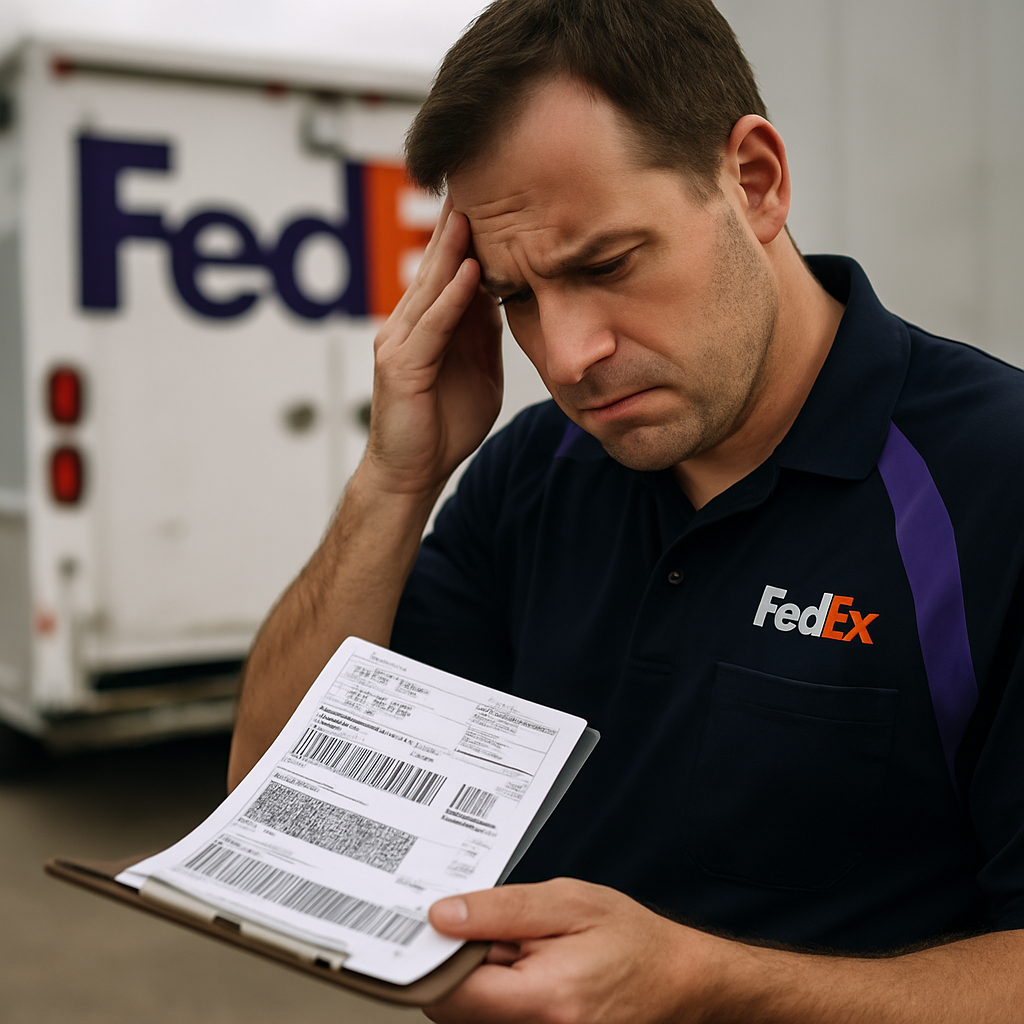
What Does Shipment Exception Mean on FedEx Tracking? Causes and Next Steps
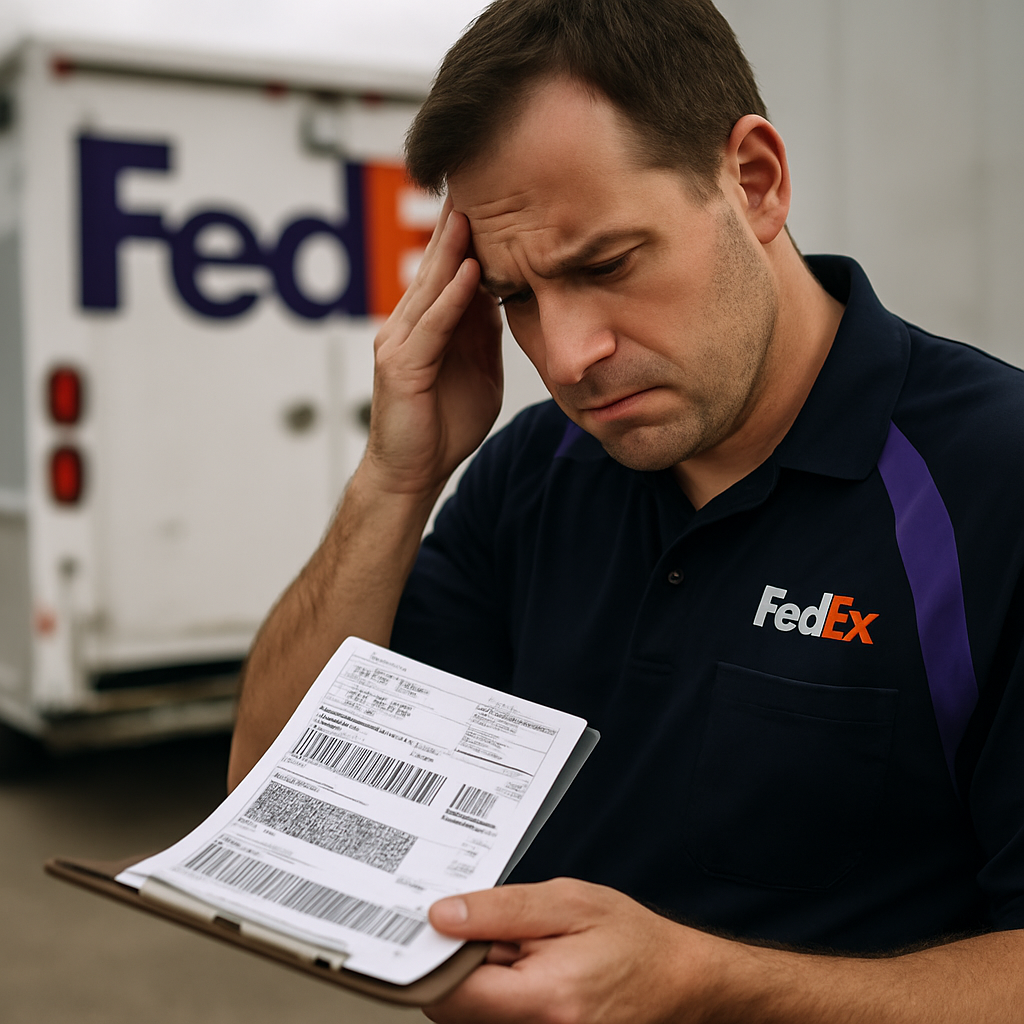
A shipment exception on FedEx tracking means an unexpected event has interrupted the planned movement or delivery of your parcel. It is usually a delay notice, not confirmation that the package is lost. Check the detailed tracking entry for the stated reason and any requested action: FedEx may resume transport, attempt delivery again, hold the parcel, or need information from the sender or recipient.
What a FedEx shipment or delivery exception tells you
FedEx may use the terms “shipment exception”, “delivery exception”, or simply “exception” when a parcel cannot follow its expected schedule. The alert can appear while the item is moving between facilities or during the final delivery attempt.
The practical meaning depends on the accompanying scan, rather than the word “exception” alone. A delay caused by weather is different from an incomplete address, a signature issue, damage, or a regulatory review. As this explanation of FedEx delivery exceptions notes, an exception can lead to a package being rescheduled, held at a facility, or, in some circumstances, returned to the sender. It does not automatically mean that delivery will be late, but it signals that the original plan may have changed.
Common reasons for a shipment exception
Tracking details may identify the cause directly. Common triggers include:
- Weather or network disruption: severe weather, road conditions, or an operational problem at a sorting location can interrupt transport.
- Address problem: an incorrect, incomplete, or inaccessible address can prevent a driver from completing delivery.
- Recipient unavailable: the recipient may not have been present where a signature was required, or a business may have been closed.
- Customs or regulatory processing: an international shipment can be delayed while authorities or the carrier seek clearance, documents, or further information.
- Package condition: a damaged package may need inspection or repacking before it can continue.
- Facility handling issue: a parcel may be delayed after a missed connection, routing issue, or other disruption within the carrier network.
A broader guide to shipment exceptions similarly identifies weather, address errors, customs holds, failed attempts, and sorting-facility issues as typical causes. The newest tracking scan is therefore more useful than relying on an earlier estimated delivery date.
FedEx delivery exception but you were home
Being home does not always mean a driver could complete delivery. The scan may relate to a signature requirement, a restricted or unsafe access point, a building-entry problem, an address discrepancy, or a decision to return the parcel to the station for another attempt.
First, read the full tracking history and any delivery-attempt notice. Confirm that the address, flat number, telephone number, and delivery instructions are correct. If tracking offers a delivery-management or hold option, use the available option that suits you. Avoid assuming the parcel has been returned or lost unless tracking expressly says so.
What does “returned to facility for inspection” mean?
“Returned to facility for inspection” generally indicates that the parcel has gone back to a FedEx location so it can be checked before the next decision or movement. It can be associated with a package-condition concern, a delivery issue, or another operational review; the status alone does not establish that the contents are damaged.
Watch for a follow-up scan. It may show that the parcel has resumed transit, is scheduled for another delivery attempt, is available for collection, or requires contact with FedEx or the sender. If the item was visibly damaged on arrival, document the condition with photographs and contact the seller promptly, particularly where the seller needs to open a carrier claim.
What does “held, cleared regulatory agency” mean on FedEx tracking?
For an international shipment, wording such as “held” and “cleared regulatory agency” points to a regulatory-processing event recorded in tracking. It should not be treated as proof of seizure or rejection. The important question is whether a later scan confirms release, requests documents or payment, or shows that a separate issue remains.
Customs and other regulatory checks can depend on the shipment details and the destination country’s requirements. The sender, importer of record, or recipient may be asked to provide information that supports clearance. Keep the commercial information supplied by the seller available, respond only through verified FedEx contact channels, and do not send documents or payments through links in unsolicited messages.
How long does a FedEx shipment exception take?
There is no standard duration. A short operational or weather interruption may clear with the next tracking update, while an address correction, inspection, damage review, or regulatory matter can take longer. The cause, the facility involved, the service route, and whether someone must provide information all affect timing.
Many routine delivery exceptions result in a further attempt or an updated plan, but no universal next-business-day promise should be assumed. this overview of FedEx delivery exceptions explains that tracking should indicate when the recipient needs to act. Until a new date appears, treat the original delivery estimate as provisional.
How do you resolve a shipment exception?
Start with the detailed tracking message. Do not contact multiple parties before establishing whether the issue is one FedEx can resolve automatically or one that needs a response from you.
- Check the latest scan and notifications. Look for a specific reason, an updated delivery date, a request for information, or an instruction to arrange collection.
- Verify delivery details. If the exception concerns the address or access, correct the details through the available FedEx tools or customer support.
- Make delivery possible. If a signature is needed, arrange for an eligible recipient, choose an available alternative delivery option, or use a hold-for-collection option where offered.
- Contact the sender for shipment-specific help. The shipper may be better placed to correct an address, supply commercial information, or start a claim if the parcel is damaged or cannot be located.
- Contact FedEx if tracking stalls or asks for action. Have the tracking number, full delivery address, and the latest exception wording ready.
Will you still get the package? In many cases, yes: an exception is a disruption notice rather than a final outcome. Continue monitoring the tracking history, act on any clear request, and escalate through FedEx and the sender if there is no meaningful update or the parcel is marked as returned. A delivery-exception guide makes the same useful distinction: the status warns of a delivery problem, but it does not by itself mean the shipment has disappeared.