What to Do About Delivery Exception Delay in Import Customs Clearance and Goods Inspection Issues
 Import Export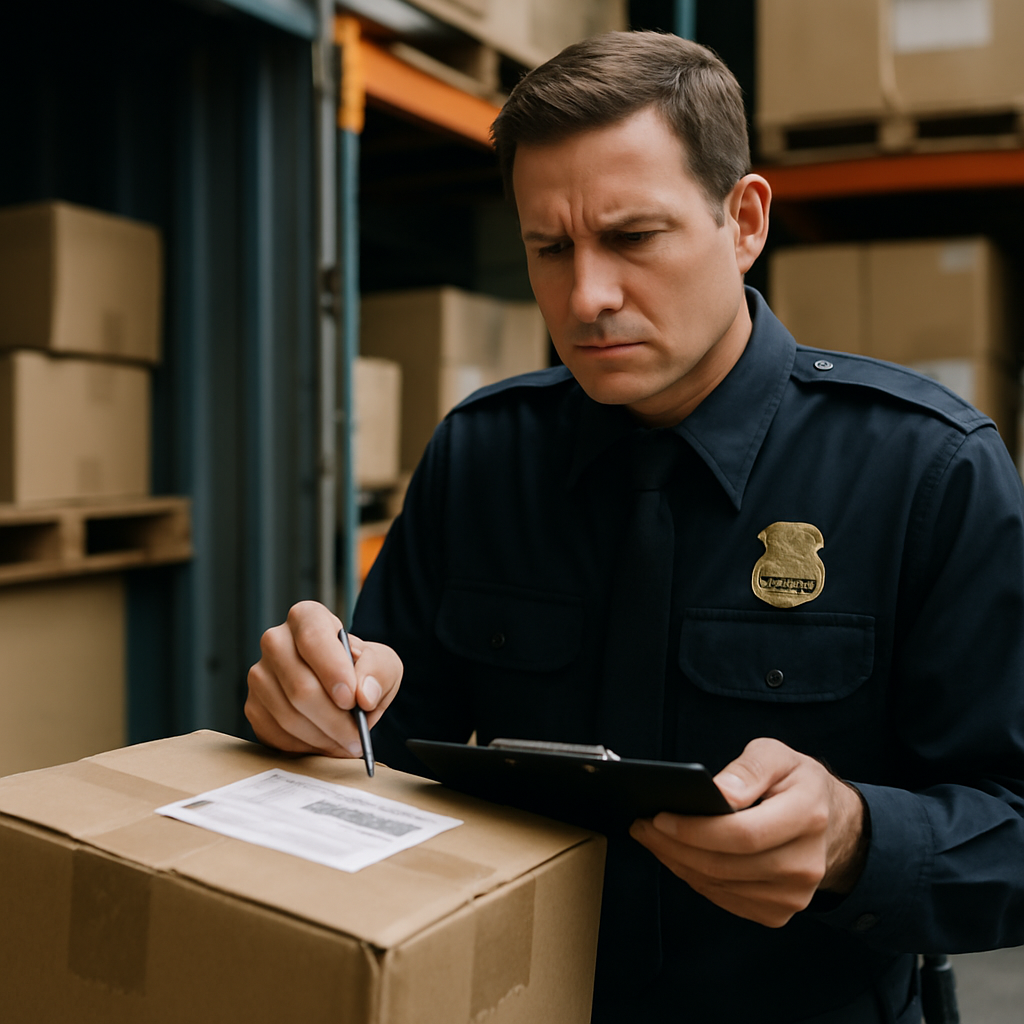
When your overseas package is held up due to a delivery exception delay in import customs clearance or goods inspection, frustration can quickly mount. The main reason? Your shipment can't progress until certain customs protocols are fully satisfied. For most importers, the process typically lasts anywhere from a day to several weeks, depending on country regulations, documentation accuracy, and the nature of your goods. Understanding these delays up front equips you to respond efficiently and keep your shipment moving forward.
How Long Does a Customs Clearance Delay Usually Last?
Customs clearance delays often range from 24 hours to several weeks, depending on various factors like country, type of product, and the complexity of the inspection. Regulatory checks and missing paperwork are the most common reasons for longer delays.
You should be prepared for possible hold times if customs spot inconsistencies in your documentation or need to perform a deeper inspection. As explained in advice from global freight specialists, fresh goods and pharmaceuticals are at highest risk during long customs holds. Regularly checking your tracking information can provide early warning signs of a developing clearance issue.
Some countries clear goods more quickly than others, and the season matters too. Backlogs at peak times can add days or even weeks. Having up-to-date paperwork and working with a reputable customs broker helps minimize your risk of extended holds.
Efficient communication with all logistics partners is crucial. Notify your broker as soon as you expect a shipment, double-check all supplied documents, and be proactive if customs reach out for more information.
Why Is My Package Stuck in Customs for Inspection?
Packages are often held in customs for inspection when officials need to verify the contents, values, or compliance of what's being imported. Discrepancies between shipping documents and actual goods are a common trigger.
For instance, errors in declared value, missing invoices, or ambiguous product descriptions can signal customs officers to take a closer look. According to industry guidance on clearance delays, manual inspections may also be random or based on security initiatives targeting specific types of shipments.
A different issue is unpaid import duties or taxes. Customs won't release your package until these fees are settled in full. Bulk shipments, high-value items, and electronics are also more likely to be flagged for checks.
To prevent extra scrutiny, ensure every shipment includes detailed and consistent paperwork. If you're notified that your package is under inspection, respond promptly to requests for supporting documents or additional information.
What Does a Delivery Exception on Tracking Mean and How Should You Respond?
A delivery exception on your tracking status usually signals that your package has encountered an unplanned delay or obstacle, frequently caused by customs clearance or goods inspection requirements. Until the reason for the hold is resolved, packages will not move forward.
Some exceptions result from missing information, unpaid fees, or a need for further review. In other cases, inclement weather or local disruptions at the port can also trigger an exception message. If your tracking shows a customs-related exception, check your email or carrier notifications for instructions on how to proceed.
Proactive importers should contact their shipping broker for clarification as soon as the delivery exception appears. Resolving such issues may involve submitting missing customs paperwork or settling outstanding duties.
Always act quickly. The sooner all requirements are fulfilled, the faster your shipment will be cleared for delivery.
How Long Can Import Customs Keep Your Package for Inspection?
Packages selected for customs inspection can be held from several hours up to a few weeks, largely depending on how fast outstanding issues are resolved. For example, shipments missing key documents can remain with customs until the importer supplies everything needed.
Routine inspections are generally finished within a couple of business days. But if your goods are chosen for a deeper compliance check, or if customs requires confirmation from other authorities, those timelines can stretch.
In the United States, importers typically have up to 15 days to resolve clearance issues and avoid extra storage charges, as outlined in customs delay guidelines from experienced import service providers. Beyond that, your items may be sent to a bonded warehouse and risk seizure or return.
Open, fast communication is your best strategy. Respond to all customs requests quickly, ensure your customs broker is informed, and monitor your shipment daily for status updates.
What Actions Should I Take When My International Shipment Is Held?
If your import is stuck with customs, start by verifying the notification details—check which documents or payments are needed, and contact your broker or carrier for clarification. Don't ignore the status; inaction can lead to extra fees or your goods being returned.
Gather and resend any missing documents, such as commercial invoices, import permits, or detailed product information. Sometimes, simply correcting a declared value or paying an outstanding import duty speeds up the process dramatically. Use real-time tracking tools to monitor changes and confirm when customs releases your shipment.
For persistent issues, escalate with the carrier or consult a freight expert specializing in import clearance. If you're importing frequently, building a relationship with customs brokers and staying informed about the latest local import requirements helps avoid future delays.
Most importantly, patience paired with prompt action pays off. Delays in customs clearance and goods inspection are common but usually resolvable when you stay engaged and informed every step of the way.