How Saudi Aramco Exports to China Are Shifting Amid Record Low Arabian Oil Flows
 Import Export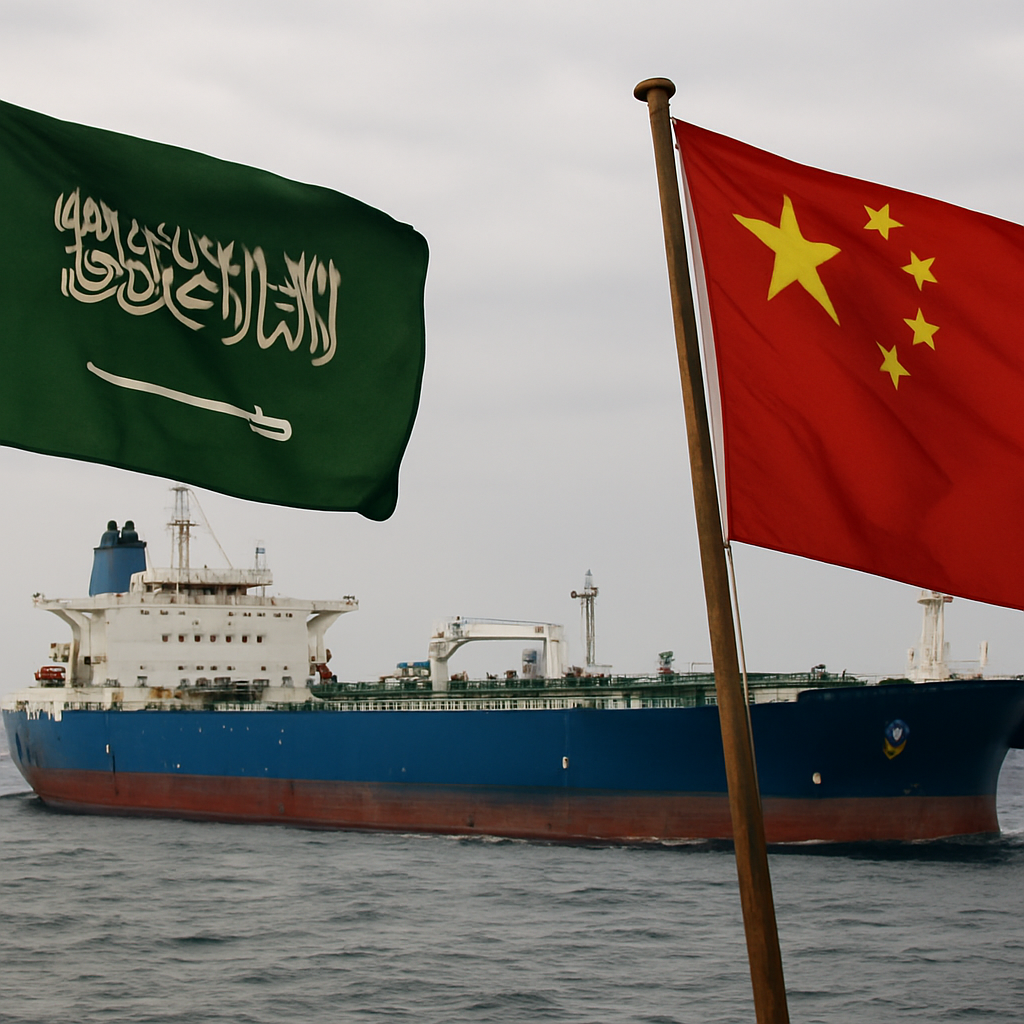
Saudi Aramco exports to China have entered a period of rapid transformation. Supply disruptions, new export strategies, and shifting demand in China have pushed the world’s largest oil exporter to rethink traditional shipping routes and sales models. Right now, Chinese purchases of Saudi crude are at or near their lowest in years, forcing Saudi Aramco to find innovative ways to keep oil flowing to one of its most vital customers.
Why Are Saudi Arabian Oil Shipments to China Facing Record Lows?
Saudi crude exports to China are hitting multi-year record lows due to a mix of bottlenecks, market fluctuations, and higher Chinese imports from alternate sources. Chinese refiners, previously loyal to long-term Saudi contracts, are now blending their supply trees, especially as domestic economic growth cools. Trade disruptions in the Strait of Hormuz, a strategic choke point for Middle Eastern oil, have also played a major role in shaping this new pattern. Recent scheduling data and buyer statements reveal that several Saudi exports to China were slashed or postponed in key summer months, mirroring what many sources have described as a "deep drop" in flows.
While these lows may seem alarming, they reflect broader global energy shifts rather than any single policy move. Chinese demand for Saudi grades. particularly the heavier Arab Medium and Heavy blends, remains strong, even as volumes shrink.
To cope with these headwinds, Saudi Aramco has adopted new tactics, such as delivering cargoes via alternative pipelines and adjusting contract terms with Chinese buyers. The new flexibility helps partially offset the export declines, ensuring Aramco remains competitive as China's buying patterns evolve. Some industry observers attribute part of the supply decrease to logistical obstacles at Hormuz, causing delays and motivating Aramco to seek efficient workarounds.
Has Aramco Developed New Methods to Keep Exports Flowing?
Yes, Aramco has responded by engineering innovative delivery models to bypass danger zones and maintain critical volumes. The most eye-catching solution involves a two-step shipping process, often dubbed the "ship-to-ship transfer." In this approach, Saudi ships carry crude out of the Persian Gulf’s risky waters, then hand over oil offshore to other tankers stationed near safer locations, such as off the coasts of Oman or the UAE.
This arrangement means Aramco assumes all risks through Hormuz’s contested waters. Once past the chokepoint, Chinese buyers collect their cargo without sending their vessels into challenging territory. These measures streamline the logistics, allowing for stable deliveries despite rising tensions in the Gulf. According to recent reports, this approach has rapidly gained adoption, especially for heavier Saudi blends.
Beyond shipping tweaks, Aramco is experimenting with direct sales awards, ad-hoc deals, and other flexible arrangements designed to satisfy Chinese refiners even as traditional contracts falter. These strategies illustrate how vital the Chinese oil market is to Saudi Arabia’s ongoing export calculus. As global circumstances evolve, so too does Aramco's willingness to adapt and protect its market share in China.
Who Is Currently the Largest Oil Supplier to China?
At present, Russia is China's top source of imported crude, consistently edging out Saudi Arabia for the #1 supplier position. While Saudi oil once commanded a firm lead, geopolitical shifts, heavy discounts on Russian barrels, and evolving market ties have led to significant changes. As China's appetite for diversified and discounted crude grows, Russian barrels—transported via rail, pipeline, and seaborne routes—have rapidly gained ground.
Saudi Arabia still maintains a prominent presence in China's refining mix, but its share of the pie has undeniably shrunk compared to past years. This intensifying competition has prompted Aramco to become more flexible in both pricing and contract terms, while also targeting nontraditional Chinese buyers to retain relevance.
Some analysts predict that as global oil trade routes become even more fragmented, leadership among China's suppliers could continue to oscillate from quarter to quarter. For now, however, Russia remains firmly on top, with Saudi Arabia working to diversify export options and reclaim ground over the longer term.
Is Saudi Aramco Fully Owned by the Kingdom of Saudi Arabia?
Yes, Saudi Aramco is majority-owned by the Saudi government. Currently, over 94% of Aramco’s shares are held by the Saudi state, with a small portion publicly traded on the Riyadh stock exchange. While a relatively minor public flotation occurred in late 2019, giving international investors a chance to own Aramco stock, real authority and control remain with the government. This ownership structure ensures that the strategic priorities of Saudi Arabia are closely aligned with the operational policies of its flagship energy company.
The government’s control allows Aramco to act as both a commercial entity and an instrument of national energy policy. This dual approach helps explain Aramco’s ability to act swiftly in restructuring export routes, negotiating with foreign buyers, and maintaining oil revenue flows regardless of shifting global market dynamics.
Even with a public slice, the vast bulk of Aramco’s profits and operational decisions ultimately funnel back to the Saudi state and its economic development plans. That helps sustain both Saudi Arabia’s domestic goals and its international influence in the oil sector.
Does Iran Really Sell 90% of Its Oil to China?
No, the claim that Iran sells 90% of its oil exclusively to China is an exaggeration. While China is indeed one of Iran’s most significant buyers, particularly as Western sanctions force Iran to rely on private deals, its share of total Iranian oil exports varies month to month.
Sanctions have forced Iran to find creative outlets for its crude, often moving shipments via indirect channels and untracked tankers. Verified data on the actual volume flowing to Chinese buyers is hard to pin down. Most estimates suggest that while China accounts for a major portion, it rarely approaches the 90% figure in any sustained fashion. Various reports have noted fluctuations as new sanctions, maritime restrictions, and alternate buyers emerge.
Recently, U.S. efforts to restrict Iranian exports have led to sharp declines, sometimes slashing total Iranian shipments by 80% in just a year, as detailed in several maritime and energy industry updates. Thus, although China is pivotal for Iran’s sanctioned oil, the "90%" number is generally seen as a rough talking point, not a consistently verified reality.
Saudi Aramco's exports to China remain a barometer of global oil flows and international relations. As market conditions shift and new delivery strategies emerge, both countries are reworking their playbooks to ensure stable supplies amid record lows and regional headwinds.

2 thoughts on “How Saudi Aramco Exports to China Are Shifting Amid Record Low Arabian Oil Flows”