How Us Freight Rail Pollution Impacts Inland 411 Corridors and Depot Infrastructure
 Import Export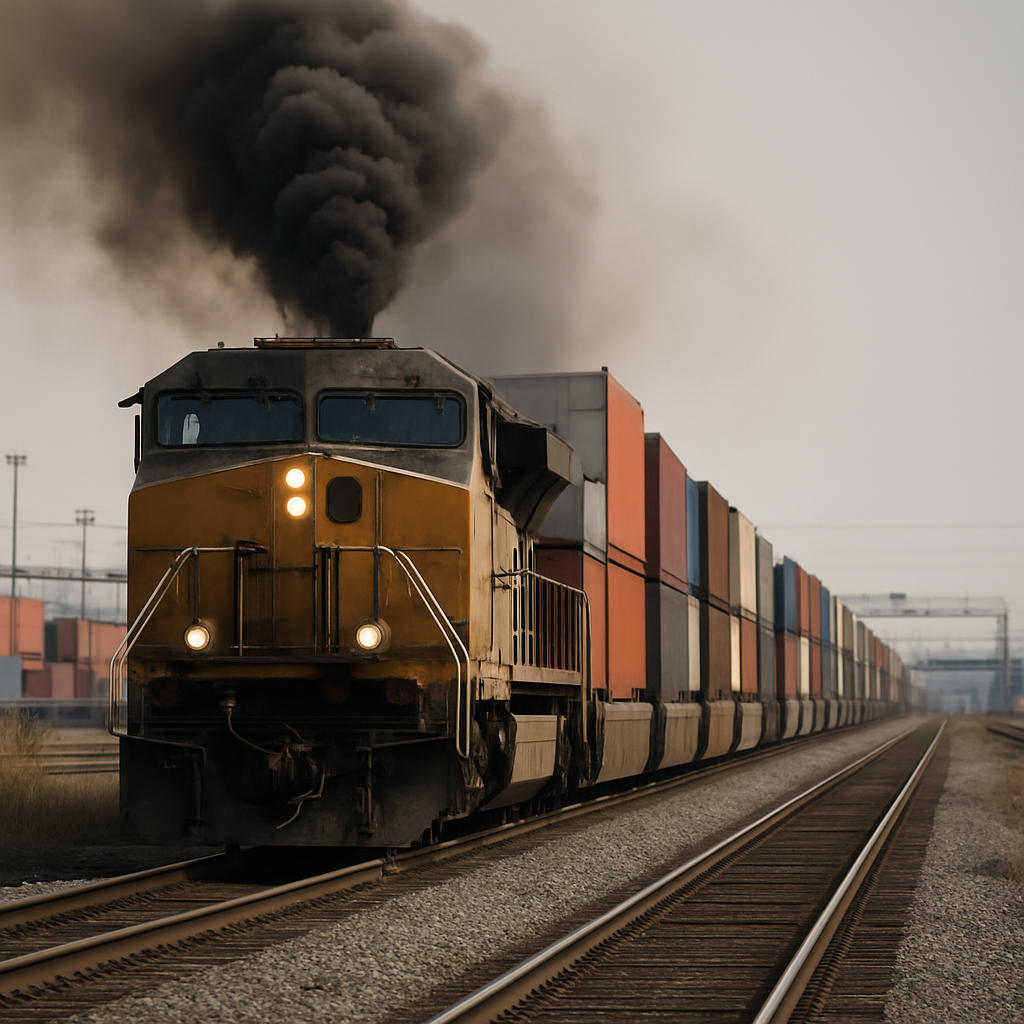
The Reality of Freight Rail Pollution in America27s Inland Corridors
Us freight rail pollution is a growing concern that affects thousands within inland corridors, particularly near major rail depots and densely populated areas. While freight rail is one of the most fuel-efficient ways to transport goods across long distances, nearly all locomotives in the United States still run on diesel. This reliance has led to the emission of significant amounts of nitrogen oxides (NOx) and particulate matter, and these pollutants present a real threat to air quality and health. Communities around key freight rail infrastructure, such as the so-called 26411 corridors27 and strategic depot sites, face the brunt of these effects. Understanding the full scope and implications of this pollution is the first step toward real solutions. Reducing Emissions in Freight Rail: Challenges and Opportunities makes it clear: innovation and policy will be critical for a cleaner future.
Major Pollution Sources: Locomotive Diesel and Depot Operations
The backbone of freight movement, diesel-powered locomotives, produce the majority of rail-linked pollution. Rail yards and depots serve as pollution hotspots, with locomotives idling for extended periods as cargo is loaded, unloaded, or reassembled for distribution across inland corridors. These engines pump nitrogen oxide and particulates into the air, a problem made worse by their proximity to urban centers and residential neighborhoods. The EPA estimates that railroad locomotive pollution in the United States led to $48 billion in healthcare costs and over 3,100 premature deaths annually. How the US freight rail industry got dirtier than coal power plants provides a sobering look at how these emissions now outpace those from coal power plants in some regions.
Depots act as logistical linchpins where emissions spike, especially in older systems not yet modernized. Volume and frequency of train movement through these choke points magnifies their pollution impact. Just a few high-traffic inland depot sites, integrated within national corridors, tend to disproportionately affect local air quality. The impact is felt by customers, depot workers, and residents alike. Simple upgrades in depot technology and smarter scheduling could make a noticeable difference in reducing ambient emissions.
Yards that handle heavy transnet freight rail traffic—especially in places like Chicago—face unique challenges linked to their physical infrastructure also. Aging systems often lack the emission controls seen in newer operations. Correlating pollution spikes to depot congestion and railcar dwell times reveals opportunities for targeted fixes.
The 411 Corridors: Pollution and Freight Motion Facts
America27s 411 corridors are major arteries for inland rail freight. These routes connect huge swaths of industrial and agricultural heartland with coastal ports and metro markets. Every day, trains packed with raw materials and manufactured goods snake through these corridors, but this tremendous logistical efficiency is coupled with the downside of emissions output. Strategic stretches of track, especially those with multiple intersecting lines, see the highest train densities and, consequently, the highest local concentrations of pollutants. Mapping emission zones alongside population data exposes distinct public health concerns for those living near these vital transport lifelines.
Unlike road traffic, trains might idle in a single spot for hours due to scheduling, priority conflicts, or depot backup. Freight railways boast lower carbon footprints per ton-mile compared to trucking, but densely packed corridors still emit significant localized pollution. The Environmental Impact of Shipping By Rail notes that, despite rail27s overall efficiency, hotspots along busy commercial corridors remain significant health risk areas. Improving locomotive engines and optimizing corridor traffic flows offer real pathways toward cleaner operations.
Solutions are being piloted in select 411 corridor segments. Some depots now test hybrid locomotives or electrified shunting engines to cut emissions during the most polluting maneuvers. Progress is steady, but widespread adoption requires investment and agreement across several allied transport alliances, commercial depot operators, and corridor stakeholders.
Enhancing 411 corridor infrastructure means more than just new track or faster trains. Smarter, more automated interchange systems—where trains hand off cars quickly and efficiently—can dramatically reduce the time each locomotive spends idling. In effect, optimized infrastructure aligns directly with emission reduction goals and better customer experiences for shippers moving cargo through America27s interior.
Depot Infrastructure, Union Agreements, and the Path to Clean Transit
Modernizing depot infrastructure underpins cleaner rail operations. Many current facilities operate under legacy practices defined decades ago, before today27s environmental understanding. Investment in automated switching, upgraded fueling systems, and electrified tracks can quickly cut unnecessary engine run-times. However, infrastructure crisis points remain, especially at older depots where changes can affect union jobs and operational agreements.
Any shift toward cleaner rail operations must consider the complex negotiations required between operators, labor unions, and regulatory agencies. Unionized depot staff typically have deep institutional knowledge of their systems, and successful modernization projects often depend on strong collaboration and transparency. Pilot projects at larger unionized depots show early promise in balancing job security with infrastructure upgrades.
Inland depots, especially those in national frontier regions between major cities, represent prime candidates for these modernization efforts. Such sites see some of America27s heaviest traffic but are often most in need of upgrades. Federal funding programs for strategic corridor infrastructure, combined with allied corporation support in the commercial sector, are helping to drive change. Yet, implementation is always local and requires persistent partnership with frontline workers and community leaders for lasting results.
Pricing, Deregulation, and the Impact on Clean Technology Adoption
Prices for rail freight reflect not only the value of transport but the costs of regulation and compliance. Historically, periods of deregulation brought efficiency and lower transit times for customers, but environmental standards sometimes lagged behind. Today, as climate concerns mount, the cost of maintaining polluting diesel fleets grows through fines, health-related lawsuits, or mandatory upgrades.
Depot and corridor operators must balance pricing pressures from customers with the investment costs for modern emission controls. The pace of clean technology adoption hinges on national policy signals, new agreement frameworks, and the commercial realities inland depots must navigate day-to-day. Union negotiations over pricing and work rules shape how quickly these changes can happen across the network.
Some major 411 corridor operators are experimenting with price incentives for shippers who use lower-emission or electrified train services. These pilots demonstrate that targeted pricing and regulatory shifts can encourage earlier, wider technology upgrades. But every inland corridor, from the Chicago depot network to allied stobart and victoria junctions farther afield, faces unique local barriers to rapid transformation. Recognizing those barriers27 meaning—and working through them in agreement with all frontline partners—sets the foundation for an effective, sustainable shift to cleaner freight rail in the U.S.
Solving the challenge of us freight rail pollution across inland corridors and depot infrastructure means acknowledging these local facts, investing in smarter systems, and building alliances that prioritize both economic and environmental progress at every point along the commercial corridor.