What Are the Most Dangerous Shipping Routes for International Container Vessels?
Understanding Maritime Risks in Global Shipping
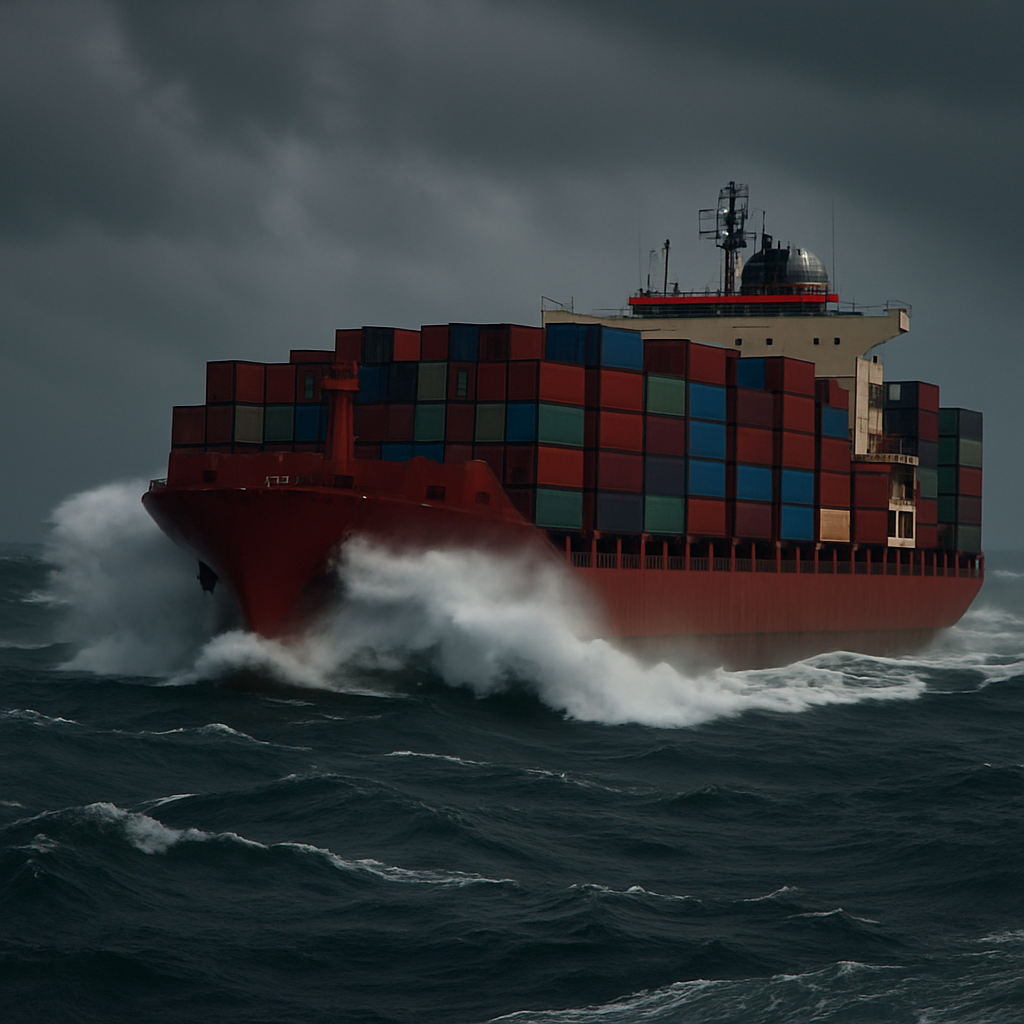
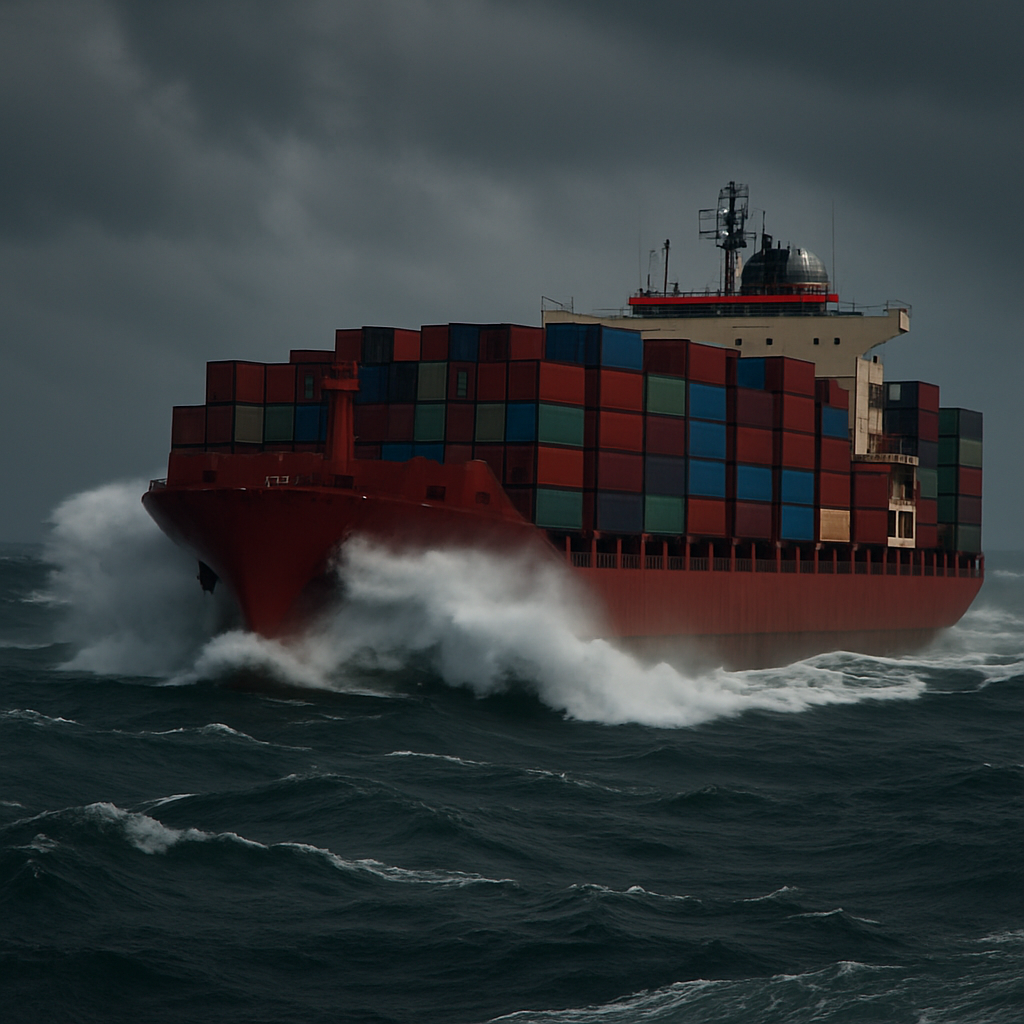
International container shipping routes are the arteries of global trade, linking North America, Europe, Asia, and the Middle East with a network of heavily trafficked lanes. The world’s most dangerous shipping routes are marked by geopolitical conflicts, piracy, extreme weather, and narrow chokepoints, which expose vessels and their cargoes to frequent hazards. Immediate awareness of these danger zones enables carriers and logistics operators to assess risks accurately, ensure cargo safety, and optimize ocean freight movements. Safety concerns impact not only the transport of goods like LNG, crude oil, and iron ore, but also create cascading effects throughout international liner schedules and global trade flows.
Piracy Threats and Security Concerns Along Major Ocean Corridors
Piracy remains a major issue for commercial vessels in some of the world’s busiest shipping lanes. The Gulf of Aden, just south of Yemen, and approaches to the Suez Canal have become notorious for hijackings, particularly targeting oil tankers and container ships. Because these routes are vital for connecting Europe to Asia via the Indian Ocean, vessel operators face tough decisions balancing security with commercial necessity.
Another area with persistent piracy incidents is the Gulf of Guinea, affecting routes between West Africa and major global ports. Local instability has created opportunities for criminal organizations to target vessels, disrupt ocean freight, and increase insurance costs for international shipping companies. Strategic routing and armed security escorts are now essential components of risk management along these paths.
Security updates and navigation advisories, such as those discussed in this authoritative source, are crucial for ship operators moving through high-risk regions.
Geopolitical Hotspots: The Impact of Ongoing Conflicts
Current political tensions sharply shape the danger profile for major shipping lanes. The Black Sea, influenced by the conflict between Russia and Ukraine, has become increasingly hazardous for oil, grain, and container vessels. Navigational hazards also intensify in the Strait of Hormuz and the Red Sea, where heightened regional unrest and military presence affect every shipment traversing these waters.
The closure or restriction of major lanes, such as the Suez Canal, can disrupt almost every aspect of global trade. Ships must reroute around the Cape of Good Hope, significantly increasing voyage times for both container and bulk carriers. The resulting congestion and delays ripple across supply chains, impacting European and Asian ports alike.
Information provided by live maritime news channels and route databases is invaluable for real-time risk forecasting. Mapping these hotspots on a world routes map allows logistics managers to visualize shifting operational challenges and proactively address new lanes and shipping issues.
Authoritative insights can be found in resources like this guide to main maritime shipping routes, which details the global importance of critical chokepoints.
Frequent updates to shipping forecasts and shapefiles ensure that vessel operators can make informed decisions about navigating or avoiding conflict zones.
Key Chokepoints and Natural Hazards for European and Global Shipping
Several geographically constrained passages represent high-risk areas for world shipping: the Straits of Malacca, Bab el-Mandeb, and Panama Canal top the list. These narrow waterways handle colossal volumes of global container and LNG traffic but suffer from congestion, limited maneuverability, and increased accident potential. Even small navigational errors or vessel breakdowns can block these lifelines, as seen with past major incidents in the Suez Canal.
European routes face significant exposure not only at the entrance to the Mediterranean but also in the North Sea, where severe weather, dense marine traffic, and shifting sandbanks pose hazards to class-leading European container ships. Major storms and cyclonic weather originate frequently in the Bay of Bengal and Sri Lankan approaches, challenging ship stability and schedule reliability.
Besides natural obstacles, man-made risks occur near vital energy shipment lines. Oil tanker routes from the Middle East to Europe cross waters where armed conflict, embargoes, or environmental threats can quickly escalate, impacting cargo flows and causing logistical bottlenecks in global freight operations.
Safety Precautions and Response for Commercial Vessels
Shipping companies managing international liners and container ships continuously refine security protocols for vessels in high-risk zones. From installing advanced radar and navigation systems to mandatory reporting in certain traffic separation schemes, adaptation is ongoing. Some vessels, especially those transiting piracy-prone lanes, embark private armed guards to deter attacks, bolstering safety for crew and cargo alike.
The creation and maintenance of accurate global shapefiles for shipping lanes help operators track vessel movements and identify real-time threats. Many rely on comprehensive databases and risk assessment tools to plan rerouting when delays or disruptions are forecast. Enhanced crew training, safety drills, and access to breaking maritime news keep everyone prepared for sudden emergencies at sea.
Coordination among shipping alliances, port authorities, and local naval forces ensures rapid response to distress signals, supporting both European and North American fleets. With every new shipping issue, lessons learned shape the evolution of best practices in international container movement and route management.
These ongoing challenges in the world’s most dangerous shipping routes illustrate the constant need for vigilance, updated intelligence, and collaboration across the global shipping industry.