Package Available For Clearance: FedEx, UPS, and DHL Clearance Event Meaning Explained
 Import Export
Package Available For Clearance
If you have ever seen the status "Package Available For Clearance" while tracking a shipment with FedEx, UPS, or DHL, you are not alone. This event usually indicates that your parcel has reached customs and is waiting for official review or documentation. For most carriers, this process is routine and typically resolves within 24 hours, but some situations—such as with FedEx—can result in extended delays that impact importing or exporting timelines. Let’s break down what this status means, why delays occur, and what you can do next if your shipment is stuck.
What Does "Package Available For Clearance" Indicate on Tracking?
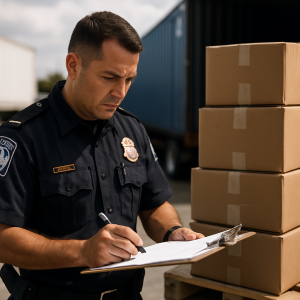
This notification signals that your parcel reached the destination country's border and is waiting for officials or designated brokers to evaluate tax documents and physical contents. It is a completely standard stage in cross-border transport rather than an indicator of a problem.
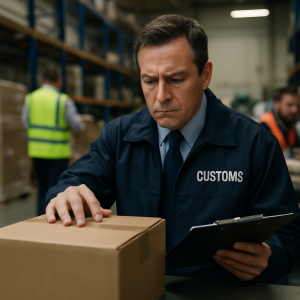
When goods cross international lines, border agencies must ensure every commercial invoice aligns with local import laws. The status means the shipment entered the queue for processing. Logistics carriers submit electronic entry data to authorities while the physical container rests securely in a bonded holding zone. If your paperwork contains proper product descriptions and accurate valuation numbers, this phase usually resolves quickly without manual interference.
How Long Does the FedEx Inspection Process Usually Take?
Most routine international express shipments complete border processing within 24 to 48 hours, provided all invoices are accurate. However, incomplete documentation or regulatory holds can extend processing times.
Standard retail parcels often fly through automated digital systems before cargo planes even touch down on the tarmac. If officers flag an item for physical screening or require partner agency reviews—such as food, medical devices, or electronics—the timeline stretches. According to official guidelines on FedEx customs clearance, electronic document submission helps minimize processing disruptions. Expect quick movement unless paper errors force manual audits.
Why Is Your Shipment Delayed in Processing?
Cargo stalls at the border due to missing commercial invoices, inaccurate valuations, restricted commodity types, or unpaid import duties. Security agencies also conduct random physical spot checks daily.
When shippers omit critical details like country-of-origin codes or specific product descriptions, agents halt processing. The system places an electronic lock on the parcel. If border agents suspect an item's listed price was intentionally lowered to dodge taxes, they will detain the box until the recipient provides proof of payment. Extreme peak-season freight volumes can also choke distribution hubs, causing temporary operational delays even when documentation is flawless.
How Can You Resolve a Held Parcel Quickly?
To release a detained box, respond immediately to your carrier's requests by submitting requested tax identification, detailed item receipts, or missing invoices.
Carriers assign internal brokers to act as liaison agents between recipients and border officials. When errors happen, review the steps outlined on how to get a package out of customs to provide missing documentation. Contact the courier's international support line directly with your tracking number. Do not contact government border patrol offices directly, as officers only interface with authorized logistics brokers. Providing accurate digital forms speeds up releasing the physical hold.
Where Do Goods Travel After Passing Border Inspection?
Once officials grant a complete release, the broker transfers the parcel back into the courier's domestic logistics network for final-mile dispatch.
Government authorities step aside the moment duty obligations are settled, and security checks pass. A local transport driver picks up the freight from the bonded depot and hauls it to a regional distribution warehouse. From there, the tracking updates to reflect domestic transit status. You should receive the delivery at your door within one to three business days following official release.
Understanding "Package Available For Clearance" Across Major Carriers
When your tracking page shows "Package Available For Clearance in Progress," it signals that customs authorities must review your shipment before releasing it for delivery. This is standard for international packages, regardless of whether you are shipping with UPS, DHL, or FedEx. However, the efficiency and speed of customs clearance vary dramatically among providers and locations.
FedEx, in particular, has drawn reports of lengthier waits, with some users noting delays of five days or more even when import paperwork is correct. By contrast, many DHL and UPS shipments are processed almost immediately if documents like invoices and shipping declarations are in order. You can read real customer experiences with FedEx clearance times on Reddit.
This status does not mean your package is lost or unclaimed freight; it simply indicates it is waiting in line for customs inspection before continuing its journey.
Common Causes of Customs Clearance Delays
Several factors can extend the clearance process:
- Documentation Errors: Incorrect or missing documents may require intervention from a customs broker or additional paperwork from the shipper.
- Heavy-Duty or Special Cargo: Shipments flagged as high-value or containing heavy equipment (like furniture or fuel tankers) often receive extra scrutiny, especially in hubs like Memphis, TN, or Dulles.
- Import, Export Restrictions: Bans or country-specific regulations can add checkpoints to clearance, sometimes requiring approvals from agencies beyond customs.
Another potential cause of delay is when shipments are processed through high-volume ports or reserved warehouse spaces, as seen in American and New Zealand import centers.
You can learn about specific reasons for clearance holds directly from FedEx's FAQ.
What Each Carrier's Clearance Event Really Means
For FedEx, the event "available for clearance" is typically accompanied by an update showing that a package has landed at the relevant international gateway. The package will remain at this stage until customs paperwork is verified and any required tariffs or taxes are settled. Sometimes an additional update such as "on way status updated" or "awaiting pickup from hawthorne warehouse shipping" will appear to indicate progress.
In contrast, UPS and DHL may use slightly different terminology—such as "arrived preparing shipment tracking"—but the underlying process is the same: holding the cargo until official release. Parcels in transit to complex hubs (like Hawthorne or Memphis) may linger at this stage if volumes are high or if a shipment requires reserve warehouse or expediters’ action.
For bulk shipments or unclaimed freight, customs brokers are responsible for resolving clearance holds and ensuring goods move on to their final destinations, such as factory transit or reserve holdings. This is particularly relevant for commercial shippers working with ATS, JL Service LLC, or USEC facilitators.
It’s also possible for high-value or hidden cargo to trigger more rigorous scrutiny, especially for items processed through specialized centers like Aquiles Inc or unclaimed furniture centers. In these cases, shipments can be held until additional documentation is provided.
How Importers and Recipients Can React and Prepare
If your tracking shows a prolonged "Package Available For Clearance" event, take these steps:
- Contact Carrier Customer Support: Reach out to your carrier’s help center. FedEx and other companies can update you on the specific reasons for the delay and offer next steps—links such as FedEx International Customs Clearance explain what you might encounter.
- Submit Required Documents Promptly: Often, you will be asked for invoices, proof of payment, or additional descriptions of your cargo. Failing to respond quickly can lengthen the hold time, especially for shipments identified as factory transit or heavy duty.
- Monitor Tracking Updates Closely: Watch for messages like "is picked up by company ord" or "leaving awaiting pickup," which signal progress on the road to port or next shipping branch.
- Utilize a Customs Broker if Needed: For commercial importers or specialized cargo, engaging a customs broker can expedite the clearance process and reduce risk of further delay.
This proactive approach helps minimize wait times and better predicts when your package will be released for delivery, whether it is heading to a reserve warehouse or being held for final import processing.
After Clearance: Next Steps in the Shipping Journey
Once your parcel clears customs, most carriers update the tracking to reflect that the shipment is "on the way" or "preparing for delivery." This status means the cargo has exited customs control and is either being moved to the final local delivery depot or is available for pickup. For overseas shipments—such as those destined for New Zealand or American ports—the factory transit or warehouse shipping process resumes without additional delays.
Some tracking updates, such as "order arrived" or "parcel is picked up by company," provide assurance that your cargo is moving promptly toward its last-mile journey. However, if there is an extended hold even after clearance, it may be due to local delivery or transfer schedules, especially in large ports or heavy-duty ATS facilities.
Always save documentation and keep close communication with your carrier, especially for high-value, heavy, or time-sensitive freight. Persistence, planning, and understanding the intricacies of international customs clearance can help ensure your imports and exports reach their destination without undue delay.