Customs Clearance Ups Process and Tracking: Understanding Import Requirements in the US
 Import Export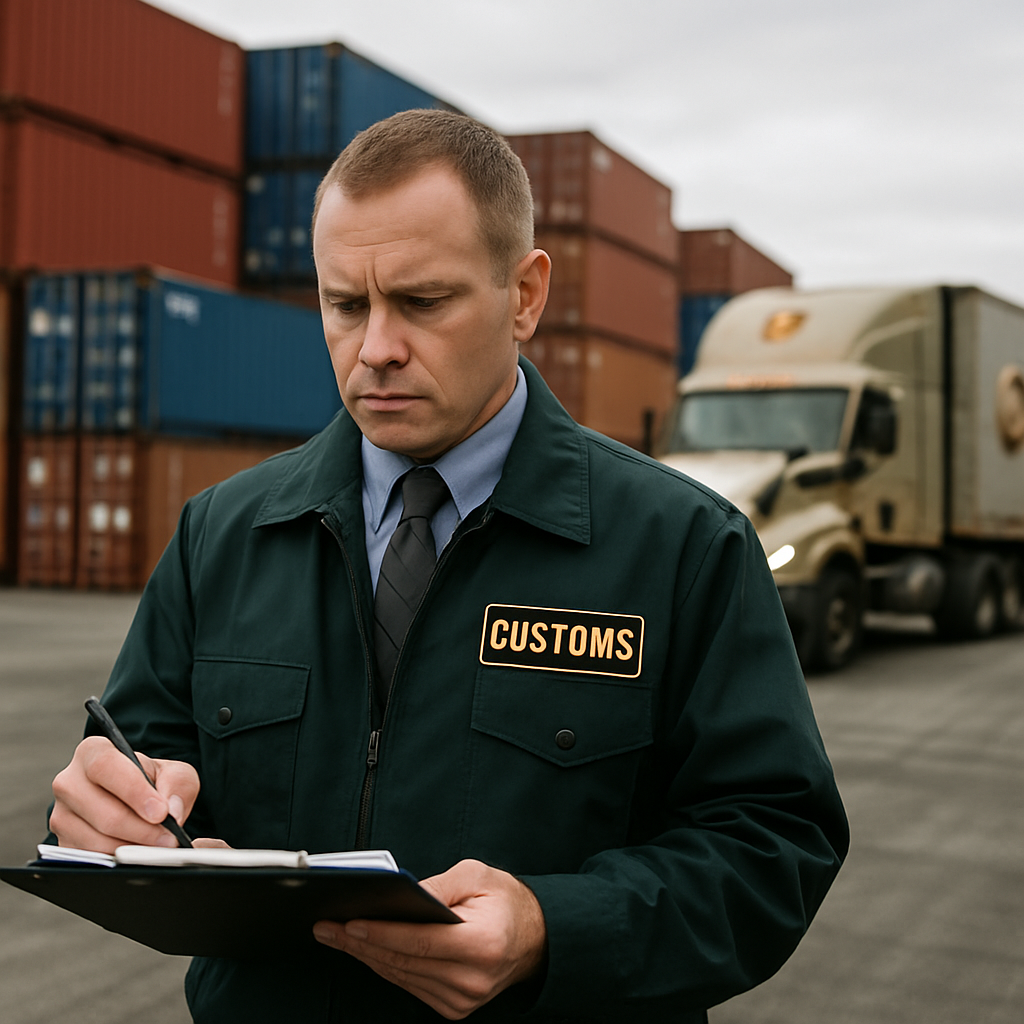
Overview: UPS Customs Clearance, Import Rules, and Shipment Tracking Explained
When you ship goods internationally with UPS, understanding customs clearance is essential. Customs clearance is the official process that allows shipments to enter or exit the United States legally, ensuring all regulations are satisfied and that import duties are assessed properly. Proper documentation not only keeps your shipment on track but also smooths the path for timely delivery and real-time tracking updates. For those importing goods into the USA—especially from suppliers such as Shein, or when handling business shipments—the process requires attention to detail and clear communication with all parties, including customs authorities and your UPS contact.
How the UPS Customs Clearance Process Works for Imports
Clearing customs through UPS begins as soon as your shipment arrives at a US entry port or airport. Each parcel must be accompanied by documentation that provides customs officers with details—such as value, origin, quantity, and product use. Shipments without accurate paperwork can face processing delays or additional inspections.
Most international UPS shipments pass through entry points at key US airports or ports, where customs officials review and verify submitted documents. The customs entry process includes checking the commercial invoice, packing list, and, when relevant, special import permits or licenses. When these are complete, goods can move on to their final destination within the US.
UPS helps streamline these steps by offering customs brokerage services. Their team works in tandem with US Customs and Border Protection to reduce issues and minimize risk of delays (source). This service can be particularly valuable for high-volume importers and for customers unfamiliar with US import regulations.
Customs clearance timeframes vary. While many shipments clear within hours, some—due to incomplete documentation, customs code mismatches, or targeted inspections—could take several days or longer. To avoid lengthy hold-ups, always confirm import codes, include all required documents, and consult the UPS tracking portal for status updates.
Required Documents and Customs Codes for United States Shipments
Importing into the US requires submitting several critical documents. The most common include the commercial invoice, packing list, and either a bill of lading or waybill. In some scenarios, you may also need to provide certificates of origin, import permits, or special licenses. The accuracy of these forms directly impacts customs clearance success.
Each product is also assigned a customs code—typically the Harmonized System (HS) code—which classifies it for regulatory, duty, and statistical purposes. Careful selection of the proper code is vital. Incorrect or blank codes can trigger costly delays. If you are unsure of the proper code, consult with UPS customs brokerage agents or reference online resources for guidance.
When importing from countries like China, special attention should also be given to the country-of-origin declaration and compliance with any current tariffs or trade restrictions. Once all requirements are met, the UPS customs clearance team will guide your shipment through the appropriate US port entry, handling most regulatory hurdles on your behalf (source).
Documentation must be complete and transmitted to US Customs prior to the shipment's arrival at the entry port. Missing or inaccurate information, as reported by industry news sources, is a key contributor to delays and can leave shipments stranded or even subject to penalty fees.
UPS tracking systems are updated in real time as shipments move through the customs clearance process, giving shippers and importers ongoing visibility and peace of mind.
Where and How Customs Clearance Happens: US Entry Ports and Airports
UPS processes customs clearance at hundreds of ports and major international airports across the United States. Facilities such as Louisville International Airport in Kentucky and key locations in California, New Jersey, and Texas serve as primary hubs for both inbound and outbound international shipments.
Port entry locations are determined by the route, origin, and contents of your shipment. Some imports may be cleared at the first airport of arrival, while others route through inland customs facilities before distribution. Large-volume importers frequently use dedicated UPS customs brokerage offices at these points, which helps expedite the review process and improves efficiency for businesses dealing with frequent international shipments.
For shipments from China and other high-volume origins, UPS is equipped with logistics support to handle complex paperwork and facilitate faster clearance. By leveraging advanced technology and strong working relationships with customs officials, UPS is able to provide tailored support whether a shipment is headed to a major metro area or a smaller port of entry.
Cost, Phone Contact, and Tracking Support for UPS Customs Services
The costs associated with UPS customs clearance depend on the type of goods, the declared value, duties assessed, and any special processing required. Routine shipments incur standard brokerage fees, but specialized or restricted items might face additional charges. It is best to request a specific cost estimate or form directly from UPS prior to shipping, particularly for first-time or high-value imports.
If a shipment's customs status reads 'customs clearance completed,' it typically means the package has passed all entry checks and will continue to its final delivery point. If delays arise or extra information is needed, UPS will proactively reach out, often attempting multiple contacts with the shipper before further action (source).
Contacting the UPS customs clearance support line, available both online and by phone, can help resolve complicated clearance questions or enable access to forms, cost breakdowns, and requirements for specialized shipments. For ongoing updates, the UPS tracking portal provides real-time shipment status from the moment your item lands in the US to its final delivery.
Staying informed and maintaining complete documentation are the two best strategies for smooth customs clearance with UPS. By following these procedures, importers and exporters can confidently navigate the shipping process and avoid unnecessary delays or penalties.
Making use of official resources and proactive communication with UPS ensures a seamless customs clearance process for all your US imports and international shipments.

One thought on “Customs Clearance Ups Process and Tracking: Understanding Import Requirements in the US”