
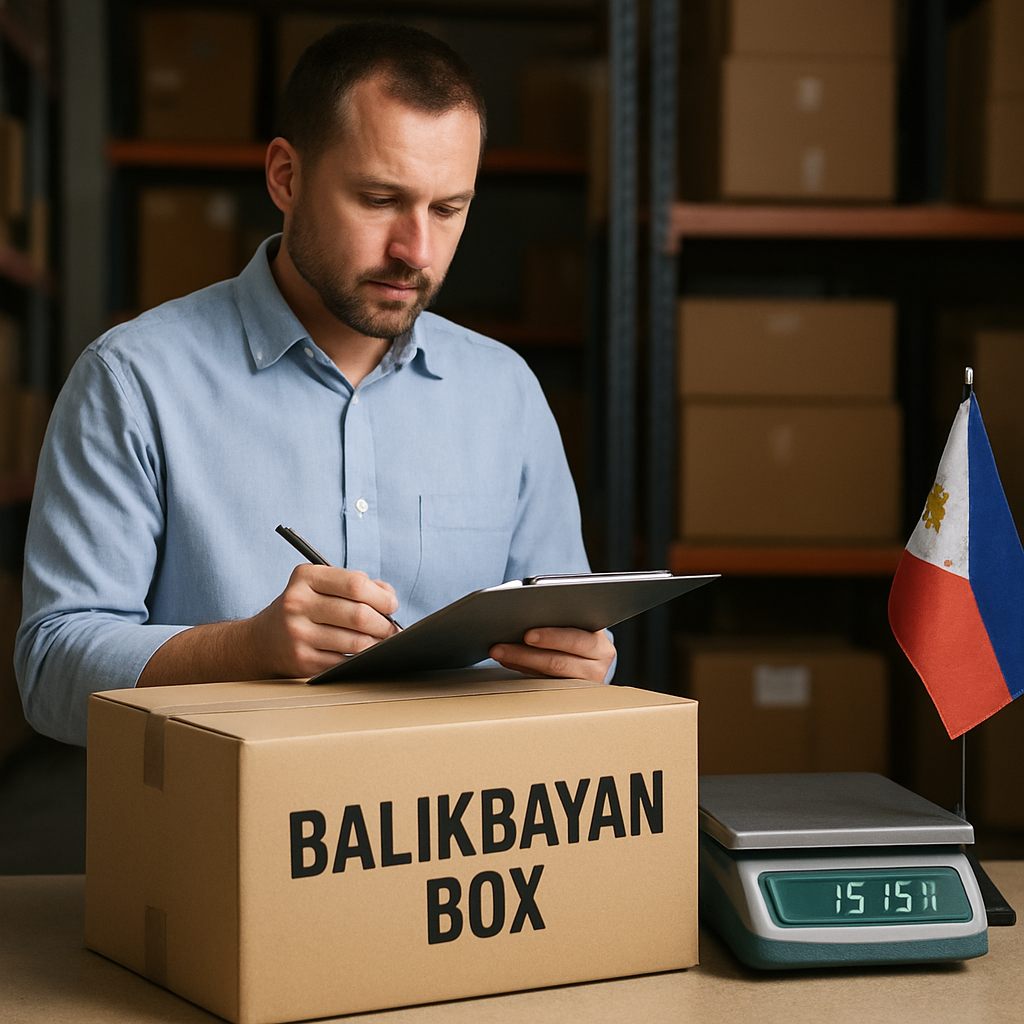
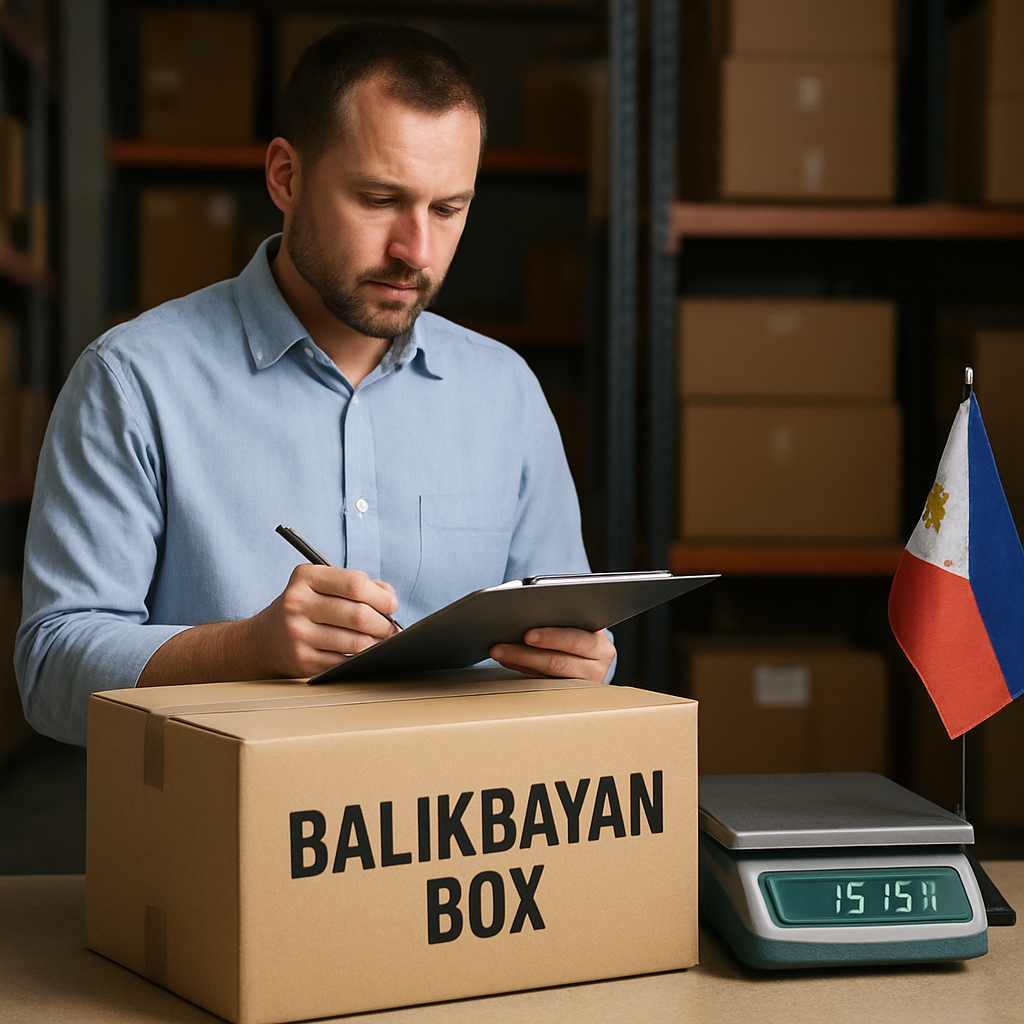
If you are asking how much it costs to ship a balikbayan box to the Philippines, the honest answer is: there is no single fixed price. Costs vary by carrier, box size, dimensions, weight, destination zone in the Philippines, and whether you choose drop-off or pickup service. As a rough guide, real-world examples can range from about $73 to $83 for a regular box to Metro Manila in one provider example, about $85 per box in one discussion result, around $110 per box in another, and much higher averages of roughly $190 to $200 per box when dimensions and weight are factored in. Those are examples, not universal market rates.
In practice, sea cargo is usually the cheapest way to send a balikbayan box, while air freight is faster but more expensive. If you want the best price, the key is to compare current quotes from carriers based on the exact box size, destination, and service level you need.
How Much Does It Cost to Ship a Balikbayan Box?
The shipping cost depends on how the carrier prices the box. Some providers use flat per-box pricing for standard balikbayan box sizes, while others price by dimensions and weight. That is why one quote can look very different from another even on the same USA-to-Philippines route.
Based on the live sources available for this article, the most useful way to think about price is as a range rather than a fixed number:
- Lower-cost examples: around $73 to $83 for a regular box to Metro Manila in one provider example.
- Typical discussion examples: about $85 per box or about $110 per box in separate user discussions.
- Higher variable-pricing examples: around $190 to $200 per box when dimensions and weight drive the quote.
Those figures show why it is risky to rely on a single published price you saw online. A carrier’s base price may not include pickup, special handling, or delivery to a more distant province or island destination.
For an example of how carrier pricing can change by size and destination, one service page shows a regular box to Metro Manila at a lower drop-off rate and a higher customs-or-pickup-style rate. You can review that kind of structure on the carrier’s own shipping page, such as its balikbayan box pricing example. For general guidance on why costs vary, this balikbayan box cost guide explains the main price drivers clearly.
What usually changes the price
- Box dimensions: Larger boxes usually cost more.
- Weight: Some carriers price by weight or combine weight with dimensions.
- Pickup versus drop-off: Pickup often adds cost.
- Destination zone: Metro Manila pricing may differ from provincial or island deliveries.
- Service type: Sea freight and air freight are priced differently.
- Add-ons: Insurance, special handling, or packing materials can increase the total.
What Is the Cheapest Way to Send a Balikbayan Box?
The cheapest way to send a balikbayan box to the Philippines is generally sea cargo. It is the budget option because it is slower and built for cost-efficient transport rather than speed. That same trade-off is why air freight tends to cost more.
If your goal is to save money, compare providers on the full quote rather than the headline rate alone. The lowest advertised price is not always the cheapest final price once pickup, destination zone, and other service charges are included.
A sensible comparison should include:
- the box size or accepted dimensions
- the destination in the Philippines
- whether the quote is for drop-off or pickup
- whether the service is flat-rate or dimension/weight-based
- any extras such as insurance or special handling
In other words, the cheapest option is usually not the fastest option. If you can wait, sea cargo is normally the most economical choice. If speed matters more than price, you will usually pay more for a faster service.
How Much Does an LBC Balikbayan Box Cost From the USA?
LBC is one of the carriers people commonly check when sending a balikbayan box from the USA to the Philippines. The company’s U.S. shipping services page confirms that it offers balikbayan box shipping and provides a rate calculator/contact route for shipping cost enquiries. The important point is that the live source does not give a universal current price table for every box size and destination, so it would be inaccurate to invent one here.
If you want current LBC pricing, the safest approach is to use its own shipping services information and request a quote based on your exact shipment details. You can start with LBC’s U.S. shipping services page, which notes that balikbayan box shipping is available and refers customers to its rate calculator or contact options.
For planning purposes, assume LBC’s price will still depend on the same factors that affect other carriers: box size, destination, and service configuration. Do not assume LBC is always the cheapest carrier, and do not assume one quoted rate applies to every province or box type.
How to Send a Balikbayan Box to the Philippines
If you are sending a balikbayan box for the first time, the process is straightforward once you break it into steps. The main goal is to choose a provider, pack the box correctly, and confirm the final quote before you hand it over.
- Choose a carrier or shipping agent. Compare nearby drop-off points, local agents, or pickup services if you are searching for a provider near you.
- Confirm what can be packed. Check the carrier’s rules before you seal the box.
- Pick the right box size. A bigger box may cost more, so do not overbuy space you do not need.
- Pack securely. Use strong tape, cushioning, and careful stacking so items do not shift in transit.
- Request a quote. Ask whether the price changes by destination zone, pickup, or dimensions.
- Arrange drop-off or pickup. A nearby branch or agent may be cheaper than pickup.
- Keep your reference details. Save the tracking number, receipt, or booking reference so you can monitor progress later.
If you are specifically looking for a balikbayan box shipping to Philippines near me option, focus on what nearby providers actually offer rather than trying to find a universal directory. Look for branch drop-off points, local freight agents, or pickup services in your area, then compare the quote, service terms, and destination coverage.
After booking, it can help to keep an eye on the shipment status. If your carrier is LBC, our guide on how to check LBC tracking status explains how to follow a parcel or cargo movement once you have a trace number.
How Long Does a Balikbayan Box Take From the USA to the Philippines?
Transit time depends on the carrier, routing, port handling, customs processing, and the final destination in the Philippines. The research available for this article supports the general rule that sea cargo is slower than air cargo, but it does not support one universal delivery window for every service.
That means you should treat any quoted timing as an estimate, not a guarantee. Some boxes will move faster than others because of origin city, sailing schedule, destination zone, and how smoothly the shipment passes through the carrier’s and customs’ processes.
The practical decision is simple: if you choose the cheapest service, expect a longer transit time. If you need the box sooner, expect to pay more for speed.
What Cannot Be Sent in a Balikbayan Box?
Before you ship, check what is prohibited or restricted. Carrier rules and destination rules can affect whether a box is accepted, delayed, or returned. That is why this is not just a packing issue; it is a shipping-compliance issue.
The live sources for this article support a general restriction warning, but they do not provide a complete Philippines-specific banned-items list that should be presented as universal. So the safest advice is to verify the carrier’s own prohibited-items policy before you pack.
As a rule, do not assume every provider allows the same items. Carrier policies can be stricter than general shipping advice, and a box that seems fine in one context may still be refused by another provider.
For a broader overview of shipping restrictions and next steps, see our guide on what you are not allowed to ship internationally.
A practical pre-shipping checklist
- Read the carrier’s prohibited-items policy.
- Check whether the destination has special import restrictions.
- Make sure fragile items are protected properly.
- Do not pack anything that could trigger refusal or inspection issues.
- Keep a list of what is inside the box in case the carrier asks for it.
How to Compare Quotes Without Overpaying
If you want the cheapest realistic shipping option, compare more than the base rate. A quote that looks cheaper at first can end up costing more once pickup, destination-zone pricing, or oversized dimensions are added.
| Quote factor | Why it matters |
|---|---|
| Box size | Some carriers use fixed box sizes; larger boxes often cost more. |
| Weight/dimensions | Variable pricing can rise quickly if the box is heavy or bulky. |
| Pickup or drop-off | Pickup may be more convenient, but it can add fees. |
| Destination zone | Metro Manila may be priced differently from provincial delivery areas. |
| Service speed | Faster services usually cost more than sea cargo. |
If you are planning a box with household goods or gifts and want to estimate the total landed cost more broadly, our guide on import tax from the USA explains the difference between shipping cost and import-related charges. For a more detailed total-cost method, you can also use our article on how to calculate landed cost.
Bottom Line
So, how much does it cost to ship a balikbayan box to the Philippines? The price varies widely, but the best answer is that sea cargo is usually the cheapest, while final cost depends on box size, weight or dimensions, destination zone, and whether you choose pickup or drop-off. Current live examples suggest anything from the low $70s for some regular-box offers to much higher prices when dimensions and weight are priced directly.
If you want the lowest price, compare carrier quotes carefully. If you want faster delivery, expect to pay more. And if you are using a specific provider like LBC, use the carrier’s own rate tool or contact route for the current quote rather than relying on outdated tables online.