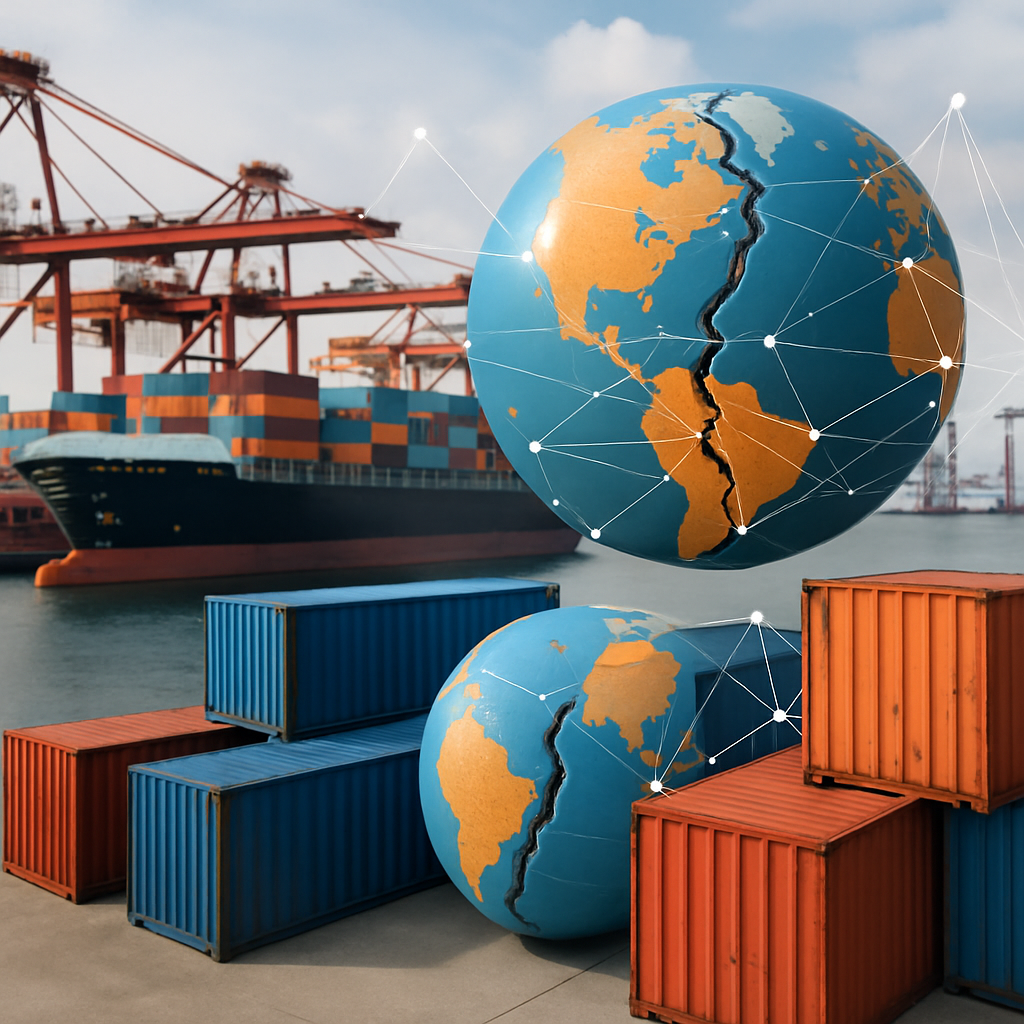
Tariff Impact on Supply Chain Management: Global Network Disruption and Trade Effects Explained
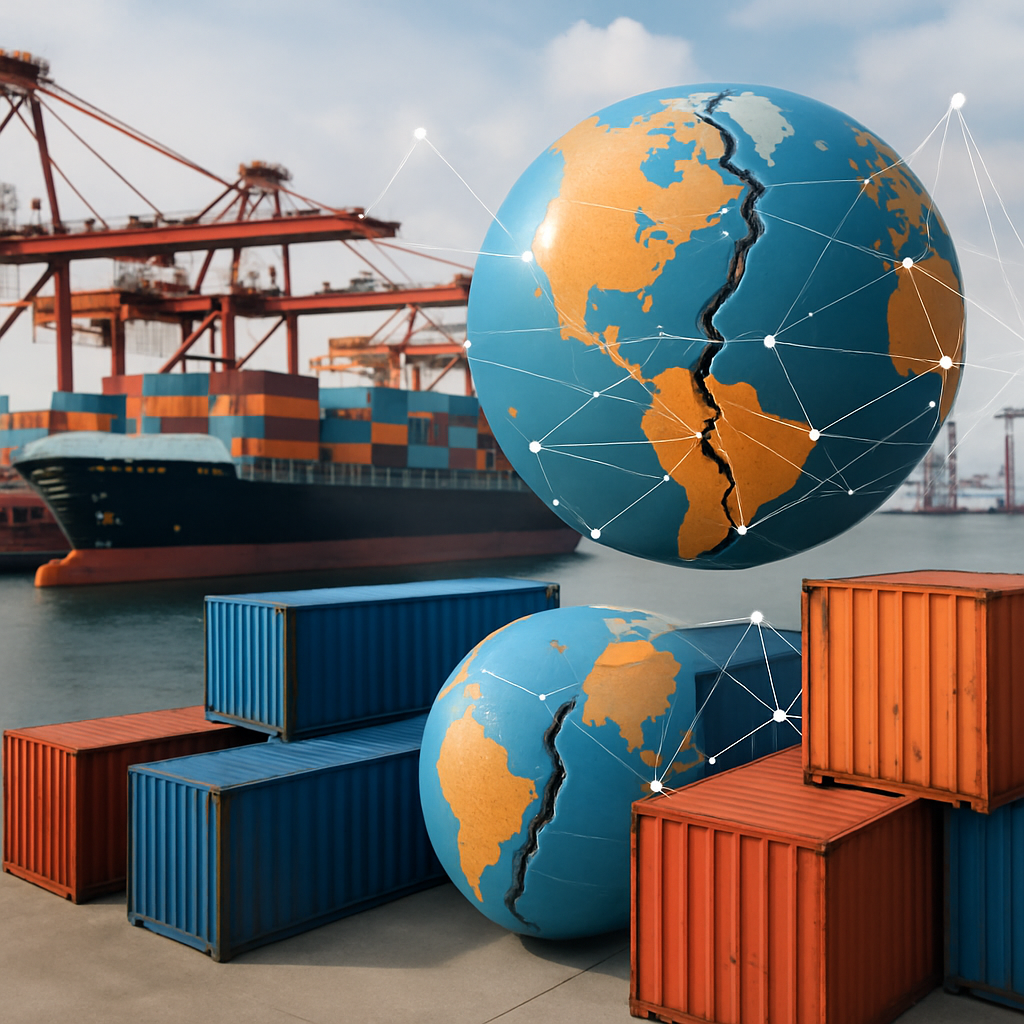
How Tariffs Rapidly Reshape Global Supply Chains and Disrupt Network Management
Tariffs quickly increase costs and uncertainty, forcing supply chain executives to rethink sourcing, pricing, and network decisions. For manufacturers and packaging-dependent businesses, tariffs on imports mean higher prices for raw materials and finished goods. In today’s volatile trade environment, understanding how tariffs alter supply chain management is essential for anyone tasked with keeping operations efficient and competitive. Leaders must monitor tariff rates, anticipate new trade duties, and react to disruptions, or risk sudden increases in landed costs and the erosion of margin across regional and global networks.
Tariff Impact on Supply Chain Management: Immediate Effects and Underlying Causes
Tariffs act as sudden, often unpredictable taxes imposed on imported goods, instantly altering the economics of sourcing and distribution. When countries—such as the United States—impose new duties, especially on packaging or part-intensive sectors, supply chain managers are forced to absorb or pass on those costs. Significant import duties, whether related to U.S. trade rules or retaliatory international tariffs, directly impact how goods get priced and move through each link in the supply chain network.
These charges not only drive up the cost of imports but also reorganize the global network configuration of suppliers and distribution centers. With tariffs applied to parts or packaging materials sourced from countries like China or Malaysia, U.S. chains must frequently re-examine their entire procurement and manufacturing footprint. Some companies may reroute orders to avoid high-tariff zones, while others attempt to negotiate better terms or invest in domestic alternatives. This ongoing adjustment amplifies management complexity, often leading to supply delays, inflated costs, and margin pressure.
International trade policy changes—such as those triggered by the U.S. under the Trump administration—create ripple effects throughout world markets. The cause and effect of tariff implementation, including during periods of disruption like the COVID-19 pandemic or conflict near the Strait of Hormuz, is subject to rapid regulatory shifts. As cited by this detailed guide, the resulting unpredictability challenges managers to balance compliance, cost, and operational resilience.
Understanding Fees, Rates, and Network Disruption in International Trade
Tariffs aren’t just a matter of paperwork or increased duties at ports. They can affect every stage of the supply chain, from negotiating fees on raw imports to managing the rates charged for finished goods crossing borders. These additional costs often create cumulative disruptions, worsening inflation and changing long-held trade relationships between nations.
One direct effect is the need to constantly renegotiate contracts and supplier agreements. Firms importing packaging or automotive components find themselves squeezed by both higher duties and the risk of further hikes in tariff rates. Fluctuations in these rates can leave managers caught between honoring obligations to customers and maintaining their own profitability, often compounded by swings in global stock markets responding to new tariff announcements.
Notably, insightful reports emphasize that as tariffs shift, overall landed costs change, forcing reevaluation of everything from insurance coverage to capital investment plans. Companies must also weigh the tradeoff between holding inventory (to hedge against tariffs) and the carrying costs associated with stockpiling.
Case Studies: Tariff-Induced Disruptions During Global Events
Historical disruptions—such as trade wars, the COVID-19 pandemic, and tensions in key locations like the Strait of Hormuz—demonstrate how tariffs heighten supply chain risk. During the 2018-2020 period, U.S. tariffs on Chinese imports forced many American firms to rapidly reconfigure supply routes, resulting in increased costs and delivery uncertainty.
In the pandemic’s early months, additional duties on packaging material imports from Asia inflated already high air and sea freight charges. Managers scrambled to secure supply, sometimes turning to more expensive sources in Vietnam, India, or Mexico to keep shelves stocked and production lines running. The ongoing war in Iran and disruptions along critical chokepoints reinforce how quickly changing duties can cascade throughout interconnected supply chain networks.
Tariff policy also affects investment over time. Some companies accelerate efforts to localize production, especially when faced with chronic trade unpredictability and the risk of further disruptions. Others may temporarily exit certain markets, shifting capital to regions less exposed to sudden changes in tariff rates or trade rules.
Tariffs, Inflation, and the Stock Market: Broader Economic Implications
Rising tariffs, especially those imposed rapidly in response to international disputes, frequently stoke inflation by directly increasing the landed cost of imported goods. These increases filter down to consumer prices: local producers may benefit in the short term, but the broader economy often absorbs the brunt of higher costs via inflationary pressure.
For investors and capital markets, frequent increases in trade duties fuel market volatility. Share prices of packaging manufacturers, logistics firms, and retail chains often react sharply to changes in policy or speculation over new international tariffs. The stock market today closely watches not only official tariff announcements but also signals of potential new rulings or disruptions that could affect major trade corridors.
Economists and supply chain analysts review tariff impact curves—”what happens if” scenarios that chart how a one-point increase in tariffs gradually pushes up domestic prices and erodes demand for imports. These models help classify risk and forecast both the aggregate and sector-specific economic consequences that radiate from tariff-driven global network disruptions.
Future Trends: Adapting Supply Chain Management and Global Network Configuration
Looking ahead to 2026 and beyond, global supply chain management will remain highly sensitive to shifting international trade regulations and tariff rates. As new causes and effects of tariff decisions emerge, businesses must build flexibility into their global network configuration, diversify sourcing, and ensure the ability to adapt quickly to new trade realities.
Advanced analytics, scenario planning, and integrated management systems help companies monitor tariff changes, simulate cost impacts, and proactively adjust supply flows. The ongoing trend toward “localization” reflects a strategic response to the risk of overseas tariff hikes—especially for industries where packaging and raw material imports play a central role. Companies that invest in technology and data-driven decision making will likely outperform peers less able to adapt to the evolving responsibilities and risks of global supply chain management.
With tariff policy expected to remain a key driver of disruption, future leaders will need to closely track economic news, maintain strong relationships with both international and domestic suppliers, and be ready to pivot sourcing and investment strategies as global trade conditions shift.
Conclusion: Navigating Duties and Disruptions—What Businesses Must Anticipate
The modern supply chain is deeply entwined with international tariff policy, making supply chain management increasingly complex and dynamic. Organizations must stay informed on tariff rates, keep a close eye on emerging trade rulings, and understand how every new charge or duty could influence their network configuration and bottom line. By proactively analyzing tariff causes, effects, and disruptions—with a focus on both immediate and long-term risks—supply chain leaders can better protect their business from the unpredictable swings of global trade.