Foreign Trade Automation in Import & Export: Real-Time Shipment Tracking and Compliance Management
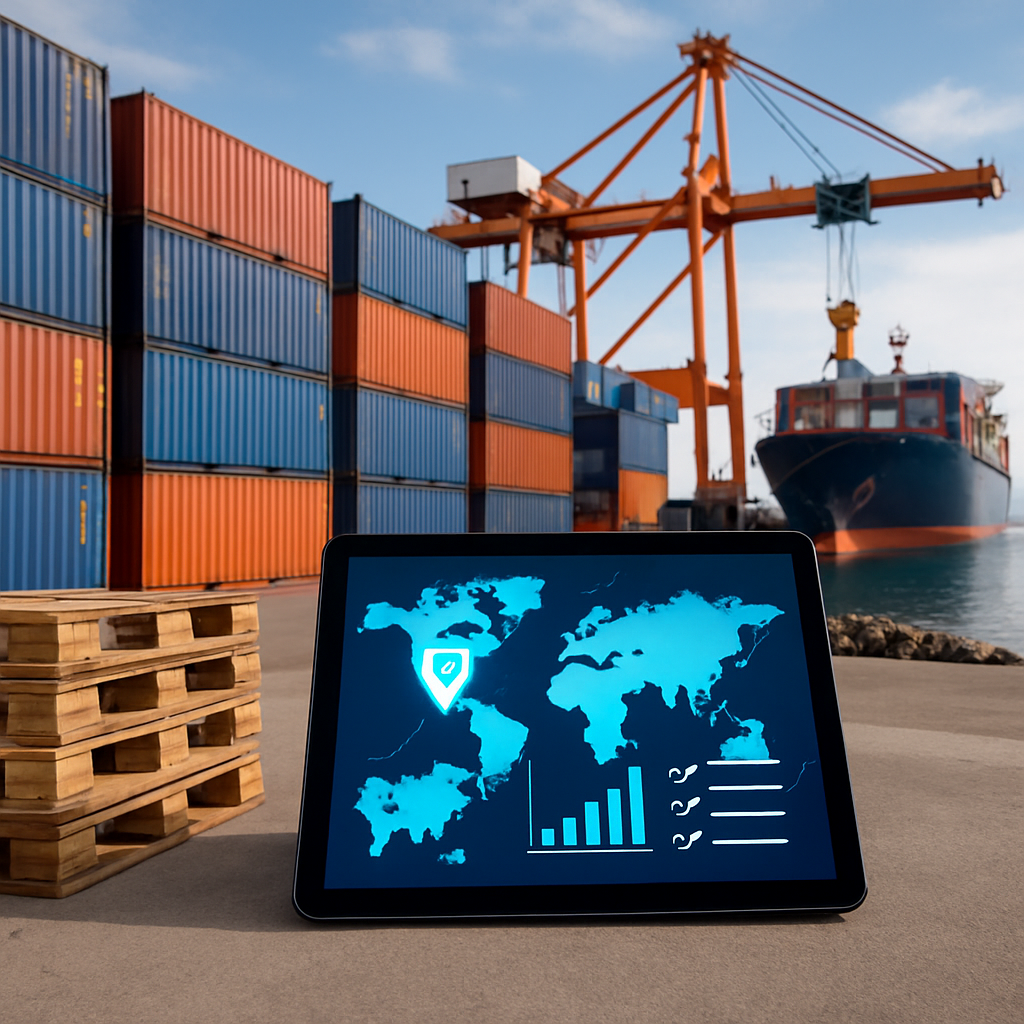
Foreign trade automation is revolutionizing the way companies manage their import and export operations. By automating the entire lifecycle of import/export logistics—from documentation to compliance and shipment tracking—businesses are now experiencing unprecedented control, reduced error, and dramatically improved efficiency. If your organization relies on global trade, automation software is no longer a luxury; it is the operating system essential for seamless cross-border shipment tracking, regulatory compliance, and real-time supply chain visibility. Foreign trade automation tools ensure that import companies and export firms can adapt quickly to market demands while minimizing risk and maintaining competitive edges in international business.
How Automation Streamlines Import & Export Management Jobs
In today’s fast-paced global environment, import and export companies require staff with focused responsibilities such as export coordinators and management specialists. Automation platforms significantly enhance daily workflows for these roles by providing intuitive system flows and real-time shipment status, thus reducing manual entry and catastrophic delays. Export coordinators, often tasked with overseeing documentation and customs filings, benefit from integrated tracking solutions and automated data validation throughout the shipment’s journey.
Management roles within these companies now shift from reactive troubleshooting to proactive process improvement. Automated alerts, exception management, and dashboard analytics empower logistics managers and compliance staff to make informed operational decisions. This transition not only increases productivity but also redefines salary expectations, as new skills in data analytics and compliance monitoring command premium compensation in the sector.
Firms leveraging automation platforms also offer a competitive edge to job seekers exploring logistics jobs. With tasks like document management, shipment scheduling, and compliance checks driven by digital workflows, staff can focus on strategic challenges rather than repetitive paperwork. New opportunities, such as assistant positions in major trade hubs like Mumbai and Ludhiana, are increasingly skewed toward tech-driven skill sets, ensuring higher efficiency and job satisfaction.
Core Features: Shipment Tracking Systems and Real-Time Visibility
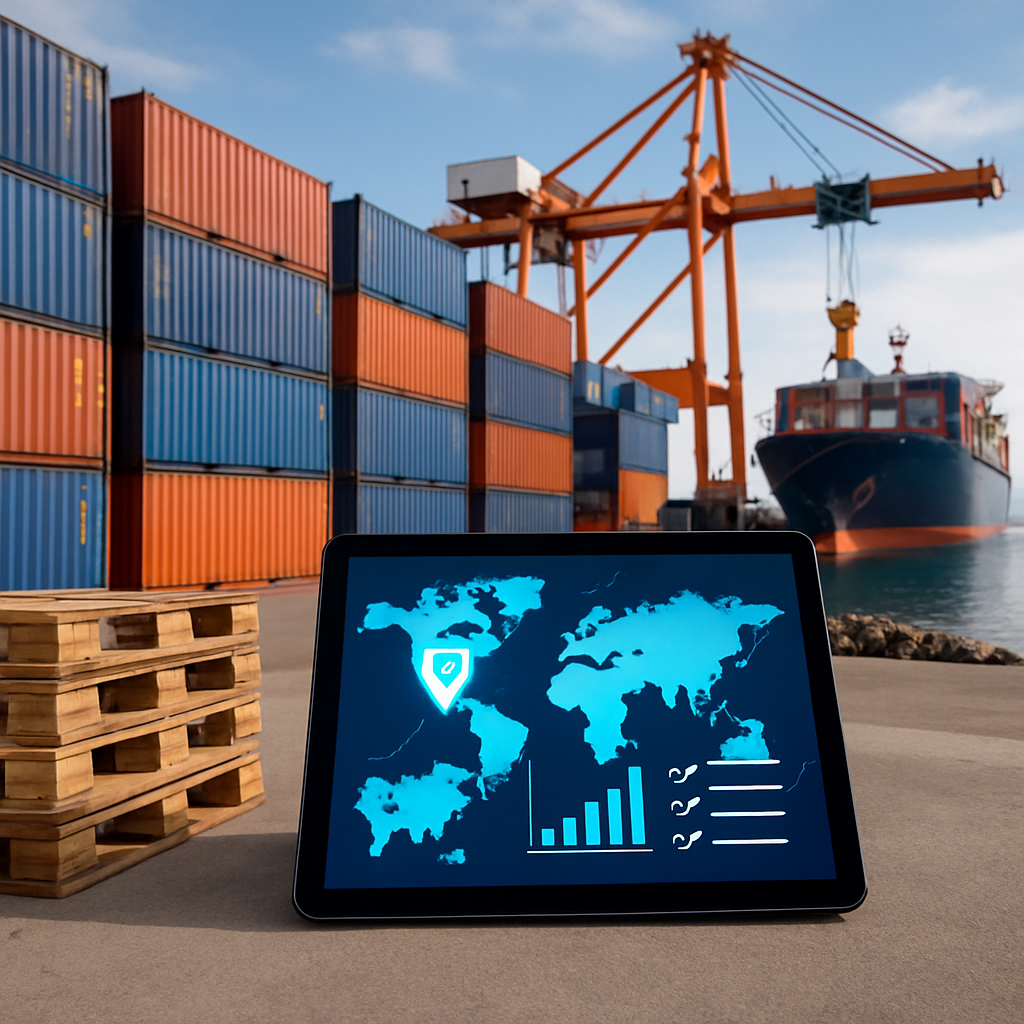
One of the highest-impact features in foreign trade automation is the provision of real-time shipment tracking integrated directly into management dashboards. Whether you are an export manager in Thailand or an import company headquartered in the USA, the ability to monitor goods through every transport stage is fundamental. Advanced shipment tracking numbers sync with external carriers such as USPS or international courier companies, providing instant updates on consignment status, delays, and customs clearance checkpoints.
Automated platforms offer tools such as Excel templates that interface directly with logistics data, supporting both operational management and compliance reporting. With automated system flow charts, there’s transparency in every handoff between importers, freight forwarders, and customs brokers. This means problems can be identified and rectified before they cascade, maintaining the integrity of entire shipments.
International oil shipping companies as well as general trading firms rely on this visibility for both compliance and business-critical reporting. Comprehensive tracking enables precise forecasting, reduces theft and loss risk, and supports proactive customer communication. For global partners, especially those spanning China, India, & other active corridors, this improves accountability and trust at every node of the supply chain. For more detail on how real-time tracking accelerates global operations, see how automation powers global supply chains.
Regulatory Compliance and Customs Filing with Trade Automation
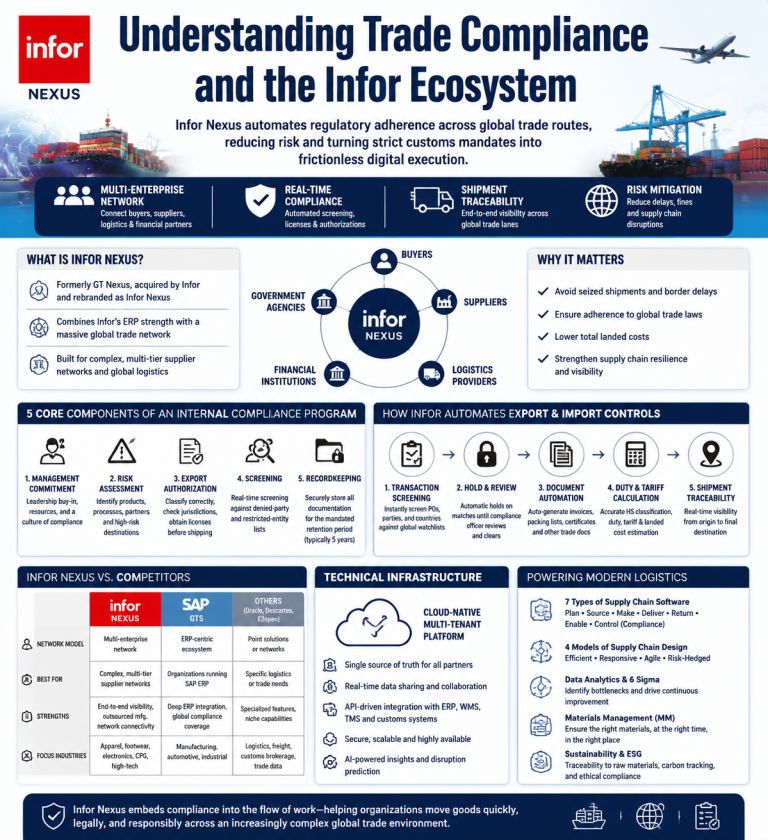
Trade compliance is a primary concern for importers and exporters, as non-compliance can lead to costly delays and penalties. Modern automation systems centralize document management and facilitate accurate customs filings using up-to-date regulatory data. By integrating shipment details and duty calculations with platforms specifically designed for compliance, businesses can submit entry summaries directly to customs authorities, such as U.S. Customs and Border Protection, ensuring that all declared values and trade agreement considerations are meticulously validated.
Automated systems also manage product integrity, a necessity for industries dealing with high safety or quality standards. Every shipment can be cross-referenced against electronic compliance checklists and quality benchmarks before being released for transport. For partners importing goods into the US or exporting to tightly regulated markets, these automated validations reduce the risk of shipment rejection and protect brand reputation.
Centralized trade platforms are particularly valuable for international companies with complex product portfolios, as they synchronize the compliance activities of teams spread across different regions like Ludhiana, Thailand, or the US. Through digital validation of every form and requirement, organizations move faster and enjoy significant cost savings by drastically reducing manual compliance labor. For a deeper examination of best practices in global trade compliance, refer to trusted Global Trade Solutions.
Automated Platform Integration: Connecting Trade, Transport, and Business Insights
Foreign trade automation platforms are designed to consolidate disparate business functions into a single interconnected workflow, bringing together import/export operations, compliance management, and business analytics. These platforms use cloud-based connectivity to link logistics management, customs clearance data, and transport company integrations in real time. By aggregating shipment status, document flows, and financial tracking, executives gain actionable insights needed for agile decision-making and supply chain resilience.
The process begins with order entry and extends through to final delivery verification, thanks to automation that adapts to the diverse requirements of companies ranging from medium-sized freight forwarders to enterprise-level logistics firms. Advanced system flows are highly customizable: templates and APIs allow integration with third-party shipping partners, review platforms, and even trading desks in forex for financial reconciliation.
Platforms are also supporting a wider business need by providing career resources and automating back-end office tasks typically handled by assistants. India, Mumbai, and Ludhiana-based logistics job markets are rapidly digitizing, with business limited firms and courier companies adopting these tools at scale. The effect is sweeping—higher productivity, streamlined onboarding for new staff, and the capability to manage global shipments with localized detail.
The Future of Import & Export Automation: Challenges and Opportunities
The rapid move toward automation in global trade is driven by the need to manage increasingly complex transport flows, fluctuating regulatory environments, and growing customer expectations for seamless delivery experiences. As more trade partners adopt these systems, competition for skilled coordinators and platform specialists increases, reflected in export coordinator salaries and specialist roles. Real-time system performance charts and operational reviews are becoming standard evaluation tools for import/export management jobs and supplier performance assessments.
Automation isn’t just about technology; it’s about rethinking business processes and capabilities. While implementing advanced automation software requires substantial initial investment and staff training, the returns—in minimized risk, error reduction, and operational cost savings—are substantial. Reviews from businesses using trading automation reveal that companies able to integrate robotics or algorithmic workflows dramatically outperform manual peers in terms of timing, compliance, and margin capture.
- Shipment Visibility and Tracking: Reliable tracking numbers and integrated dashboards provide clear, auditable records for every international shipment. This reassures customers, supports dispute resolution, and makes exception management far easier. In addition, companies benefit from fewer lost shipments and stronger customer satisfaction scores.
- Business Process Optimization: Automation platforms eliminate bottlenecks and redundant manual activities for companies operating in major markets like China, India, and Thailand. Systems offer customizable workflow engines that adapt to market-specific needs, ensuring compliance and logistical efficiency regardless of where the goods are sourced or sold.
As companies consolidate these capabilities into end-to-end automated systems, the role of specialists evolves and new career opportunities emerge. The most successful firms are those leveraging automation not only for shipment and compliance, but also for analytics-driven business decisions, fostering an environment that thrives on transparency, speed, and continuous improvement.
Final Thoughts: Why Automation Is Now Essential for Global Trade Success
In the world of international trade, automation technology has progressed from a productivity enhancer to a core business requirement. Importers, exporters, and logistics firms incorporating automation into their daily operations have proven better equipped to handle regulatory shifts, market disruptions, and client needs for real-time status updates. As competition intensifies and the global business climate becomes more unpredictable, foreign trade automation will continue to define success and set the standard for systemized, reliable, and transparent international commerce.