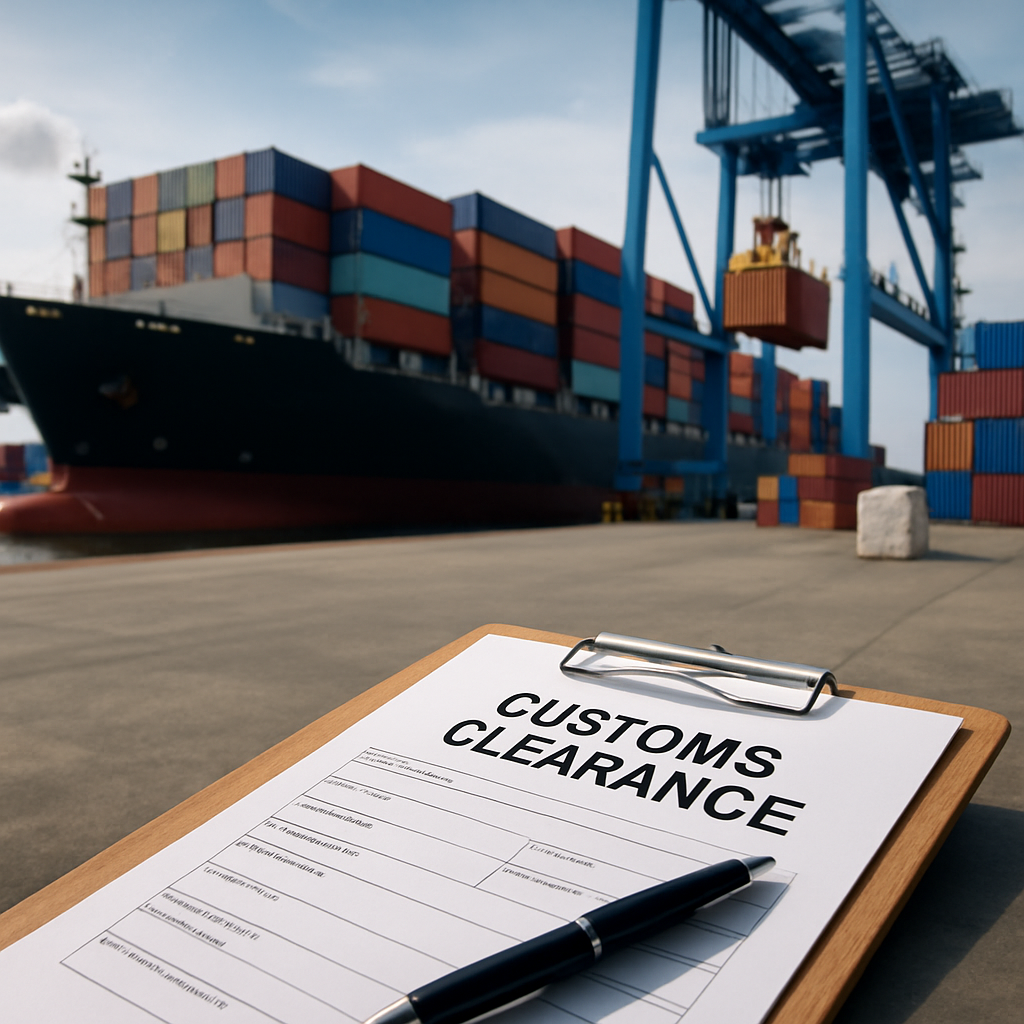
Understanding Customs Clearance: Essential Steps, Processes, and Documentation for International Logistics Success
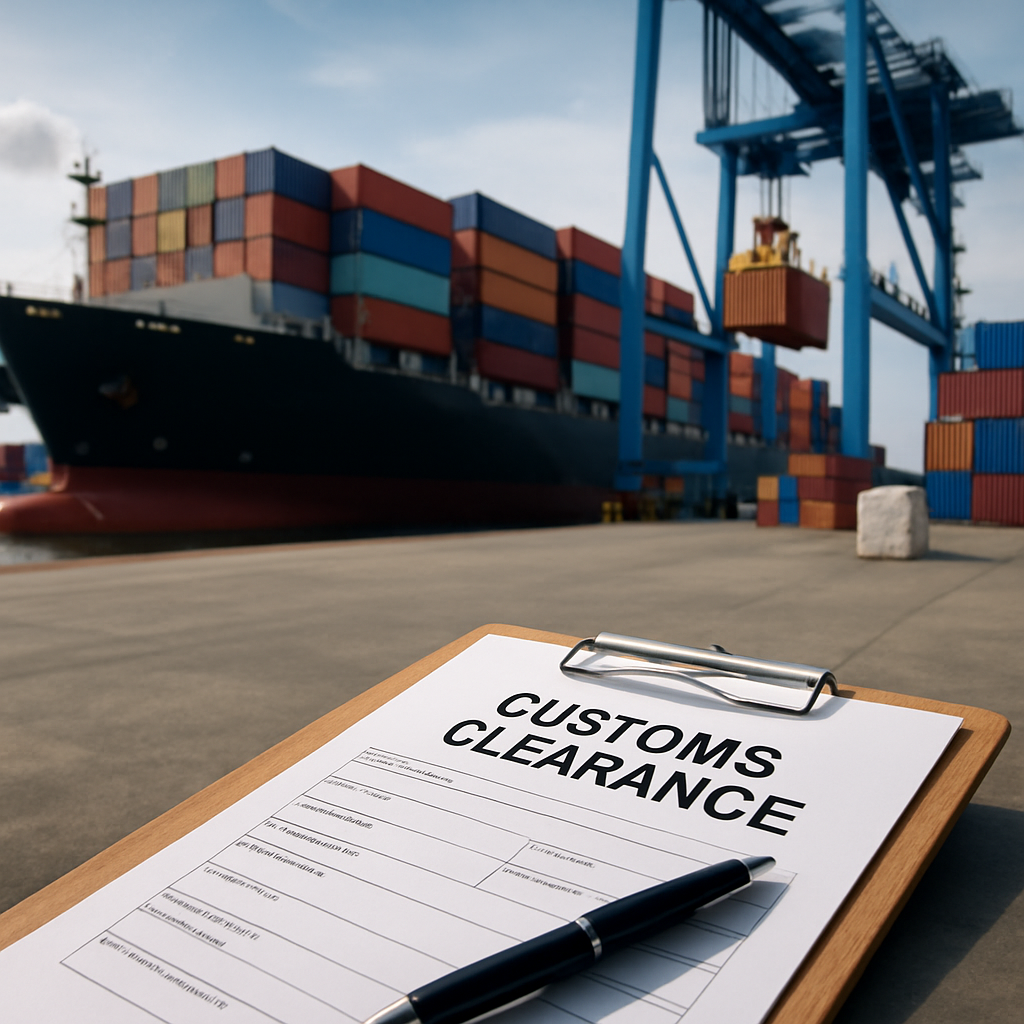
What Is Customs Clearance and Why Is It So Important in International Logistics?
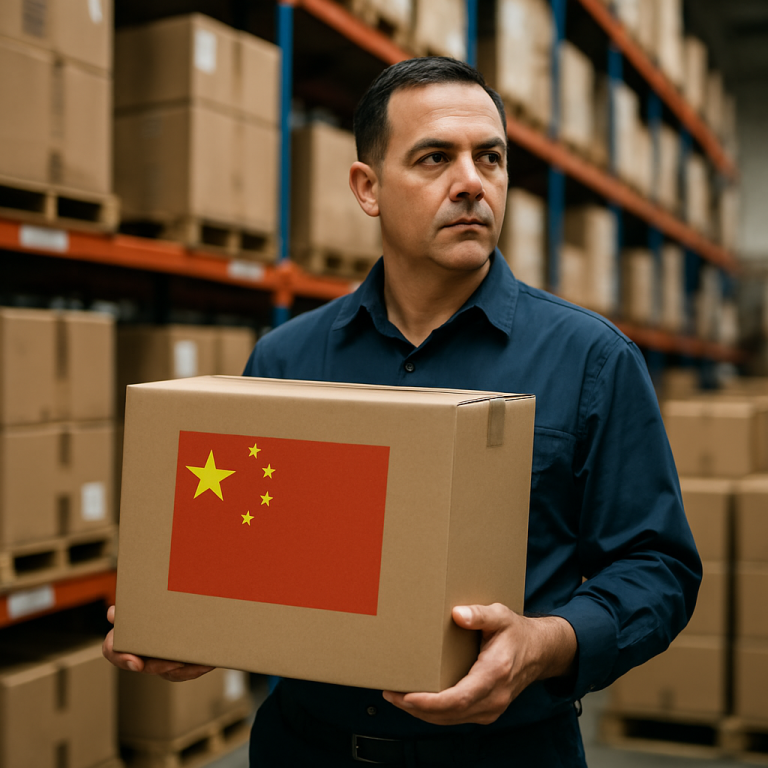
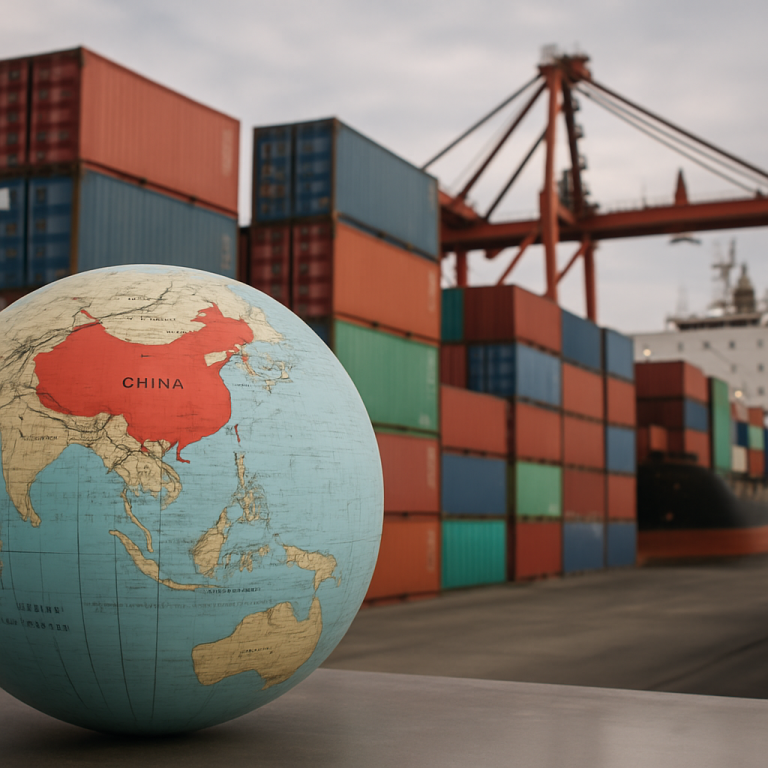
Customs clearance is the process that allows goods to legally enter or exit a country, ensuring full compliance with local and international regulations. Whether you are shipping freight from China to the United States, coordinating import delivery for clients in Canada, or handling export procedures from India to Dubai, successful customs clearance is fundamental. Without it, shipments can be stalled, returned, or even confiscated, directly impacting sales, company operations, and customer satisfaction. Effective customs clearance keeps goods flowing smoothly, maintains regulatory compliance, and minimizes costly delays for shippers, brokers, and freight forwarders alike (source).
Customs Clearance Process: Key Steps and Required Documentation
The customs clearance procedure begins as soon as goods arrive at their port of entry or exit. The core stages include classifying the goods by tariff code, submitting an import or export declaration, and presenting paperwork such as the commercial invoice, packing list, and certificate of origin. One common question is: What is declaration in shipping? Put simply, it is the official statement to Customs authorities detailing the item descriptions, their value, and their intended use (source).
Freight forwarders, customs brokers, and import-export companies play integral roles in this process. They prepare documentation, communicate with customs authorities, and ensure all taxes and duties are paid. Misclassification or missing paperwork can result in fines or shipment seizures. That’s why knowledge of required documents—commercial invoices, bills of lading, country-specific certificates, and even the harmonized system (HS) codes for classification—is vital for compliance.
The customs clearance workflow doesn’t end once taxes are paid. Customs agents carefully review documentation for accuracy and may require additional proof for certain items, especially restricted or controlled goods (such as food or technology subject to EAR or CCL regulations). Only once the shipment is cleared can it continue on to its destination for final delivery and forwarding.
Types of Customs Clearance by Region: From the United States and Canada to India, Dubai, and Beyond
Customs clearance rules and steps vary depending on the origin and destination. For example, import and export procedures in the United States are shaped by American customs laws and the role of U.S. Customs and Border Protection (CBP). In contrast, India mandates specific paperwork and regulatory checkpoints, while Dubai and Kenya may have their own sets of documentation and compliance guidelines. Each country publishes administrative lists and regulations outlining which goods require licenses or face restrictions.
For North America, the customs broker acts as a key intermediary, managing Customs entry paperwork, payments, and communications. In regions like Tanzania, Europe, or Russia, companies must adapt to local customs acts, changing rates, embargoed countries policies, and specific licensing requirements for dual-use or sensitive goods.
With e-commerce skyrocketing, clearance challenges now extend to packages arriving from platforms such as Shein, Temu, AliExpress, or TikTok Shop. Each parcel can trigger different customs requirements by country, meaning that the right company or logistics partner must understand not only the global customs flow chart, but also the administrative nuances of every involved jurisdiction.
How Long Does Customs Clearance Take? Locations, Timing, and Factors Affecting Delivery
A frequent concern for businesses and individuals is: How long does customs clearance take after a package arrives? The answer depends on a variety of factors, including the port (JFK in New York, Jamaica, Hawthorne, Johannesburg, Dubai), the type of goods, documentation completeness, and real-time regulatory checks. In the United States, standard customs clearance at major facilities might be completed within a day for routine shipments, but items flagged for inspection, missing paperwork, or complex classification can push the timeline to several days or longer.
The port and customs facility location often determine how quickly a package is processed. For example, the process “arrived at customs facility” or the message “customs clearance completed on” platforms like Aliexpress or Shein indicate that goods are moving through required administrative and compliance checks. However, delays can arise from regulatory reviews, duties calculation, or additional data requests.
If your shipment’s status is stuck, your customs broker or freight forwarder can help track it and address any document or regulatory gaps. Using a company with location lookup capabilities or one that is “near me” can often speed up problem resolution and package release, especially when dealing with commercial entries or sensitive goods.
Key Customs Clearance Challenges: Compliance, Administration, and Avoiding Common Pitfalls
The customs clearance process is not just about paperwork. It’s an administrative and compliance-driven test that requires knowing the law, regulation requirements by country, and changes to policies such as embargoed entities or CCL controls. Errors in classification, under-declared values, or incorrect paperwork can trigger audits, penalty fees, or re-export requirements. It’s essential to stay updated on compliance lists, document rules, and changes to customs act regulations.
Another often misunderstood concept is the difference between import and export clearance and the legal obligations associated with each. In the United States, for instance, shipments can be held until compliance with the latest 2024 or upcoming 2025 rules is confirmed, making it essential for exporters and shippers to possess the latest guides or lists in either PDF or downloadable formats as reference tools for seamless customs administration.
Many importers try to manage customs on their own, but the intricacies of modern customs policy for varied goods, from food to technology, mean that a licensed customs broker or expert company is often indispensable for correct entry, classification, and resolution of issues—particularly when working with embargoed countries or complying with specific entity control regulations.
The Future of Customs Clearance: Digital Documentation, Data, and Evolving Regulations
The world of customs clearance continues to evolve, with increased digitization, electronic document submission, and real-time location tracking. Global banks, companies, and freight forwarders now rely on customs data files, admin compliance tools, and digital PDFs for both sales processes and regulatory submission. The ability to list and track goods seamlessly, monitor law changes, and collaborate with customs brokers globally is proving essential for entities navigating complex global commerce.
For international shippers, keeping abreast of the latest import and export procedure guides, full-text rule documents, and regional requirements is more than just a paperwork chore—it represents the foundation for reliable delivery, optimal classification, and long-term business success. Firms must also plan ahead, as some products face changing regulations every few years, such as the 20-year or 25-year car import rules in the U.S. and elsewhere.
Whether you’re shipping commercial goods, food, or restricted technology, strong customs clearance means your packages can flow swiftly from China to the U.S., from Dubai to Canada, or from Spain to the EU—with compliance, timing, and documentation all fully under control, transforming logistics from a headache into a business advantage.