Arrived at Customs Clearance Broker Facility at LAX: Meaning, Timing & Next Steps
 Import Export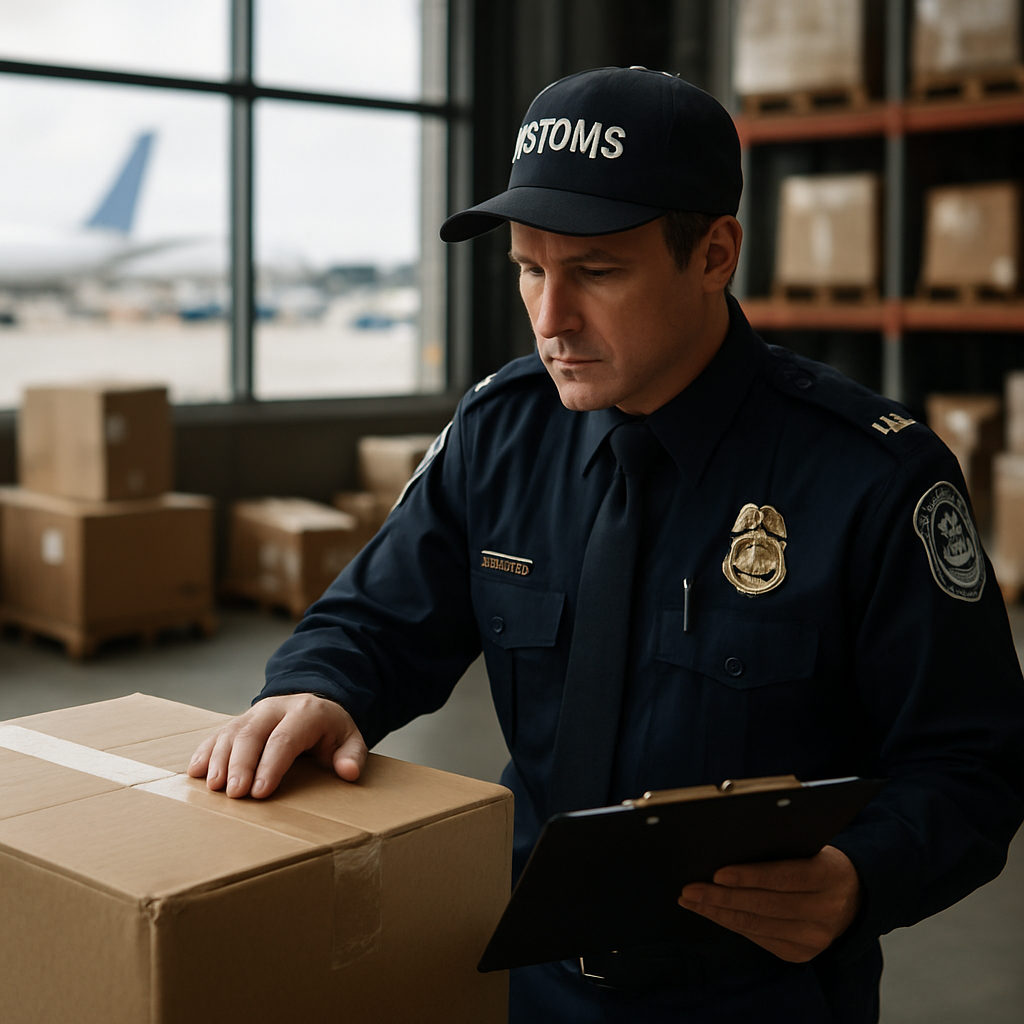
If tracking says “arrived at the customs clearance broker facility” at LAX, your package has usually reached, or is being handled within, the carrier’s or broker’s import-processing workflow in the Los Angeles gateway area. The carrier or marketplace may be preparing, reviewing or matching customs information before the parcel can continue through the US delivery network.
There is no single reliable wait time attached to this scan. It may be a short processing step, or the parcel may still need release, hand-off, sorting and onward domestic transit before you see the next update. The most useful sources are the named carrier’s official tracking page and the seller’s delivery estimate for your specific order.
The exact wording is a carrier or tracking-platform update, not a standardised US Customs and Border Protection (CBP) release notice. On its own, it does not confirm that CBP has released the package, that it is on hold or being inspected, that payment is due, or that you need to visit a facility. It also does not mean the parcel is lost.
What does “arrived at customs clearance broker facility” mean?
A customs broker is licensed to transact customs business on behalf of others, generally acting for the importer. Depending on the shipment, a broker may help prepare or submit entry information and supporting documents, and may communicate with the carrier, importer and relevant government agencies.
In parcel tracking, however, “customs clearance broker facility” is usually an operational label. It may refer to a carrier’s, broker’s or logistics provider’s handling location near the gateway. It does not establish the package’s precise physical location or mean that the facility is a public CBP office. A broker may not own the location, and not every facility described this way is a bonded warehouse.
For a small marketplace order, such as an order from Shein or another overseas seller, the seller, carrier or its logistics partner commonly manages much of the import process. The recipient usually does not need to appoint a separate broker or collect the parcel from the listed facility. Do not travel there unless a verified carrier or broker gives you explicit collection instructions.
What the scan does and does not tell you
- It can indicate: a processing hand-off, document or data review, a customs-related workflow step, or waiting for the next carrier movement.
- It does not confirm: CBP release, a customs hold, payment due or a delivery date.
- It does not identify: the exact warehouse, the person handling the package, or whether the parcel is physically at a CBP location.
CBP’s LAX cargo operation is a specific cargo port, identified as port code 2720, with published LAX cargo operations contact and clearance-counter details. A tracking message mentioning LAX does not mean that every parcel is physically at that CBP location; carriers, brokers and logistics providers operate their own cargo-handling locations around the airport.
Where the status fits in LAX customs clearance
Customs clearance is a series of documentary, regulatory and physical-handling steps rather than one scan. The precise sequence varies between courier, postal, consolidated e-commerce and commercial cargo shipments. For example, electronic entry data may be transmitted before or after a physical gateway scan, depending on the carrier’s process.
A typical flow looks like this:
- The shipment lands at, or is routed through, the LAX gateway.
- The carrier moves it into its cargo, postal, broker or other handling process.
- The carrier, broker or importer provides the applicable entry data and documents.
- CBP may release the shipment, request further information or take other action under the applicable import process.
- After release, the carrier or postal operator can collect, sort and move the package into its domestic network.
This is a general process map, not a real-time decoder for one tracking event. A parcel may be awaiting batch breakdown, data matching, release information or collection by the onward carrier even when the tracking page displays only one broad status.
Common tracking statuses after a broker-facility scan
| Tracking wording | Usually indicates | What it does not confirm | Best next step |
|---|---|---|---|
| Arrived at customs clearance broker facility | The package is within a carrier, broker or logistics import-processing workflow. | CBP release, a customs hold, payment due or a delivery date. | Check the named carrier’s official tracking page and wait for a more specific update or request. |
| Customs clearance has been completed or customs released | The customs stage has normally been completed for that shipment. | Immediate carrier collection, an immediate domestic scan or same-day delivery. | Look for collection, sorting or the next domestic-carrier scan. |
| Carrier has picked up the goods or similar wording | The parcel may have left, or be in the process of leaving, the broker or customs-handling area for carrier sorting. | That the final-mile carrier has received it or that delivery is imminent. | Use the carrier’s delivery estimate and watch for the next facility scan. |
| Clearance exception, action required or a specific document/payment request | The carrier is indicating that it needs an action, clarification or further information. | The reason for the issue unless the request states it clearly. | Verify the request through an official carrier or seller channel before responding. |
Carrier phrases vary, so the wording on your own tracking page takes priority. A release scan is reassuring, but the package still needs collection, sorting, line-haul movement and final-mile delivery. The time for those steps depends on the carrier, destination, operating capacity and scan pattern.
For a package travelling to another US state, LAX may simply be its first US gateway rather than the airport nearest the delivery address. International networks route shipments through their available hubs and entry points.
If your tracking shows a marketplace label such as “customs released”, treat it the same way: it usually means the customs stage has been completed, not that the final-mile carrier has already scanned the parcel or that delivery is imminent. Check the marketplace app and the named carrier’s official tracking together, because the marketplace view may lag behind the carrier’s record.
How long can a package stay at a customs clearance broker facility?
There is no universal timeframe for this scan. The status alone cannot tell you how long the parcel will remain at the broker or customs-processing stage, because the next movement depends on the carrier’s workflow, any required data matching, and whether the shipment needs release, collection or further review.
A straightforward shipment with complete and consistent information may move on quickly, while another may take longer because of operational or customs-related steps. The broker-facility scan alone cannot show which situation applies.
Separate the possible stages like this:
- Processing time: the parcel may be waiting for document review, data matching, batch breakdown or a release update.
- Post-release time: even after customs is finished, the package still needs carrier collection, sorting, line-haul movement and final-mile delivery.
- Tracking lag: the parcel may move before the next scan appears in the system.
Factors that can affect the next update include:
- carrier backlog or the time needed to break down a container or consolidated batch;
- document, description, value or recipient-detail discrepancies;
- resolution of duties, taxes or other charges where applicable;
- agency review or an examination;
- weekends, holidays and warehouse or onward-carrier schedules; and
- the time between physical movement and the carrier’s next recorded scan.
For postal imports, the wording and scan sequence can be different again. USPS and other postal operators may not show the same milestones as a commercial courier, and the hand-off between the originating postal operator and USPS can affect what you see. When a postal shipment is involved, check the originating postal operator’s official tracking and USPS tracking where relevant, and ask the sender which operator currently has custody of the parcel.
Rather than relying on a universal number of days, compare the lack of movement with the carrier’s stated delivery commitment. Escalate when the carrier issues a specific exception or request, or when tracking remains unchanged beyond the delivery expectation shown for your particular order.
How long does it take for a package to arrive after customs clearance?
Customs release is not the same as carrier pickup, a first domestic scan or delivery. After clearance, the parcel may still need to be collected, sorted and handed into the domestic network before it can move towards the destination.
The right way to judge timing after release is to use the carrier’s delivery estimate and the next scan events shown on your specific tracking record. If the package has been released but there is no pickup or domestic scan yet, that does not automatically mean there is a problem.
Watch for these post-release events in order:
- Release or completion of customs clearance
- Carrier pickup or transfer from the customs-handling area
- Sorting or line-haul movement
- Arrival at a domestic or regional facility
- Final-mile delivery scans and delivery
If the carrier’s own estimate is missed, or if the shipment sits unchanged after a specific exception has been issued, contact the seller or carrier with the tracking number, order number and destination details. Do not assume that a release scan alone guarantees same-day movement.
Why LAX package tracking may stop updating
A pause after the broker-facility scan is not proof that customs has stopped the package. Some systems publish only major milestone scans. The parcel may be waiting for batch processing, a release message, onward collection or its next scan after leaving the facility. Tracking information can also lag behind physical movement.
Use this troubleshooting sequence before contacting support:
- Check the tracking number on the named carrier’s official website. This is normally more useful than a marketplace’s broad logistics timeline.
- Use the seller or shopping app as a supplementary source. It may show order information or identify the logistics provider, but it may not show every carrier event.
- Look for a domestic or final-mile tracking number. Marketplace shipments can receive a new number after hand-off to a US carrier.
- Review messages for a specific request. Look for a clear request for information, documents, payment or recipient verification.
- Contact the seller or carrier with the relevant details. Have the tracking number, order number, recipient name and destination ZIP or postal code ready.
If the shipment is postal rather than courier-based, check whether the originating postal operator still has the parcel or whether USPS has already accepted it into the US domestic system. Different operators may display different scan names, and one system may update before the other.
What to do if your LAX customs clearance package is delayed
For a consumer or marketplace parcel
Start with the seller and the carrier named in the tracking record. Ask whether the carrier has requested information, whether any charges are outstanding where applicable, whether the package has been released to the onward carrier, and whether there is a domestic tracking number.
- Confirm that the delivery address, recipient name and contact details on the order are correct.
- Ask the seller to identify the carrier if its app uses only a generic logistics status.
- Check the seller’s delivery estimate and compare it with the latest carrier scan.
- Follow a carrier-issued exception only after verifying it through the carrier’s official tracking site or a known seller-support channel.
- Keep records of tracking updates and support messages in case the seller needs to investigate the order.
Ordinary parcel recipients should not treat CBP’s LAX cargo contact details as a general package-tracing hotline. Those contacts are for cargo-port matters and shipment-specific customs issues, not for every consumer order that happens to mention LAX in tracking.
For a commercial shipment or importer of record
If you are the importer of record for commercial cargo, contact your appointed customs broker, freight forwarder or carrier, as applicable. They are best placed to identify what is pending and to tell you whether further documents, clarification or payment arrangements are required.
LAX cargo-port contacts are not a general parcel-tracking service. Use the LAX cargo operations information only when the shipment is genuinely being handled through that cargo process and you have relevant shipment or entry details.
How to handle a broker, document or payment request safely
A customs-related tracking update can make an unsolicited message seem convincing. Before sending documents or making a payment:
- verify the request through the carrier’s official website, official contact details or a known seller-support channel;
- check that the request matches your tracking number, order details and recipient information;
- do not rely on an unsolicited link, email address or phone number simply because it mentions customs or LAX; and
- retain a copy of the request and any confirmed correspondence.
Do not send sensitive identity documents through an unverified link or message. If a verified carrier or broker specifically requests information through an authenticated channel, respond accurately and promptly.
The wording “customs clearance broker facility” does not identify one public facility with a universal phone number or customer counter. If you need help as a consumer, contact the carrier or seller through verified channels rather than trying to locate a public office from the scan wording alone.
What happens after LAX customs clearance has been completed?
When tracking changes to “LAX customs clearance has been completed”, “customs released” or similar wording, the customs stage is normally complete for that shipment. The next physical step is usually carrier collection, sorting and transfer into a domestic network. A new update may not appear until the parcel reaches the next facility.
That does not mean the package is already with the final-mile carrier. Release, pickup and domestic movement are separate steps, and each one may appear as a different scan — or not appear immediately at all.
“Carrier has picked up the goods” is more specific than a release scan, but it still does not guarantee same-day delivery. Domestic movement, weekend schedules, warehouse capacity and the final-mile carrier’s scan cadence can all affect when the next event appears.
If the next update shows a regional or local carrier facility, the package has generally moved further into domestic delivery routing. For a related explanation of that later status, see what it means when an AliExpress package arrives at a regional carrier facility.
For more general guidance on carrier-specific customs updates, read DHL customs clearance status updates. Carrier processes and wording differ, so use that article as related guidance rather than a fixed LAX timeline.
In short, an LAX customs clearance broker facility scan usually marks a point between international arrival and domestic delivery. The most useful next update is one confirming customs release, carrier pickup or arrival at the next domestic sorting facility—not a conclusion based on the broker-facility scan alone.