Importing Into The United States A Guide For Commercial Importers: Goods to USA, CBP Compliance, and HTS Codes
 Import Export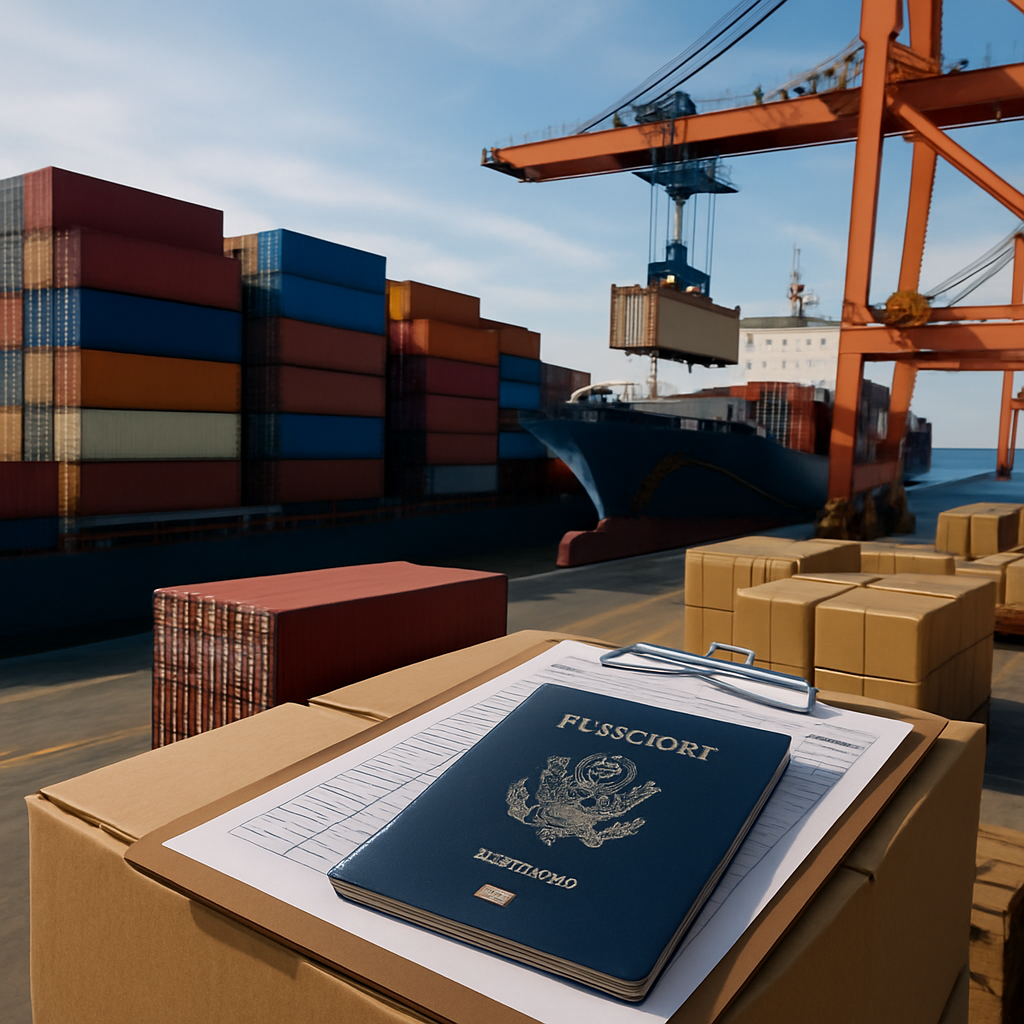
To successfully import goods into the United States for resale or business purposes, commercial importers must understand the comprehensive regulations and requirements established by U.S. Customs and Border Protection (CBP). Navigating these rules is essential for avoiding costly penalties, ensuring regulatory compliance, and streamlining the process from overseas factories to U.S. warehouses. This guide provides clear, actionable information on how to get licensed, meet CBP expectations, and classify products under the Harmonized Tariff Schedule (HTS), so businesses can confidently import goods into the United States.
Understanding U.S. Import Compliance Requirements
Importers must begin by understanding the legal and procedural framework set by CBP. Every product entering the country must comply with all applicable customs laws and standards, whether you are importing commercial goods from China, Europe, or other global sources. Adhering to these requirements not only ensures legal entry of products but also minimizes shipment delays or regulatory hold-ups.
An importer of record must exercise reasonable care to submit accurate data to customs authorities regarding shipments. As described by CBP, this involves verifying product details, values, and ensuring that imported merchandise matches the declared description. Mistakes at this stage can result in additional inspections, fines, or seizure of goods. Importers are responsible for all communications with customs and must be prepared to answer questions or provide support documentation. For comprehensive procedural insight, see the official Importing Into The United States PDF Guide.
Importers should also check for product-specific regulations imposed by partner government agencies like the FDA, EPA, or Department of Transportation. Certain categories such as food, electronics, and vehicles have unique compliance benchmarks that must be met before customs clearance will be granted.
Licensing and Pre-Import Steps for Goods to USA
Securing the right import license and completing preliminary steps is the foundation of compliance. While most basic commercial shipments do not require a general import license, specific product categories — such as alcohol, firearms, or cars over 25 years old — may require special permits or agency approvals for lawful entry.
Business entities must obtain an Importer Number, commonly the IRS business registration or Social Security number, to transact with CBP. Some commodities additionally require advance filings, such as the Prior Notice for food products through the FDA or the LACEY Act reporting for certain plant products.
Importers of record should establish robust internal procedures to collect essential documentation: commercial invoices, packing lists, bills of lading, and applicable certifications. Document retention is vital, as CBP may request records for up to five years following importation.
The importer's compliance assessment process, as detailed in the official guide, involves periodic reviews and the possibility of questionnaires from customs officials. Being proactive with records, operational standards, and internal training will help demonstrate due diligence if selected for assessment.
HTS Code Classification and Duty Calculation
Every imported product must be correctly classified under the Harmonized Tariff Schedule (HTS). The HTS code determines duty rates, eligibility for trade programs, and the applicability of tariffs or import restrictions. Properly assigning HTS numbers is critical to paying correct duty amounts and avoiding misclassification fines.
The classification process starts with identifying the product's material composition, function, and country of origin. Resources such as the U.S. International Trade Commission and official CBP rulings can assist in making accurate classifications. Importers should periodically audit their HTS assignments, especially as regulations are regularly updated.
Incorrect classification can result in enforced penalties and customs complications. Working with licensed customs brokers or trade attorneys is strongly advised if your goods have ambiguous or multi-use descriptions.
- Verify the correct HTS code for each item before shipping.
- Document the rationale for each code in internal compliance files.
- Consult professional resources for updates to the tariff schedule as changes may affect duty rates.
CBP Compliance: Reasonable Care and Required Documentation
Compliance with CBP mandates the application of 'reasonable care,' which involves informed cooperation and proactive compliance from importers of record. This means internal teams must review shipment details, understand regulatory controls, and provide all material information on time. For a video overview of these practical obligations, see the CBP Compliance Explained video.
Essential documents include commercial invoices, shipper's export declarations (if required), arrival notices, and certificates of origin. If importing from regions benefiting from preferential treatment, ensure all certificates and supporting evidence are available for CBP review.
Businesses importing cars, electronics, or high-value goods should be prepared for increased scrutiny. CBP frequently inspects shipments for safety standards, intellectual property rights, and the presence of restricted or prohibited items. Failing to meet these benchmarks can result in seizure and forfeiture of merchandise.
Effective compliance programs focus on regular staff training, up-to-date documentation, and periodic reviews of CBP's published regulations, especially the Green Worldwide Importer's Guide.
Import/Export Cost Management and Foreign Importer Strategies
Understanding and managing costs is essential for profitable importing. Importers must calculate the total landed cost of goods, which includes the value of the shipment, duties, taxes, customs broker fees, and inland delivery expenses. Monitoring current tariff rates and leveraging duty drawback options when goods are re-exported are fundamental cost-saving strategies.
Foreign companies looking to become importers of record should partner with U.S.-based logistics providers or establish a legal U.S. entity. This allows streamlined customs clearance and easier coordination with domestic agencies. Registering for anti-dumping and countervailing duty programs may be necessary depending on the country of origin and type of imported goods.
Online import/export businesses must adhere to the same documentary, HTS code, and compliance standards as traditional firms. E-commerce shipments are often subject to additional scrutiny, especially for consumer goods and electronics sourced from prominent manufacturing hubs like China or India.
By understanding the end-to-end import process, leveraging authoritative resources, and updating compliance programs as regulations shift, commercial importers can confidently bring goods into the United States while meeting all legal and business requirements.