Freight Forwarding Course: Training, Documentation, and Career Pathways in International Logistics
 Import Export
If you are seeking a practical, globally relevant introduction to the world of international shipping, enrolling in a freight forwarding course is the fastest way to understand how goods move across borders and how logistics professionals ensure legal, efficient, and cost-effective delivery. Whether you are exploring industry entry for the first time or looking to formalize your experience with recognized certification, modern freight forwarding training covers everything from documentation requirements to the pivotal job description of a sea import forwarder.
Understanding Freight Documentation and Process Flow in Shipping Operations
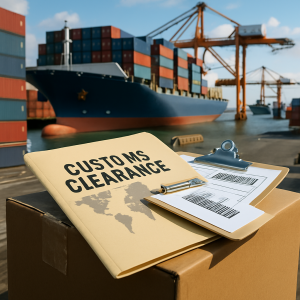
Accurate freight documentation is the cornerstone of every successful shipment. Whether exporting electronics or importing textiles by sea, each transaction draws on standardized paperwork such as bills of lading, commercial invoices, and certificates of origin. These documents do not merely accompany cargo; they function as legal proof of contractual obligations, enable customs clearance, and define risk and liability responsibilities at every handoff point in the logistics chain.
The step-by-step process flow chart of a freight operation often begins with the booking of cargo space, continues through carrier selection and rate negotiation, and proceeds to the meticulous preparation of shipment documents. Industry courses train you to harness these documents and understand nuanced requirements per trade lane or commodity. For instance, hazardous materials require special declarations, while incoterms spell out each party's financial and legal duties.
As courses frequently demonstrate, lapses in documentation or misunderstanding shipment flows can trigger significant delays, fines, or even cargo seizure. A strong education in the operational details of international forwarding not only reduces these risks but establishes you as a trusted link between shippers, carriers, and consignees.
Carrier Selection, Freight Rate Calculation, and the Five Major Roles in Logistics Companies
Carrier selection is far more than simply choosing the cheapest option; professionals must evaluate reliability, route availability, service reputation, and cargo specialization. In every reputable freight forwarding course, students analyze real-world scenarios where the lowest quoted rate might actually result in higher landed costs if late deliveries or hidden surcharges arise. Mastering these calculations is therefore a core function of the forwarder, who must consistently weigh time, cost, and legal compliance.
The five major roles of a freight forwarding company encapsulate much more than just negotiation: operations agents arrange shipments and flows, documentation specialists handle regulatory paperwork, customer service teams guide clients, compliance officers ensure all international rules are followed, and logistics managers oversee end-to-end performance. Each function requires practical expertise, and progressive course modules often simulate these environments for applied problem-solving.
Understanding how these roles work together is critical for anyone aspiring to become a freight forwarding agent or broker. With companies ranging from global multinationals to boutique local firms, having a clear grasp of these interconnected responsibilities sets professionals apart in an industry facing rapid digitalization and heightening compliance demands.
Freight Forwarding Agent Training, Certifications, and Industry Examples
The pathway to a recognized career in international freight usually begins with foundational agent training. Some learners choose free online options, offering introductory exposure to terminology and operations. However, for those seeking a career boost and formal recognition, reputable certifications such as the FIATA Diploma in Freight Forwarding or a ciffa certificate are increasingly valued by employers globally. These credentials serve as a testament to your comprehensive understanding of both theory and on-the-ground requirements.
Real industry examples help contextualize coursework. A sea import forwarder, for instance, may face challenges ranging from sudden vessel rerouting to customs inspections at port. By examining these scenarios in interactive modules, students develop situational awareness and agile problem-solving, both essential skills for smooth international freight movement.
The division between agent and broker also becomes clear through education: agents typically act as direct representatives for shippers, managing all shipment aspects, while brokers may act as intermediaries, sourcing capacity for multiple smaller clients. Understanding where your career interests align with these roles helps chart an effective educational and professional development pathway.
Freight Forwarding Career Outlook, Salary Potential, and Companies Near You
One of the most common questions for newcomers is: what is the typical salary and career progression in international freight forwarding? Entry-level positions such as operations assistants or documentation specialists often command competitive starting pay, especially in major trading hubs. With experience and recognized certification, roles can expand to logistics manager, compliance officer, or even branch director, each with significant earnings potential.
According to leading industry courses such as the FIU Essentials of Freight Forwarding, average salaries in the sector can range from $86,519 to over $103,000 annually, with even higher figures for senior leadership or those managing complex international projects. Companies near you—whether multinational shipping giants or local boutique agents—are actively searching for talent with practical expertise and certification.
As the global supply chain expands and segments like ecommerce continue to drive demand, the interest in well-trained freight forwarders is rising. This means graduates of targeted programs are not only employable but are often in positions to negotiate roles best suited to their expertise, whether focused on sea import shipments, export documentation, or regulatory compliance for complex multi-country loads.
Freight Forwarding in Simple Words: What Beginners Need to Know
For all its complexity and scale, the foundation of freight forwarding comes down to one concept: connecting those who need to move goods with those who can move them efficiently and legally. If you are a beginner, realize that your biggest asset is structured, hands-on knowledge—precisely what a reputable freight forwarding course provides. By breaking down industry jargon into simple words and practical tasks, these courses demystify everything from job descriptions and rate negotiation to the differences between an agent and a broker.
Most important for newcomers is learning the value of clear communication and regulatory awareness. Each shipment is unique, influenced by commodity type, origin, destination, and ever-shifting international laws. Courses that teach compliance-building habits, logical process flow, and the art of managing documentation underpin any sustainable career in this growing field.
- Choosing the Right Course: Start by assessing your experience level. Free online courses may be suitable for beginners, while those seeking promotions or specialization should consider accredited programs like the FIATA Diploma or ciffa certificate. Each path offers different benefits—an introductory course imparts foundational terminology and process flows, whereas formal certification proves your expertise in regulatory and operational complexities to employers.
- Applying New Skills: Success is not only about earning a certificate; it is about translating new skills into action on the job. Effective document handling reduces costs and avoids compliance errors, while negotiation tactics learned in training ensure clients receive the best possible rates and reliable carriers.
Enrolling in a structured training program guarantees you will understand—and master—every step needed to thrive in international freight logistics.